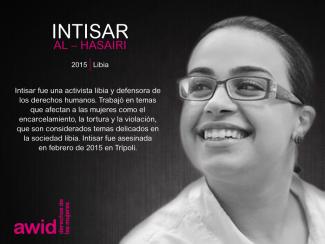
Intisar Al-Hasairi
Esta sección de análisis especial ofrece un análisis feminista crítico y acceso a los recursos clave relacionados con la «protección de la familia» en los espacios internacionales de derechos humanos.
Durante los últimos años, venimos observando una nueva y preocupante tendencia en el ámbito internacional de derechos humanos, donde se están empleando discursos sobre la «protección de la familia» para defender violaciones cometidas contra miembros de la familia, de modo de reforzar y justificar la impunidad y para coartar la igualdad de derechos en el seno de la familia y la vida familiar.
La campaña para «proteger a la familia» es impulsada por proyectos conservadores que tienen como fin imponer interpretaciones «tradicionales» y patriarcales de familia; quitando los derechos de las manos de sus miembros para ponerlos en las de la institución «familia».
Desde 2014 un grupo de estados opera como bloque en espacios de derechos humanos, bajo el nombre «Group of Friends of the Family» [Grupo de amigos de la familia], y a partir de entonces se han aprobado resoluciones sobre la «Protección de la familia» todos los años.
Esta agenda se ha extendido más allá del Consejo de Derechos Humanos (HRC, por sus siglas en inglés). Hemos visto cómo el lenguaje regresivo sobre «la familia» se ha introducido en la Comisión de la Condición Jurídica y Social de las Mujeres (CSW, por sus siglas en inglés), y hemos asistido a intentos por incluir este lenguaje en las negociaciones sobre los Objetivos de Desarrollo Sostenible.
AWID trabaja con asociadxs y aliadxs para resistir conjuntamente las agendas regresivas de «Protección de la familia» y otras, y para defender la universalidad de los derechos humanos.
En respuesta a la creciente influencia de actores regresivos en los espacios de derechos humanos, AWID se ha unido con aliadxs para formar el Observatorio de la Universalidad de los Derechos (OURs, por sus siglas en inglés). OURs es un proyecto colaborativo que monitorea, analiza y comparte información sobre iniciativas anti-derechos tales como la «Protección de la familia».
Derechos en Riesgo, el primer informe de OURs, traza un mapa de los actores que conforman el cabildeo global anti-derechos e identifica sus discursos y estrategias principales, señalando los efectos que estos discursos y estrategias están teniendo sobre nuestros derechos humanos.
El informe expone a la «Protección de la familia» como una agenda que ha promovido la colaboración entre una amplia gama de actores regresivos en las Naciones Unidas. La describe como un marco estratégico que aloja «múltiples posiciones patriarcales y anti-derechos, cuyo marco, a su vez, apunta a justificar e institucionalizar estas posiciones».
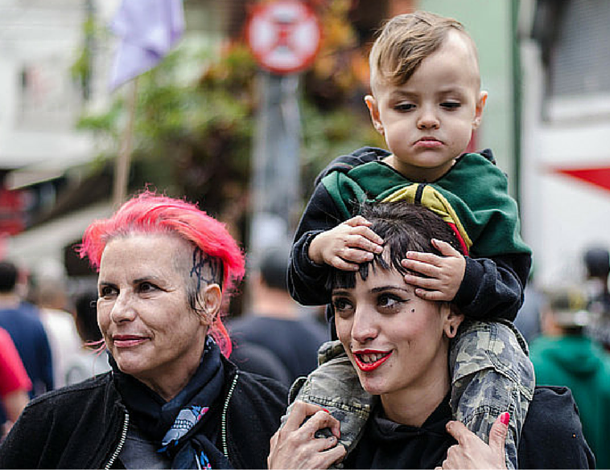
Par le biais de l'organisation syndicale, Sopo, Sabrina et Linda se battent non seulement pour les droits des femmes, des travailleur·euses essentiel·les, des travailleur·euses migrant·e·s et des travailleur·euses du sexe, mais pour les droits de tous·tes les travailleur·euses .
La lutte pour mettre fin à l'exploitation des travailleur·euses est une lutte féministe. C’est pourquoi il n’y a pas d’économies féministes sans syndicats féministes.
par Nandini Tanya Lallmon
Olajumoke « Jay » Abdullahi et Kym Oliver sont des féministes révolutionnaires à plus d'un titre. (...)
illustration : « Éclose » de Titash Sen >
As we navigate the global polycrisis, movements are tirelessly building power beyond traditional power structures. The wave of US presidential executive orders is intended to scare us, but no amount of fascist ideology can erase our existence and resistance.
We invite you to be a part of the solidarity-building campaign to expose and resist fascist forces undermining feminist and gender justice movements in your contexts!
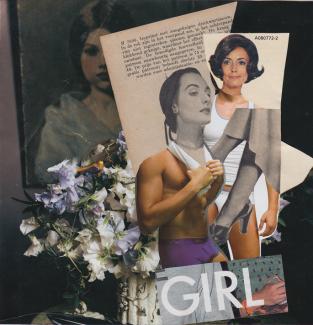
Bunga ou fleur en francais est un symbole qui est souvent associé aux femmes en Indonésie. Ce qui signifie qu'une fleur peut également être associée aux femmes transgenres. Parce que les femmes transgenres sont des femmes. Aussi belles, aussi fortes, l’une comme l’autre a vécu sans attendre d'être "cueillie", mais en grandissant, en s'épanouissant et en mourant à sa guise. Cette œuvre est un hommage à mes ami·e·s transgenres à l'occasion de la Journée Internationale de la Visibilité des Personnes Transgenres.
Even in times of climate crisis, governments continue to encourage large-scale agriculture industries to expand. These activities poison the land, threaten biodiversity, and destroy local food production and livelihoods. Meanwhile, while women produce the majority of our food in the world, they own almost none of the land.
What if we perceived land and Nature not as private property to exploit, but as a whole to live in, learn from, and harmoniously coexist with? What if we repaired our relationships with the land and embraced more sustainable alternatives that nurture both the planet and its communities?
Nous Sommes la Solution (We Are the Solution, NSS) is one of many women-led movements striving to do this. This is their story.
by Alejandra Laprea
I live in a country of the impossible, where there are no bombs yet we are living in a war. (...)
artwork: “Entretejidas” [Interwoven women] by Surmercé >
✉️ By registration only. Register here
📅 Tuesday, March 11, 2025
🕒 6.00-8.00pm EST
🏢 Chef's Kitchen Loft with Terrace, 216 East 45th St 13th Floor New York
Organizer: AWID
While fundamentalisms, fascisms and other systems of oppression shapeshift and find new tactics and strategies to consolidate power and influence, feminist movements continue to persevere and celebrate gains nationally and The rising power of anti-rights actors is not happening in a vacuum. Understanding the rise of ultra-nationalism, unchecked corporate power, growing repression, and diminishing civic space is key to contextualize the anti-rights threats we face today.
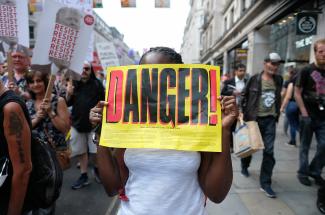
Today, considerably more than half of the world’s population is governed by far-right leaders. Against this backdrop, human rights defenders and feminists are working hard to “hold the line” and protect multilateralism and the international human rights system. They also face the risk that their engagement may bring with it violent reprisals. At the same time, these institutions are increasingly subject to private sector interests. Large businesses, particularly transnational corporations, are occupying seats at the negotiating table and leadership positions in a number of multilateral institutions, including the UN. This nexus of ultra-nationalism, closing civic space, and corporate capture is having a tremendous impact on whether human rights for all can ever be achieved.
por Sophia Armen
Guste o no, lxs férrexs ungerhouis han sido parte esencial de nuestras historias de resistencia y están aquí para quedarse. (...)
.