Supporting feminist, women’s rights and gender justice movements to thrive, to be a driving force in challenging systems of oppression, and to co-create feminist realities.
While we dream of a feminist world, there are those who are already building and living it. These are our Feminist Realities!
What are Feminist Realities?
Feminist Realities are the living, breathing examples of the just world we are co-creating. They exist now, in the many ways we live, struggle and build our lives.
Feminist Realities go beyond resisting oppressive systems to show us what a world without domination, exploitation and supremacy look like.
These are the narratives we want to unearth, share and amplify throughout this Feminist Realities journey.
Transforming Visions into Lived Experiences
Through this initiative, we:
Create and amplify alternatives: We co-create art and creative expressions that center and celebrate the hope, optimism, healing and radical imagination that feminist realities inspire.
Build knowledge: We document, demonstrate & disseminate methodologies that will help identify the feminist realities in our diverse communities.
Advance feminist agendas: We expand and deepen our collective thinking and organizing to advance just solutions and systems that embody feminist values and visions.
Mobilize solidarity actions: We engage feminist, women’s rights and gender justice movements and allies in sharing, exchanging and jointly creating feminist realities, narratives and proposals at the 14th AWID International Forum.
The AWID International Forum
As much as we emphasize the process leading up to, and beyond, the four-day Forum, the event itself is an important part of where the magic happens, thanks to the unique energy and opportunity that comes with bringing people together.
We expect the next Forum to:
Build the power of Feminist Realities, by naming, celebrating, amplifying and contributing to build momentum around experiences and propositions that shine light on what is possible and feed our collective imaginations
Replenish wells of hope and energy as much needed fuel for rights and justice activism and resilience
Strengthen connectivity, reciprocity and solidarity across the diversity of feminist movements and with other rights and justice-oriented movements
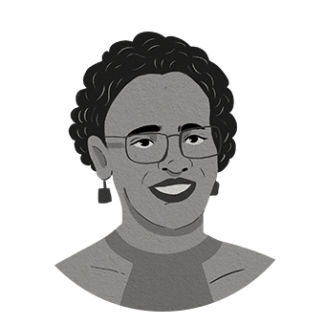
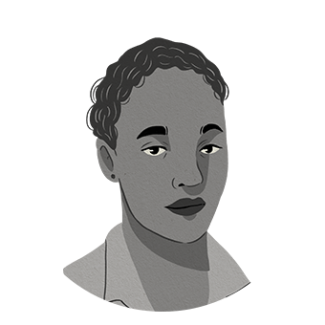
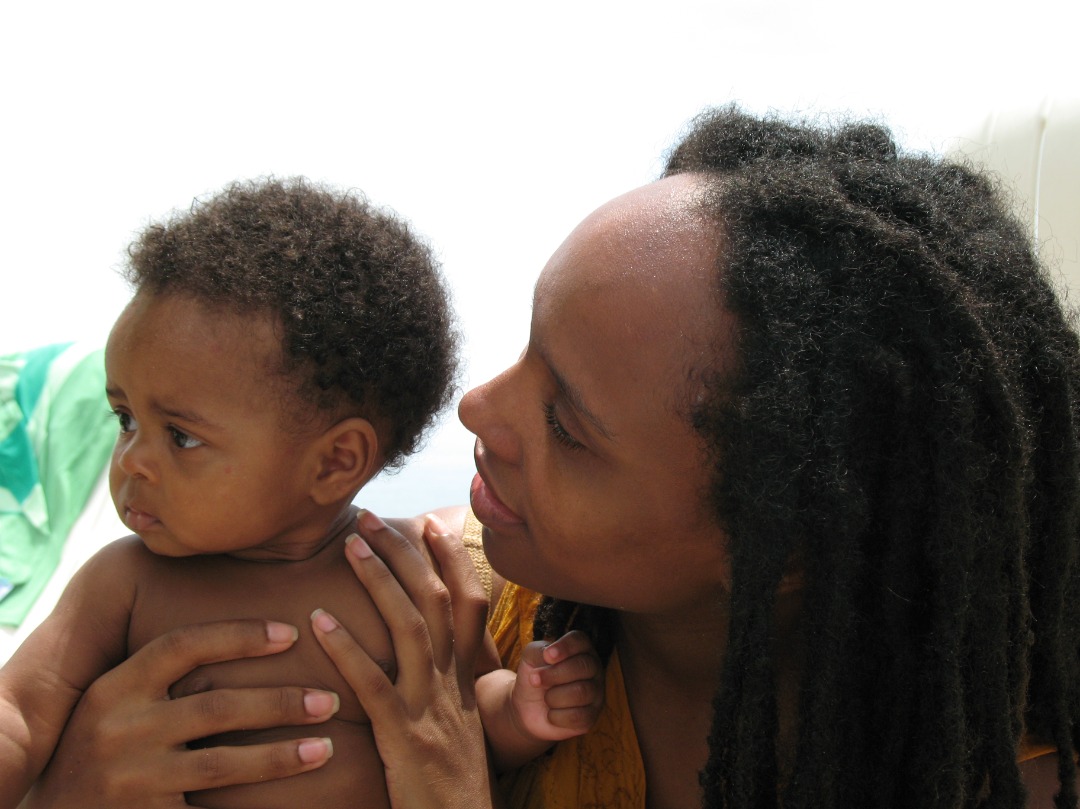
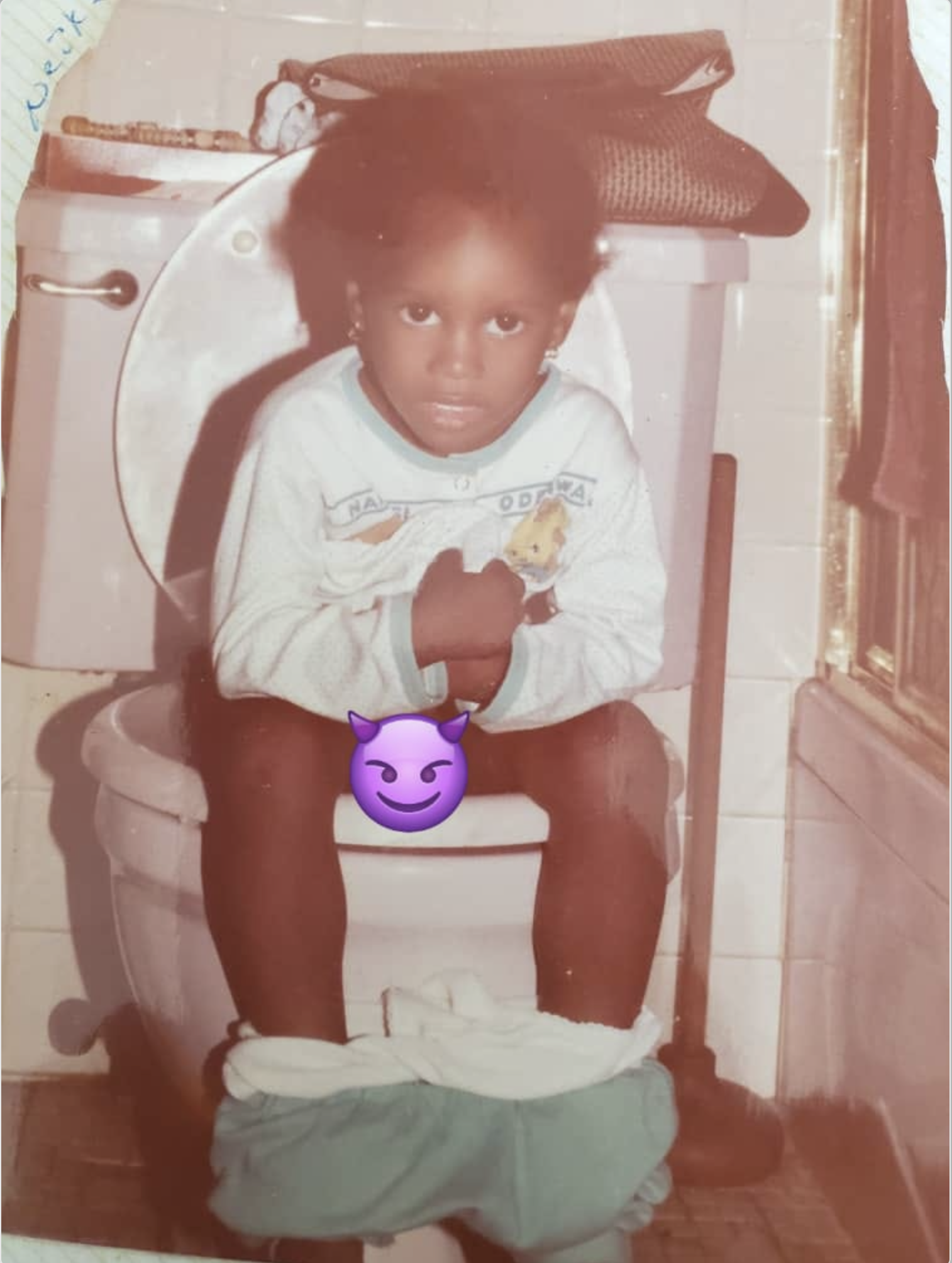
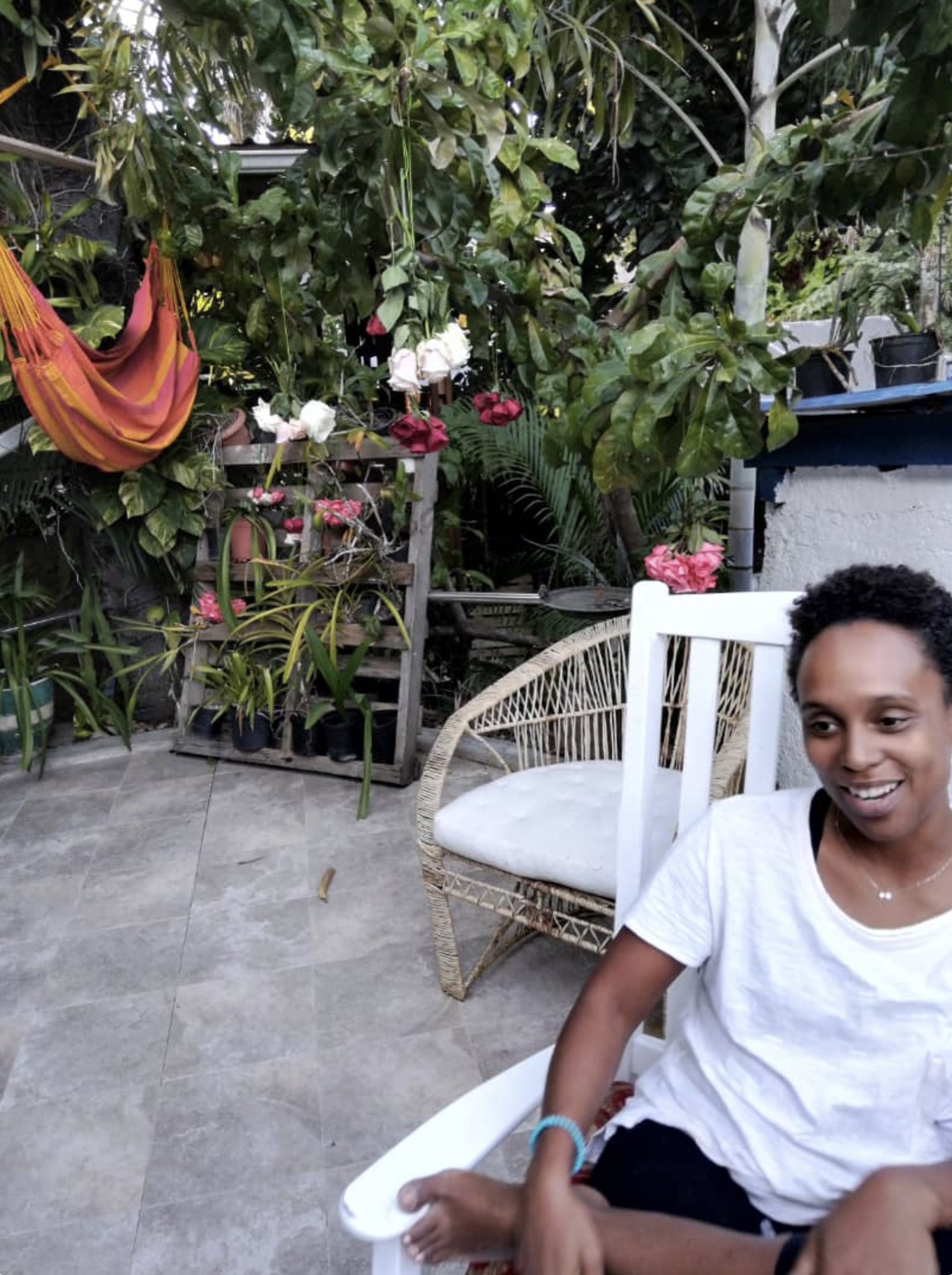
Yannia Sofía Garzón Valencia I am a Black woman and a community weaver. I live in Santander de Quilichao in Cauca, Colombia. I am interested in the creative processes that organize sustainable collective life. I like exchanging thoughts and cooking, investigating and analyzing, planting seeds and learning from plants, reading and playing. I am currently coordinating the observatory of gender-based violence against afro-descendant communities in Colombia (@VigiaAfro).
The three of us were “sharing” the afternoon in a neighborhood south of Bogota.
There was an unusually large green playing area and we sat on little wooden stools under an elderberry tree. We were finally experiencing that other form of love – that pleasure of being together and listening to each other. For me, these kinds of chats are among the expressions of love that life had only recently allowed me to enjoy. I had not known this other form of love – the kinds found outside workshops, activist spaces, classrooms, or workplaces – to be possible. Yet we three friends spent the afternoon amongst ourselves and we did not pretend to be blind to the color of our respective skins. Rather, it was a lived factor that allowed us to intimately discuss the similarities and differences in our childhood and youthful experiences.
Those chats were unrelated to any upcoming activities of the Black movement in Colombia, but they still nourish me and acquire new meanings. Our closeness was woven through coming together, recognizing each other, and identifying the uniqueness of our liberations. And by realizing there is not just one but many paths to liberation – those paths we inhabited every time we said “no” and rebelled. Far from feeling discomfort, we met in an authenticity made of weakness and strength, one which brought us closer instead of separating us.
Our purpose on that beautiful afternoon was to just be – to have an awareness of simply being amongst ourselves. We walked through our pasts so that the memories that stayed with us were those we decided to keep as ours, and not those that fear let through and found a place for. We remembered exact fragments of TV shows, and sang songs written by artists who had taught us about loving well, hating well, cursing like the worst villain, and suffering like the best leading lady.
We told each other about our school pranks, and what remained in our subconscious after being exposed to the many ways the media repeats the same thing – after the teachers and nuns at school overexposed us to stories so that we would identify with and appropriate Cinderella’s aspirations for our own lives. This would set the tone for the rest of our story: the drama of the impoverished and diminished girl who is yet to achieve her full value through an act that redeems her condition. And that act can only be brought about by the gaze of a male who, at the very least, is white, hence deserving of what is between our thighs – his “main aspiration” – and the “perfect realization of our dreams,” which we are told should then be our main aspiration.
There were three of us there that afternoon. Each had been brought up in a different part of the country, but it was fascinating that we could all still quote fragments and situations from songs and soap operas that often – as we realized by getting to know each other – shared codes or symbols that were replicated, with a few variations, in our homes, in our first relationships, and in our neighborhoods and schools. Brought up by “dramas” (is that what that very successful genre is called?) where the more you suffer, the more you deserve, the issue of “how and in which situations it is acceptable and legitimate to suffer” becomes an important mandate on how the person who suffers should be seen, what they should do, and whom they should be. Some of us managed to liberate ourselves and “learn” a definition of love that could only be learnt in adulthood, shattering illusions, and accepting natural sin. And becoming aware of the industrial production of a virgin, which we may refuse to look like as she has no place in our understanding, and the disappointment this alienation brings.
After singing, we reviewed our early sexual explorations. I never thought that most people experienced them before the age of nine and that even in adulthood, those experiences, those memories, remain a heavy burden. Even today, in thousands of places, millions of girls and boys see their innocence curtailed by lack of trust and the ignorance we present them with when they try to explore their bodies. Blaming curiosity is a most efficient control mechanism. We went back to the brief conversations we had when we changed the history of our lives from cursed Black beings to a perspective that rebirthed us. We remembered how many of our aunts and female cousins left their homes, their core, their roots, to seek a future outside, elsewhere.
The future comes with a price: it demands that those relationships that marked our childhood are reshaped and confined to oblivion. They are our foundations, but they are not relevant if we want to move ahead. For us, advancing was to learn by heart what we do to ourselves with the opportunities we find elsewhere. That it is elsewhere, and not within us, that opportunities lie, that we are available, that we need to be outside. However, for many of our aunts and female cousins, the few opportunities to enroll and stay in an evening class or take a sabbatical from domestic work were paid for by becoming the first sexual experience of relatives living in the future. A future for which others before them had also paid for, and whose price they had already forgotten. The demand for this payment arrived with the same inevitability as a public utility service bill. We will not take up that legacy.
In Colombia and Latin America, there was an etiquette manual called La urbanidad de Carreño (Carreño’s Etiquette Manual). It was mandatory reading until the 90s in both public and private schools. The manual conditioned how bodies were perceived and my mother, taken in and brought up by Carmelite nuns, knew it by heart. The first time I read it I had to stop more than once to rub my stomach, which hurt from laughing so much. It has ridiculous instructions such as: take a shower with your eyes closed and turn off the lights to wear your nightclothes. Different chapters address how one is to behave at home, in the street, and during a dinner or lunch party – in short, the norms of good taste and etiquette. The ethical core of good citizens was the urbanity that allowed one to distance oneself from rural life. The same manual indicated that shouting a greeting to an acquaintance on the other side of the street was indecorous; good manners dictate that you must cross the street. By the same token, men must remove their coats and place them over puddles of water if accompanying a woman whose shoes should not get wet. I thought about greeting someone across a river, and how it is so hot where we live that we don’t require coats.
"She learned that to care for her belly, she needed to keep her tissues warm, to avoid the cold that comes through the soft spot on the top of the head, through the feet, the ears, so it would not hurt particularly at moontime. For that, you need to be careful about what you eat and what you don’t eat, how you dress and how you walk, as all that has to do with girls’ health. The woman elder says that, from her devoted grandfather, she learnt that cramps became more common when houses no longer had floors made of mud and/or wood. When concrete and tiles came, when the material making up the house allowed the cold to come in through the feet, tension also grew in the belly tissue."
The manual’s author, Mr. Carreño is the opposite of the grandfather of a woman elder born in Turbo. She told me once that her grandfather was a wise man, that he told her about birthing and how to take care of her body. She learned that to care for her belly, she needed to keep her tissues warm, to avoid the cold that comes through the soft spot on the top of the head, through the feet, the ears, so it would not hurt, particularly at moontime. For that, you need to be careful about what you eat, how you dress, and how you walk, as all that has to do with a girl’s health. The woman elder said that, from her devoted grandfather, she learnt that cramps became more common when houses no longer had floors made of mud and/or wood. When concrete and tiles came, when the material making up the house allowed the cold to come in through the feet, tensions in the belly tissue also grew.
Surprised again. Such a distance between Don Carreño and the wise grandfather in terms of being aware of life – as distant as the mandates of proper behavior that stifle your impulses and senses, even the most common sense that values health. At that moment, I was able to understand one of the many ways that concrete obstructs the earth’s breathing, and our own as part of her. I had not realized there was, and still is, the architecture and materials for taking care of our bodies. In Colombia, as well as in other countries, the materials used to make houses are taken as indicators of multidimensional poverty. A house built with concrete moves the home away from being considered poor. This is just one disappointing example of how progress pushes us to abandon the relationship between our environment and our body. Good taste and urbanity pushes us outside: to move forward, they lie, you have to go out there.
It bothered us to realize that neither our mothers nor fathers had spoken to us about menstruation, except when the brown stain had already smeared our knickers. They failed to preserve us from the shame that was supposed to be a natural feeling once menstruation had come. Along with menstruation came the belly cramps often endured in silence, because there was work to be done; some cramps were due to cysts, hematomas, or fibroids that killed the grandmothers who had discovered and forgotten the healing treatments, and then were forgotten themselves. That our mothers and fathers’ breaths turned colder and colder, but the Outside froze familiarity and, instead of warming our bellies, passed judgment with advice similar to warnings of the only thing men care about. This was applied to all men – legitimizing the plundering role of the phallus, as if its only option was to take what we have between our legs. The multiple versions of that truth were replaced by an unmovable and deeply-set naturalization: telling all women that we must preserve ourselves for one of them, for the one that will first introduce his penis inside us, for the one that will give us something in exchange, and that we are women only because we aspire to and let him put it inside us. As a girl I explored little penises and clitorises and, in between games among girls, the question was whispered: whose turn is it to play man and whose turn is it to play woman? And the answer: the beginnings of little orgasms, regardless of with whom. I guess the same must happen among male bodies.
The experiences and explorations of our aunts, female cousins, and acquaintances focused on the body and its nudity as taboo. They avoided expressing and naming it, to the point of covering it up, assigning new names to its excreting, expelling, procreating, and, just for us women, its receiving functions. Once I heard a woman elder in a workshop say that when she was living with her grandmother, her memory was of this old woman sleeping with one eye open, the other closed, and a rifle by the mattress. The softest night sound was enough for her to grab the rifle and aim. This is a common situation in the Colombian Pacific, where some harmful behaviors are normalized. Married and single men who like a young woman would enter her room at night – we call it gateada. It was a risk: if those with authority in the home realized what was happening, abuse or not, the man could be hurt or even killed.
This practice of taking the law into one’s own hands has failed to put an end to gateadas, even today. In that same workshop – as I kept telling my sisters – other participants said that neither they nor their mothers would leave their daughters alone with their fathers at bath time, unless the girls were wearing underwear. I remembered then my father’s voice saying, when I was seven, your mother never let me bathe you. After sharing this, another woman responded that, in contrast, her father would give her a bath naked in the courtyard of her childhood home until she turned seven, and then her eldest brother did it until she turned nine. She never felt anything strange in the way they looked at her; for them, it was just another task in caring for the most spoiled child in the home. She remembered being seen for what she was: a daughter child, a sister child, who did not like the water.
Once again childhoods, yesterday and today. We were surprised by that story, and it comforted us. Even I had seen things being different elsewhere; my daughter’s father bathed her in the tub until she was almost two. Even before turning two, he would give her a few soft slaps upwards on her bum, to make it bigger, as he said. Here, we could also speak of other dimensions of how we construct our bodies, but that is a different story. For me, it was one care task, among many, that we agreed to divide between ourselves before the baby was born. And the decision to not see every man as a lurking rapist does not mean they are not rapists, but instead that they can stop being so. There are also men and male bodies that have been brought up to never be rapists.
This is still happening. It happened to a friend of ours and to my own daughter. I thought: how can it be that some women are coupled with men they cannot trust to care for their daughters? I am sure that my mum loved my dad. And even though we seldom speak about the woman she was before becoming my mum, I know her experiences of abuse cannot be compared to the brutality and over-tolerance of those of today. But that is still a decision many women in many places make, and that leads to other questions. How often, how repeated were cases of abuse in our extended families to make women openly, or in indiscernible ways, forbid their partners from bathing their daughters? Is it related to the media overexposure we are subject to almost from birth? What makes family ties blur and turn into just bodily-satisfaction exchanges? Is it the proximity to urban values that cares so much about the right shapes of female bodies as objects of desire, and pushes male bodies to behave like owners and conquerors, fulfilling the mandate to mimic media representations so they feel safe in their identity? Is it concrete and other codes, like the Carreño etiquette, that sustain it? Is it encouraged by the need to forget certain relationships as the price of progress, that insistence on “doing for the outside?” What happens to what we learned in our times, those of us who, in secret or not, undertook sexual explorations as children? Were they erased by guilt? Were they the seeds of mistrust and shame in nudity? Were they the seeds of mistrust and shame of being inside oneself? Indeed, aren’t these learnings possibilities to trust in, understand the nudity of bodies as part of respecting oneself and others? These questions emerge in trusted spaces, where the fear to say what one thinks and feels is driven away by the intention of accompaniment. I imagine how many of us there are in all corners of this planet and I am certain these are not new questions, that messages in them are repeated, and that we find ourselves living the answers.
ExploreTransnational Embodiments
This journal edition in partnership with Kohl: a Journal for Body and Gender Research, will explore feminist solutions, proposals and realities for transforming our current world, our bodies and our sexualities.
نصدر النسخة هذه من المجلة بالشراكة مع «كحل: مجلة لأبحاث الجسد والجندر»، وسنستكشف عبرها الحلول والاقتراحات وأنواع الواقع النسوية لتغيير عالمنا الحالي وكذلك أجسادنا وجنسانياتنا.
📅 Wednesday, March 12, 2025
🕒 5.00-7.00pm EST
🏢 Chef's Kitchen Loft with Terrace, 216 East 45th St 13th Floor New York
Organizers: Women Enabled International and AWID
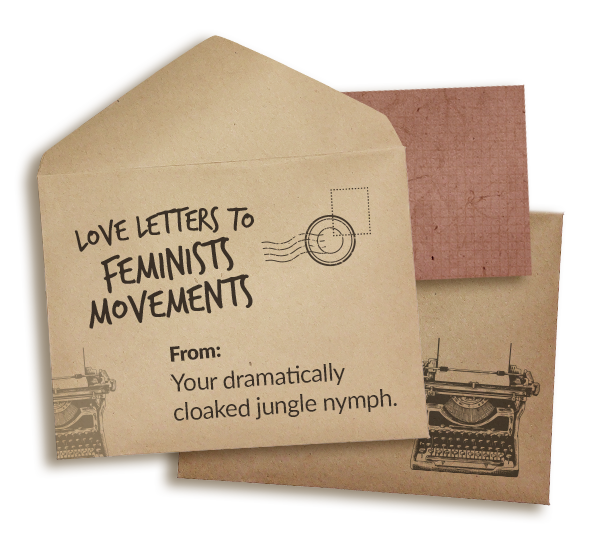
Love letter to Feminist Movements #1
Dear gorgeous beings,
I know you are so close. You can feel it can't you? How things need to shift and you need to centre yourself.
This is a letter to tell you to do it. Choose your healing. Choose to be OK. Better than OK. Choose to be whole, to be happy. To cry tears for yourself and no one else. Choose to shut out the world and tell them that 'you will be back in 5 mins'. Or five days. Or five years.
Or never.
Choose to not take it all on. Choose to take none of it on. Because none of it is yours. It was never yours. They told you since you were born that it was yours. Your family's problems. Your lovers' problems. Your neighbours' problems. The globe's problems. The constant whisper that these problems belong to you. They are yours. Yours to hold, yours to shoulder. Yours to fix.
That was a lie.
A bamboozle
A long con.
A scam.
The problems of the universe are not yours.
The only problems that are yours are your own. Everyone else can take a hike.
Allow yourself to drop everything and sprint off into the jungle. Befriend a daisy clad nymph, start a small library in the roots of a tree. Dance naked and howl at the moonlight. Converse with Oshun at the river bed.
Or simply drink a cup of tea when you need to take a moment to breathe.
Give yourself permission to disappear into the mist and reappear three countries over as a mysterious chocolatier with a sketchy past and penchant for dramatic cloaks and cigars.
Or stop answering work calls on weekends.
Let yourself swim to deserted island with a lover and dress only in the coconut shells from coconut rum that you make and sip at sunset.
Or say no when you don't have the capacity to create space for someone.
The options for holding yourself are endless.
Whatever you do, know the world will always keep spinning. That's the beauty and the pain of it. No matter who or what you choose over yourself and your soul the world will always keep spinning.
Therefore, choose you.
In the morning when that first light hits, choose you. When it’s lunchtime and it’s time to cry on company time, choose you. In the evening, when you are warming up leftovers because you didn’t have time to cook again, choose you. When anxiety wakes you up and existence is silent at 3:45 am.
Choose you.
Because the world will always keep twirling on a tilt and you deserve to have someone always trying to make it right side up for you.
If the positions advertised have closed, or just don’t match your area of interest and expertise, we suggest the following resources for your job search.
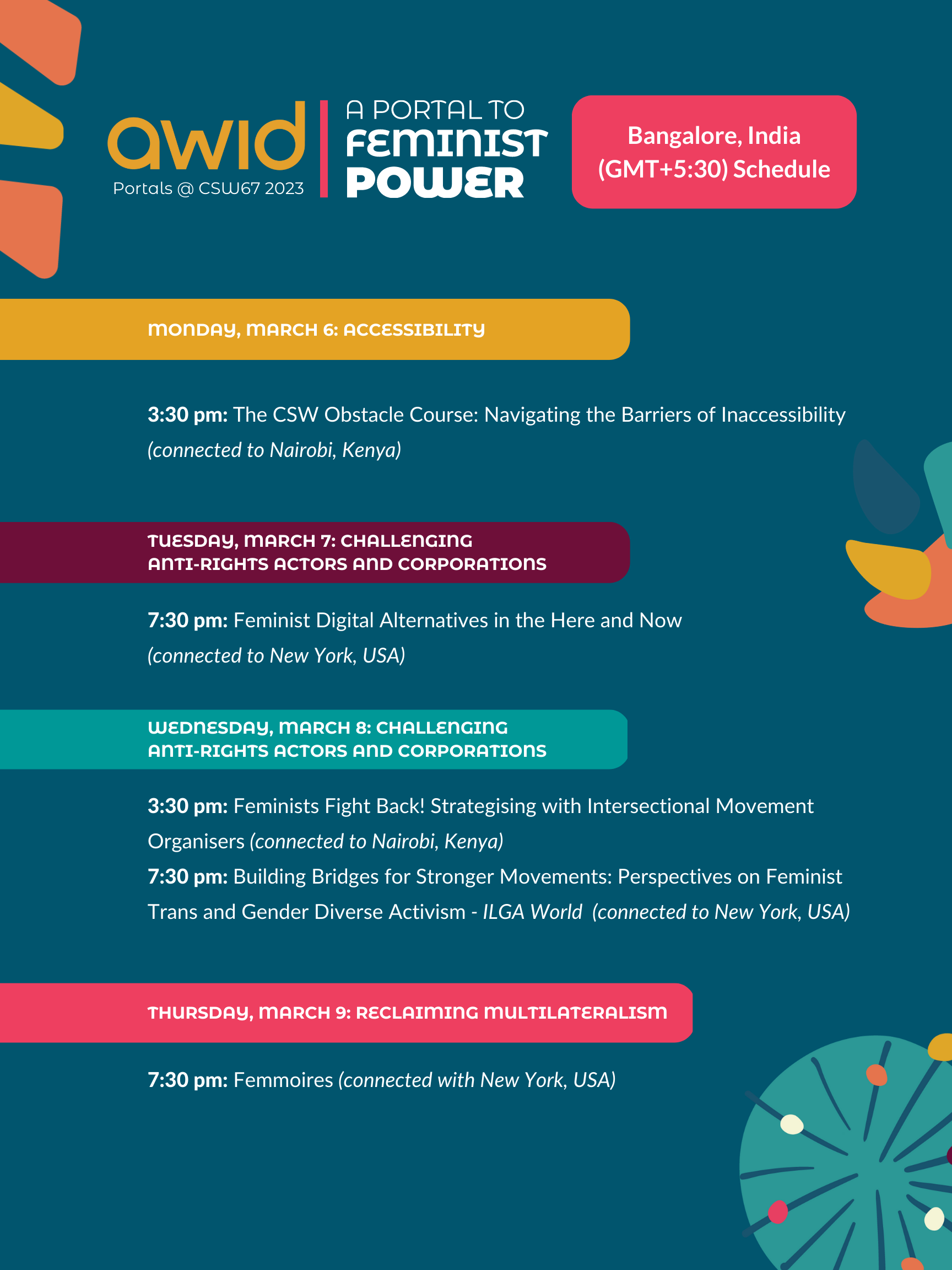
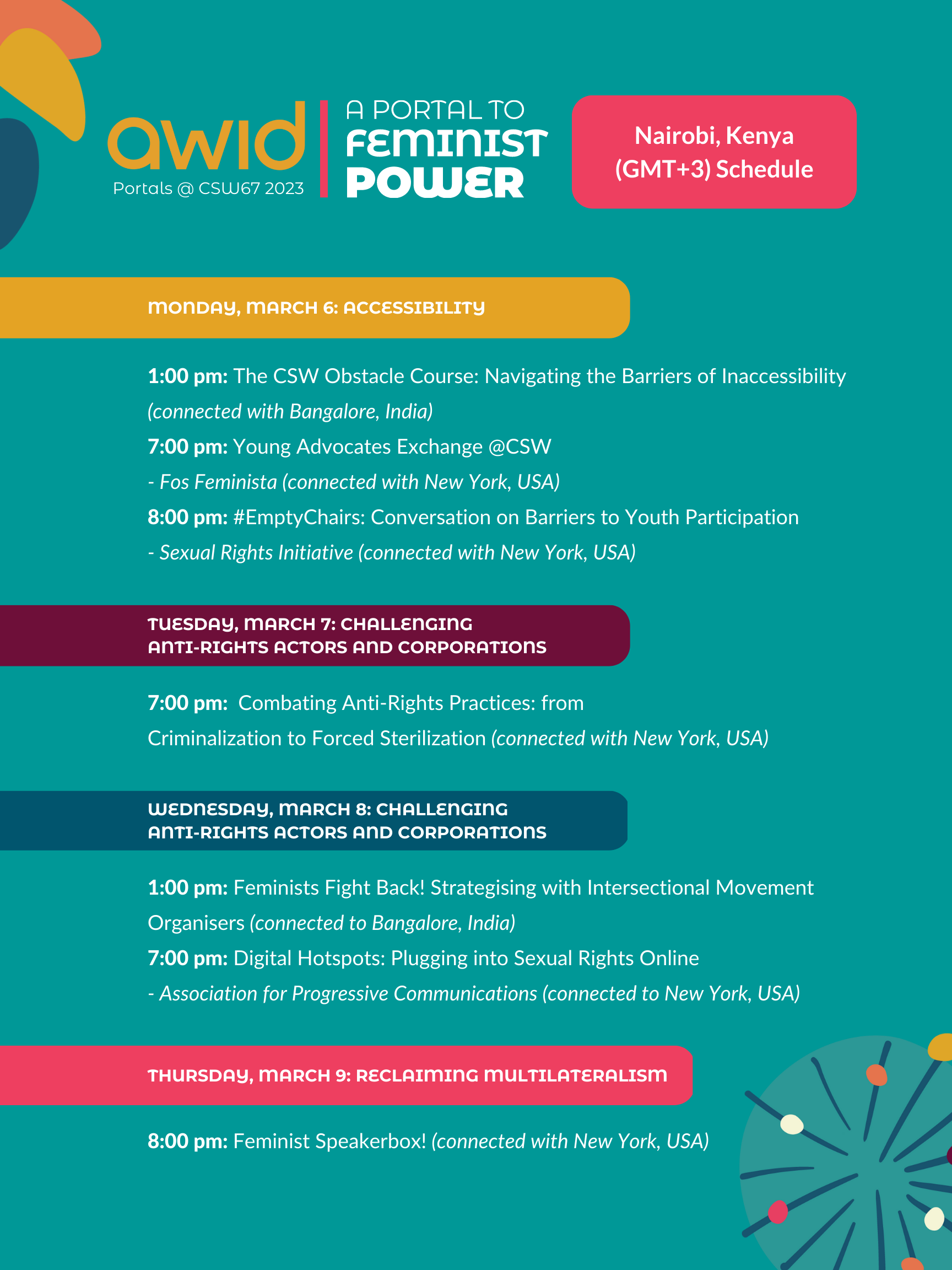
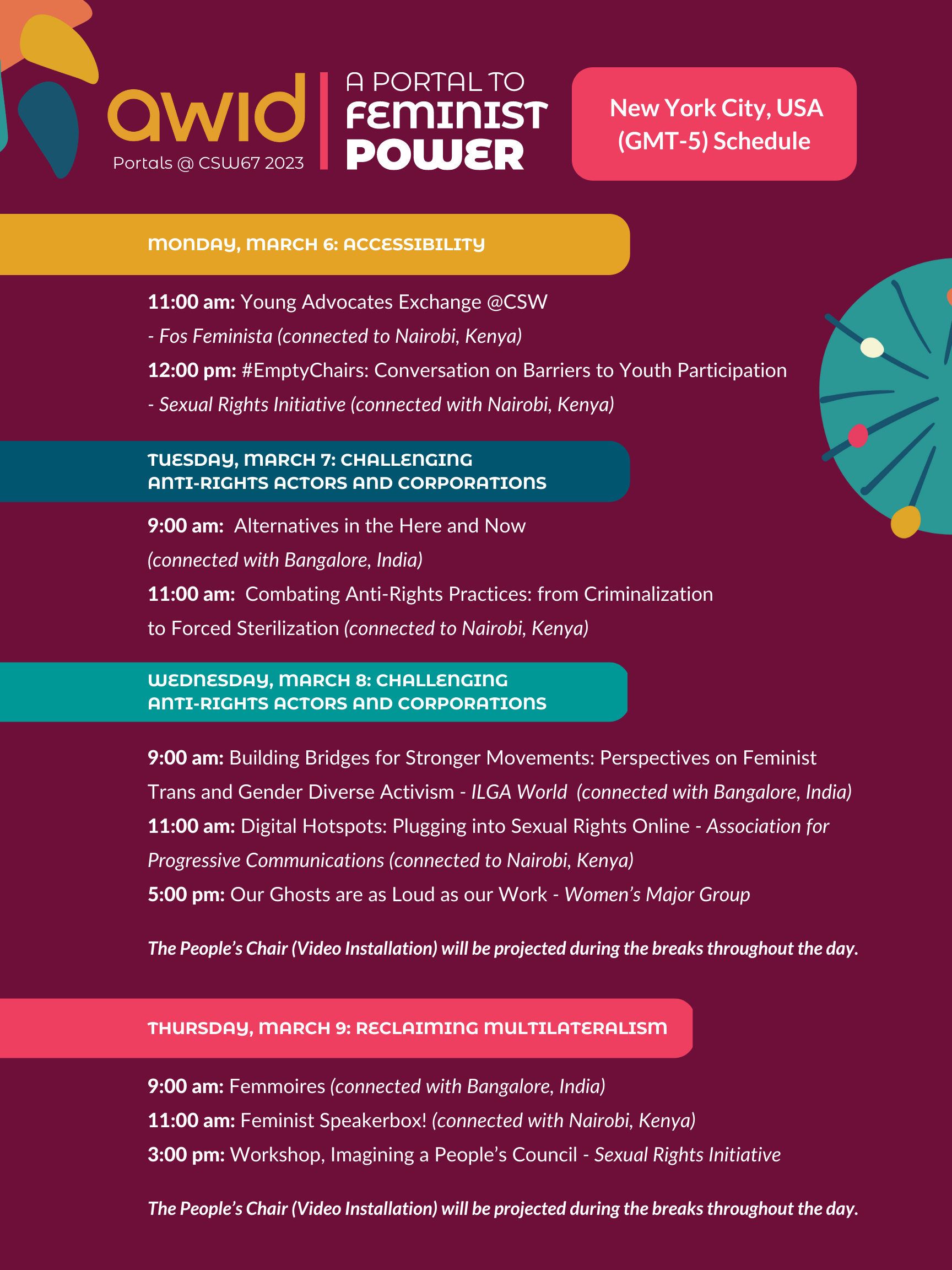
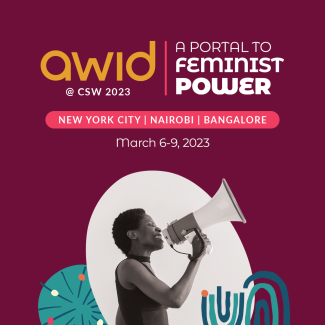
AWID at CSW67: a Portal to Feminist Power
Imagine opening a door which takes you into a conversation with feminist activists in other continents. This portal will transcend the barriers of UN CSW by pushing beyond language barriers, unaffordable travel, unequal protection from COVID19, and racist visa regimes.
This week, we’re putting a virtual spin on CSW by connecting and amplifying feminist activists' voices, to challenge the discriminatory barriers that limit participation and influence. By setting up connecting “portals” in New York City, Nairobi & Bangalore, we'll host a physical-virtual hybrid space for feminists to connect their struggles and build collective power.
Search for funders based on their requirements for groups to be registered.
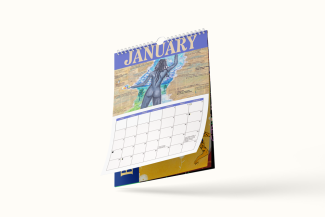
The 2026 AWID Feminist Calendar
Consider this calendar a gift, one that goes out to you and 9,500 members of our global feminist community. A gift of hope, renewed connection, action and community in a time of immense injustice and violence.
Let its stories remind you that across borders and struggles, we are many, we are powerful, and together we are building the worlds we deserve.
Organizing creatively, facing an increasing threat
Young feminist activists play a critical role in women’s rights organizations and movements worldwide by bringing up new issues that feminists face today. Their strength, creativity and adaptability are vital to the sustainability of feminist organizing.
At the same time, they face specific impediments to their activism such as limited access to funding and support, lack of capacity-building opportunities, and a significant increase of attacks on young women human rights defenders. This creates a lack of visibility that makes more difficult their inclusion and effective participation within women’s rights movements.
A multigenerational approach
AWID’s young feminist activism program was created to make sure the voices of young women are heard and reflected in feminist discourse. We want to ensure that young feminists have better access to funding, capacity-building opportunities and international processes. In addition to supporting young feminists directly, we are also working with women’s rights activists of all ages on practical models and strategies for effective multigenerational organizing.
Our Actions
We want young feminist activists to play a role in decision-making affecting their rights by:
Fostering community and sharing information through the Young Feminist Wire. Recognizing the importance of online media for the work of young feminists, our team launched the Young Feminist Wire in May 2010 to share information, build capacity through online webinars and e-discussions, and encourage community building.
Researching and building knowledge on young feminist activism, to increase the visibility and impact of young feminist activism within and across women’s rights movements and other key actors such as donors.
Promoting more effective multigenerational organizing, exploring better ways to work together.
Supporting young feminists to engage in global development processes such as those within the United Nations
Collaboration across all of AWID’s priority areas, including the Forum, to ensure young feminists’ key contributions, perspectives, needs and activism are reflected in debates, policies and programs affecting them.
« Andaiye » signifie « une fille revient à la maison » en swahili. Née Sandra Williams le 11 septembre 1942 à Georgetown, Guyane, Andaiye adopte ce nouveau nom en 1970 alors que le mouvement des Black Panthers balaie son pays et toute la région des Caraïbes.
Perçue comme une figure transformatrice sur les fronts de la lutte pour la libération et pour la liberté, Andaiye a été l’une des premières membres de l’Alliance du peuple travailleur (WPA), un parti socialiste en Guyane de lutte contre le régime autoritaire et participait activement à sa direction. Tout au long de sa vie, Andaiye a placé la justice pour la classe ouvrière et les droits des femmes vivant en milieu rural au centre de son action militante, et s’est battue pour l’élimination des obstacles ethniques entre les femmes indo-guyaniennes et celles afro-guyaniennes.
Andaiye fut l’une des membres fondatrices des Red Thread Women, une organisation de défense pour la juste rémunération du travail en soins réalisé par les femmes, en plus d’avoir travaillé à l’Université des Indes occidentales et avec l’organisation CARICOM. N’hésitant jamais à défier les gouvernements, elle a pointé du doigt les déséquilibres en matière de genre dans les conseils de l’État, les lois discriminatoires à l’égard des travailleur·euse·s du sexe, réclamé le droit à l’avortement en Jamaïque et s’est érigée contre les accords commerciaux, tels que le Marché unique des Caraïbes (CSME) qui permettait la libre circulation des travailleuses domestiques migrantes mais n’octroyait pas ce même droit à leurs enfants.
Elle a publié plusieurs essais universitaires, rédigé des articles d’opinion et révisé les derniers ouvrages de Walter Rodney, l’activiste politique guyanien et coleader du WPA assassiné en 1980. Survivante du cancer, Andaiye a été l’une des fondatrices de la Ligue guyanienne contre le cancer et du Groupe d’action des survivant·e·s du cancer. Elle a également siégé au conseil exécutif de l’Association caribéenne pour la recherche et l’action féministes (CAFRA), dirigé le Help and Shelter et été membre du conseil de la Commission nationale guyanienne pour les femmes. Elle a par ailleurs reçu de nombreux prix, dont le prestigieux Golden Arrow of Achievement (quatrième prix le plus important du Guyana).
Andaiye est décédée le 31 mai 2019, à l’âge de 77 ans. Les nombreux hommages que lui ont rendus des activistes, ami·e·s et celles et ceux que sa vie aura inspiré·e·s ont parlé avec éloquence de son incroyable héritage et de la grandeur de son humanité.
En voici quelques-uns :
“« Andaiye m’a profondément marquée... elle représenttait tellement de choses pour moi : une éducatrice, une combattante, elle m’a appris l’autocritique, à réfléchir plus clairement, elle m’a enseigné la survie, ce qu’est le courage sans limite, la compassion, à dépasser les apparences et traiter les gens comme des gens, sans se laisser impressionner par le statut, la classe, la race... rien de tout ça. » Peggy Antrobus, activiste féministe, auteure, universitaire, La Barbade
« Le genre d’idéalisme confiant que démontrait Andaiye, cette disposition à affronter le monde et une croyance tenace qu’on pouvait vraiment le changer... Cette politique de l’espoir... Comment honorer sa vie, son héritage et sa mémoire autrement qu’en poursuivant le travail éthiquement et en continuant à s’autocritiquer? Et de faire en sorte de placer le travail de soins des femmes au centre. » - Tonya Haynes, La Barbade
« Je peux l’entendre se moquer de notre engouement collectif. Donc, je ris tout en pleurant. Chapeau bas, chère Andaiye, et merci pour tout. Que le voyage de ton esprit soit aimant et lumineux. Passe le bonjour à Walter et aux ancêtres. » - Carol Narcisse, La Jamaïque
Fornecer a membres da AWID, parceires do movimento e financiadores uma análise atualizada, robusta, baseada em fatos e orientada para a ação das realidades do financiamento de movimentos feministas e do estado atual do ecossistema do financiamento feminista.
2
Identificar e demonstrar oportunidades para transferir mais recursos de maior qualidade para a organização feminista, expor soluções falsas e interromper tendências que fazem com que o financiamento não seja bem-sucedido e/ou se mova contra a justiça de género e objetivos feministas interseccionais.
3
Articular visões, propostas e objetivos feministas para a justiça no financiamento.
Tendencias anti-derechos en los sistemas regionales de derechos humanos
Chapter 6
En la Comisión Africana y en el Sistema Interamericano, los actores antiderechos impulsan nociones esencialistas de cultura y género para impedir el avance de los derechos y socavar las responsabilidades. Como vemos, los actores anti-derechos están ejerciendo su influencia sobre los sistemas regionales de derechos humanos, así como en los espacios internacionales.
La Comisión Africana de Derechos Humanos y de los Pueblos ha comenzado a definir a los derechos sexuales y de las mujeres como un menoscabo a su capacidad de ocuparse de los «derechos reales» y como contrarios a los «valores africanos», con lo cual se establece un precedente anti-derechos preocupante. La anulación del estatus de observador de la Coalición de Lesbianas Africanas es un ejemplo de esta tendencia y muestra la forma en que el espacio para el involucramiento feminista panafricanista está siendo restringido.
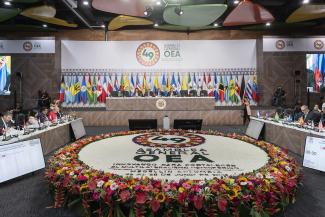
En la Organización de Estados Americanos (OEA) y en el Sistema Interamericano de Protección de los Derechos Humanos, las estrategias anti-derechos incluyen la oenegización de grupos religiosos, la utilización de discursos seculares, y la cooptación de marcos de discriminación. La influencia antiderechos se ha materializado de diversas maneras, que incluyen la intimidación de activistas trans y la obstrucción de la introducción de lenguaje progresista en las resoluciones.
Índice de contenidos
Silenciamiento de feministas en el Sistema Africano de Derechos Humanos
Grupos anti-derechos en América Latina: Asamblea General de la Organización de Estados Americanos (OEA) y el Sistema Interamericano de Protección de los Derechos Humanos
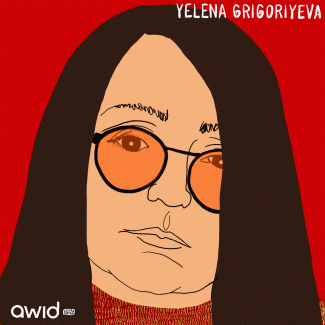
Yelena Grigoriyeva, often called Lena by friends, was a prominent LGBT rights campaigner in Russia.
She was part of democratic, anti-war and LGBT movements. In her activism, Yelena was a fierce critic of President Vladimir Putin and his administration, expressing her opposition against Russia’s annexation of Ukraine’s Crimea peninsula and the ill-treatment of prisoners.
Yelena came out as bisexual earlier in 2019.
"Her coming out was a surprise to me, and I didn't approve of it. I told her 'Listen, Lena, you already have a target painted on you because of your political activity. You've just pinned another to your chest." - Olga Smirnova
Yelena did receive multiple death threats and according to some of her acquaintances, was listed on a homophobic website that called on its visitors to hunt down LGBT persons. She reported the threats to the police, however the Russian state failed to provide protection.
But even in a society where political opposition, as well as members of the LGBT community and advocates for their rights, face continuous and increasing violence, Yelena kept campaigning for social justice and equality.
“She did not miss a single action. And they detained her so often that I already lost count,”
- Olga Smirnova (fellow opposition activist and friend).
Yelena was murdered on 21 July 2019, not far from home. A suspect was arrested but according to some sources, many friends and fellow activists believe that the suspect is a scapegoat and that this was a targeted political killing.
For Yelena’s relatives and friends, her case remains unsolved even though the suspect confessed.
In 2013, Russia passed legislation banning the spreading of what it described as ‘gay propaganda’. In 2014, Human Rights Watch published a report relating to this.
FRMag - United against violence (FR)
Ensemble contre la violence
par Karina Ocampo
C’est dans un recoin caché du Chiapas, au Mexique, que nous sommes arrivées, femmes et dissidentes sexuelles, pour organiser nos actions. (...)
< illustration : « La muerte sale por el Oriente » [la mort se lève à l’Est], par Sonia Madrigal
AWID Community Jobs board - FR
Bourse d'emploi communautaire
Êtes-vous à la recherche d'un emploi? L'un des avantages de rejoindre la Communauté de l'AWID est d'avoir accès à notre tableau d'offres d'emploi organisé par la communauté. Vous aurez l'occasion d'explorer de nouvelles opportunités et vous aurez également la possibilité de partager des postes vacants et des appels à propositions avec tous les membres.
S'inscrire à la liste de diffusion
Snippet FEA Intro Acknowledgments (EN)
We would like to thank the Amar.ela collective of women feminists activists and creatives who made this series possible, and especially Natalia Mallo (the team’s octopus) for her support and accompaniment throughout this journey.
We also extend our deepest gratitude and admiration to all the collectives and people who participated in this project, and we thank them for sharing their time, wisdom, dreams and hopes with us. We thank you for making this world a more just, feminist and sustainable one.
We hope the rest of the world will be as inspired by their stories as we are.
Magaly Quintana era conocida por muchxs en Nicaragua como 'La Maga'. Fue una historiadora feminista, activista y defensora inquebrantable de los derechos de las mujeres que exigía justicia para las víctimas de femicidio.
Magaly se comprometió a documentar y elaborar estadísticas sobre las mujeres y niñas que fueron asesinadas como resultado de la violencia sexual en el país.
"Ella reconstruyó la vida de cada una, de sus familias, para mostrar así las vidas que habían sido destrozadas". - Dora María Téllez
Magaly también criticó al gobierno por la reforma de la Ley 779 que trata la violencia contra las mujeres. Como resultado del arduo trabajo de los movimientos de mujeres nicaragüenses, esta ley, antes de su reforma, incluía importantes disposiciones para penalizar el femicidio. Magaly argumentó que estas reformas legislativas debilitaban la ley, y limitaban la definición de los femicidios a homicidios, invisibilizando, como resultado, los delitos violentos contra las mujeres.
La organización feminista de Magaly se fundó a principios de los ‘80. Fue la directora de Mujeres Católicas por el Derecho a Decidir, que defiende el derecho al aborto terapéutico tras su prohibición en 2006. En 2018, apoyó las protestas contra el gobierno de Daniel Ortega.
Magaly nació en mayo de 1952 y falleció en mayo de 2019.
"Hasta luego, mi querida Magaly Quintana. Muchas gracias, gracias por tu legado. Te veremos de nuevo, tan fuerte y poderosa como siempre."- Erika Guevara Rosas (Directora Americana de Amnistía Internacional).
FRMag - Esmeralda takes over the Internet
Esmeralda takes over the Internet : How social media has helped Romani women to reclaim visibility
by Émilie Herbert-Pontonnier
Remember Esmeralda? The exotic "Gypsy" heroine born under the pen of the French literary giant Victor Hugo and popularized by Disney studios with their Hunchback of Notre Dame. (...)
< artwork: “Si las marronas lo permiten” by Nayare Soledad Otorongx Montes Gavilan
Snippet - CSW69 Image - EN
A Joy to the World: Six Questions with Naike Ledan
Interviewed by Chinelo Onwualu
Naike Ledan is a social justice defendant, a committed feminist that brings forward 20 years of experience in human rights and health justice advocacy, women’s empowerment, the fight for universal access to basic services and social inclusion, as well as civil society capacity building. She has built extensive work in Canada, West and southern Africa, as well as in Haiti, in civil rights advocacy, capacity building for CSOs, while emphasising the social determinants of structural exclusion. She values the principles of shared leadership, anticolonial, anti-oppressive, and anti-patriarchal spaces.
Chinelo You’re billed as a trans rights activist; I’m curious about how you made that journey.
Naike So, I grew up in Haiti until I was 18, then I lived in Montreal for 19 years. Coming back to Haiti in 2016, I thought I would be coming back home, but the place had changed and I had to readjust. I did not necessarily reconnect in the way that I’d expected to with childhood family and friends. I came back as an expat with a comfortable work situation, and I felt very much like a foreigner for a very long time. And at the same time, I felt very much at home because of the language, the understood silence, the not having to explain when we start singing a commercial – you know, that thing we share, that energy, that space, that spirit.
My return to self-love – I would call “rebirth” – coinciding with giving birth to my first child, giving birth to myself, and falling in love with my queerness or same-gender lovingness. (Photo credit: Naike Ledan)
What helped me was, I loved the work of going into the country and documenting people’s knowledge. So I left the comfort. I became a country director of a regional organisation that was queer as fuck! Most of my work was to find resources and build the capacity of civil society. My strategy was to go into the countryside, look for all these little organizations, help build their capacity, and fund them. I was not interested in politicians and shaking hands and taking pictures . I had a very good ally, Charlot Jeudy – the [queer] activist that got killed three years ago in his house. We got very close after an Afro-queer film festival we were planning got banned in Haiti. But it made a lot of noise and sparked conversations about queerness everywhere, so Charlot introduced me to every little CSO in every little corner of the country. And I would just be there to help organisation[s] with registering legally or building their strategic plan. So it’s been a lot of these kinds of work that made me a queer activist and by extension, a trans activist. Although I don’t call myself that – an activist. It’s such a loaded word, you know? And it’s something people call you. I think I’m just a lover and a fighter .
Chinelo Tell me about the workshop you conducted with AWID for the festival. What was it about and what was the context?
My deep self awareness during my childhood years and my engagement in questioning inequalities and injustice at a very very young age (+/- 4 years old). (Photo credit: Naike Ledan)
Naike International media doesn’t really talk about Haiti, but with a political environment that is as bad as ours, the economic environment is even more catastrophic. Being a more middle class Haitian, speaking different languages, having different passports, I was initially hesitant to take the space. But I often see myself as a bridge more than someone that would talk about themself. That is how I came to invite Semi, who is a brilliant young trans woman from outside Port-au-Prince, to take the space to talk for herself and walk us through the ecosystem of the realities for trans women in Haiti. We ended up building a session about uninclusive feminism – or, I would say, formal feminist spaces – and how trans girls in Haiti do not have spaces where they can contribute to women’s knowledge and sharing of women’s realities. So the AWID festival was the opportunity for me to give the space to the women who should have it. We had a wonderful time; we had wine online while hosting the conversation. My co-facilitator, Semi, shared what it is like to be a trans child/girl/woman at different stages of her life. She also shared the dangers of the street, of poverty, of exclusion, of “not passing,” and her victories as well.
Chinelo What is the relationship of trans women to feminist organizations in Haiti? What has been your experience with that?
Naike It’s been really hard – heartbreaking, actually – the experience of trans women in Haiti. From not existing at all to just being extremely sexualized. The other thing that’s been happening is how they’re being killed, and how those killings have gone unreported in the media. This is how non-existent, how erased trans women are. They’re everywhere but not in job settings, not in feminist settings, not in organizational settings. Not even in LGBT organizations. It’s only recently, and because of a lot of advocacy push, that some of these organization are kind of readjusting, but in feminist spaces, this is still out of the question. We are still having to deal with the old exclusionary discourse of “They’re not women. Of course, if they can pass…” The culture of passing, it’s a risk management conversation – how much you pass and how much you don’t pass and what it means for your body and the violence it inflicts. In the trans-exclusionary realities we live in, which are reproduced in a lot of feminist spaces, those that pass completely may be considered girls, but only to a certain extent. But how about falling in love, how about having a conversation, how about being in the closet, how about wanting a certain aesthetic, or a career? So really, the conversation about hormone therapy becomes about risk reduction, as Semi herself shared at the workshop. But we don’t have the option of hormone therapy, we don’t have the medical framework nor the system to support those who would like to pursue that option.
Chinelo When you talk about the way that trans people and queer people are thought of in society, it sounds like it might be similar to Nigeria, which can be a deeply homophobic environment.
Naike Haiti is a very complex country in a very beautiful way. Nothing is simple, you know, nothing is ever one way. Haitians are very tolerant – and they’re also very homophobic. You’re going to find regions in the countryside where people aren’t that homophobic at all because all the Vodou temples there, and this is a religion that respects life. One basic principle of the Vodou religion is that all children are children. So, there is no right or wrong in the religion. For the longest time, people thought of Haiti as a haven, a place where people are tolerant – we’re talking 70s, 80s, pre-HIV, 90s even. Then you had the earthquake [in 2010] where around 300,000 people died. And then all this money came from the south of the US through the Evangelicals to rebuild the country and find Jesus. So, the homophobia in Haiti is very recent. In the depth, in the heart of the soul of the culture, I cannot really say that it is homophobic. But in the everyday life, it surely lands on the skin of queer people, that violence. And that of women, of poor women, of dark women as well, because colorism runs deep in the Caribbean.
Chinelo How have you managed this? What’s been your strategy for survival?
My return to Haiti as part of my decolonizing process, and choosing to physically position my senses and my family’s senses to magic and blackness uncompromisingly. (Photo credit: Naike Ledan)
Naike I’m really in love with my work. I love working. When I first arrived, I was working with this horrible NGO but I was doing amazing work. I was always in the countryside, conversing and learning from people, from women. And that filled my heart for so long because I’m very much in love with my culture, with black people, with black women – old black women, black babies. It just fills me up in a spiritual way. When we were in Canada my kids were in these all-white schools and tokenized. They did not speak Creole nor French. And now, they’re running free in the yard and starting to fight in Creole. I also found hubs of survival with the people I met. I created bonds with the queers and others who were weirdos like me and it’s been really wonderful. But now I’m struggling because I don’t feel safe in Haiti anymore. We have about 40 kidnappings per week in Port-Au-Prince – and it’s been like that since 2018. I’ve developed anxiety and panic attacks. So It’s time to go, and I’ve been asking myself, “where is home?” I spent 19 years in Montreal but I never felt at home there. When I left, I never missed it so I don’t want to go back. I’ve been crying a lot lately because it feels like entering a second exile.
Chinelo What’s your relationship to pleasure, leisure, and rest?
Naike My relationship with pleasure, leisure, and rest are for me one and the same. It is the lived moment when I indulge in the heat of the sun on my face for example. It is pleasure, leisure, and rest at the same time.
Pleasure: My go-to space, most solely a haven of celebration of myself. I reserve myself the power and the right to be loud or quiet in the enjoyment of the pleasure I experience. All the pleasure I viciously and abundantly indulge in, including and not limited to the pleasure of solitude and silence.
Leisure: biking, music festivals, eating, wine discoveries, dancing in Haitian traditional Vodou dances are amongst many that occur at the moment.
Rest: is what I live for. As an overachiever and a person that is literally in love with work, it is a paradox how lazy I am. No one knows that because all of what the world sees is this: an accomplished overworker. They do not know how I can just, uncompromisingly and profoundly indulge in idleness.
ExploreTransnational Embodiments
This journal edition in partnership with Kohl: a Journal for Body and Gender Research, will explore feminist solutions, proposals and realities for transforming our current world, our bodies and our sexualities.
نصدر النسخة هذه من المجلة بالشراكة مع «كحل: مجلة لأبحاث الجسد والجندر»، وسنستكشف عبرها الحلول والاقتراحات وأنواع الواقع النسوية لتغيير عالمنا الحالي وكذلك أجسادنا وجنسانياتنا.
Investissement à impact de genre et émergence de fausses solutions :
une analyse pour les mouvements féministes
L'investissement à impact de genre est désormais considéré comme une solution contre les inégalités de genre. Et pourtant, comme le montre notre rapport, il fait partie du problème. Les institutions publiques et privées en font la promotion en tant que moyen pour parvenir à l'égalité de genre et pour accroître les ressources des femmes et des filles.
Mais en aucun cas, ces affirmations ne sont étayées par des preuves.
Au contraire, l’investissement à impact de genre constitue plutôt une nouvelle version de vies et de sociétés soumises à une même logique financière, qui continue de façonner les profondes inégalités de notre monde.
Avec ce rapport, l'AWID offre aux lecteurs·rices - féministes, défenseur·euse·s de la justice de genre et autres parties prenantes de l'investissement à impact de genre - une analyse critique et des preuves étayées pour comprendre l’investissement à impact de genre, ses récits et les implications économiques et politiques qu’il a pour les mouvements féministes.