Special Focus

AWID is an international, feminist, membership organisation committed to achieving gender equality, sustainable development and women’s human rights

AWID Forum: Co-creating Feminist Futures

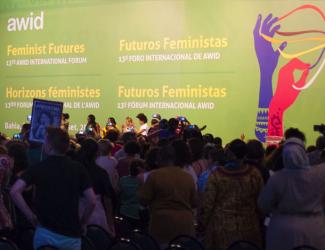
In September 2016, the 13th AWID international Forum brought together in Brazil over 1800 feminists and women’s rights advocates in a spirit of resistance and resilience.

This section highlights the gains, learnings and resources that came out of our rich conversations. We invite you to explore, share and comment!


What has happened since 2016?

One of the key takeaways from the 2016 Forum was the need to broaden and deepen our cross-movement work to address rising fascisms, fundamentalisms, corporate greed and climate change.

With this in mind, we have been working with multiple allies to grow these seeds of resistance:

And through our next strategic plan and Forum process, we are committed to keep developing ideas and deepen the learnings ignited at the 2016 Forum.

What happens now?

The world is a much different place than it was a year ago, and it will continue to change.

The next AWID Forum will take place in the Asia Pacific region (exact location and dates to be announced in 2018).

We look forward to you joining us!

About the AWID Forum

AWID Forums started in 1983, in Washington DC. Since then, the event has grown to become many things to many peoples: an iterative process of sharpening our analyses, vision and actions; a watershed moment that reinvigorates participants’ feminisms and energizes their organizing; and a political home for women human rights defenders to find sanctuary and solidarity.

Learn more about previous Forums

Related Content

Mariam Mekiwi | Snippet EN

Mariam Mekiwi Portrait

Mariam Mekiwi is a filmmaker and photographer from Alexandria and living and working in Berlin.

Ekaete Judith Umoh

Biography

Ekaete Judith Umoh is an international disability rights advocate and inclusive development expert with astute analysis of issues regarding gender, disability and inclusive development. Her dream is to see increased visibility of women and girls with disabilities in the global feminist movement, as well as in all development efforts around the world.

Ekaete enjoys activism and politics, and went on to become the first elected female President of the Joint National Association of Persons with Disabilities (JONAPWD) in Nigeria, where she led Organizations of Persons with disabilities in the struggle to sign the Nigerian Disability Bill into Law in 2019, after over 17 years of consistent advocacy. Thereafter, she joined CBM Global as a pioneer Country Director and led her team for about 3 years, contributing towards ending the circle of poverty and disability in Nigeria. Aside from disability activism, Ekaete has served as consultant to several development agencies, providing technical assistance on disability inclusion in program and project design.

Add to stories
Off

Snippet - WITM Our objectives - RU

Задачи исследования «Где деньги?»:

1

Предоставить членам AWID, партнерам и донорам обновленный, мощный, основанный на фактических данных и ориентированный на конкретные действия анализ ресурсных реалий феминистских движений, а также текущего состояния экосистемы финансирования феминистских инициатив.

2

Выявить и продемонстрировать возможности для увеличения и улучшения финансирования феминистских организаций, выявить ошибочные решения и препятствовать тенденциям, приводящим к нехватке финансирования и/или противоречащим гендерной справедливости и межсекторальным феминистским повесткам.

3

Сформулировать феминистское видение, предложения и программы по обеспечению ресурсами.

Пройти опрос!

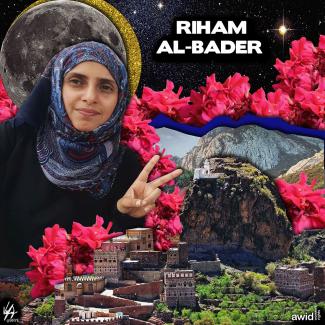
Riham Al-Bader

Riham was a lawyer and activist committed to monitoring rights violations in Yemen.

She worked with other activists to supply civilians trapped by Houthi militias in the outskirts of the city of Taiz with food and water.

Riham was killed in February 2018 and it is unconfirmed whether she was killed by a sniper or hit by an aircraft. Nobody has been held accountable for her murder. 


Riham Al Bader, Yemen

Disintegration | Small Snippet AR

تَفَسُخ

وصلتني رسالة يوم الأربعاء
مصحوبة بعنوانٍ على ظهرها. 

اقرأ أكثر

Alejandra Morena

Biography

Alejandra is passionate about women’s rights and gender justice. She dreams of creating a world that centers care – for people and nature. As a feminist human rights expert, she’s worked at the intersections of gender, climate, social and economic justice at various international organizations. Her areas of expertise include knowledge building and co-creation, research, facilitation, and advocacy. She holds a MA in Human Rights from the University of Essex and has authored and co-developed many publications, including the article “Enraged: Women and Nature”. The campaign Feminist Activism Without Fear draws on interviews and research carried out by Alejandra. 

Originally from Argentina, she has lived and worked in several countries in Europe and Latin America over the past two decades. Alejandra loves photography, the sea, baking with her daughter, and enjoying food from around the world. As a mother, she aims to be a cycle breaker. Alejandra draws energy and inspiration from the amazing women in her life, who are spread in many corners of the world.

Position
Research & Advocacy Lead, Resourcing Feminist Movements
Add to stories
Off

لماذا عليّ أن أفكر بتعبئة الاستطلاع؟

هنالك العديد من الأسباب لتعبئة الاستطلاع منها أنه لديك الفرصة لمشاركة تجربتك المعاشة المتعلقة بحشد الموارد لدعم تنظيمك، أن تعمل/ين من منطلق قوة كخبير/ة بما يتعلق بالأموال ولأين تتحرك ولأين تصل وبذلك المشاركة بالجهد المشترك والمناصرة لتحريك التمويلات الأكبر والأفضل. لقد أثبت استطلاع "أين المال" في العشرين عام الأخيرة أنه مصدر أساسي للشركاء/ الشريكات وكذلك للممولين/ات. ندعوك من كل قلبنا للمشاركة بالنسخة الثالثة لتسليط الضوء على الوضع الفعلي للموارد، وتحد الحلول الخاطئة، والإشارة إلى كيفية تغيير التمويل حتى تزدهر الحركات وتواجه التحديات المعقدة في عصرنا.

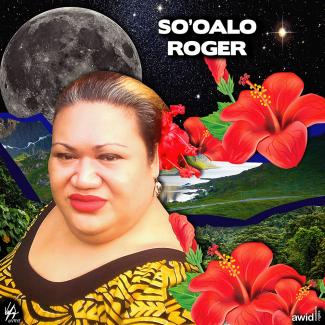
So'oalo Roger

So'oalo fue una ferviente defensora de los derechos humanos, especialmente de los derechos de la comunidad LGBTQI en el Pacífico.

Fue integrante de la Asociación Fa’afafine de Samoa (SFA) y una apasionada activista por el reconocimiento de un tercer género en el país insular. Bajo su liderazgo, la SFA luchó por el reconocimiento de la validez y los derechos de la comunidad fa’afafine.

También fue pionera en articular los vínculos entre derechos humanos, explotación de lxs fa’afafines en Samoa y el Pacífico y la salud, el bienestar y la seguridad de la comunidad LGBTQI.

Fue fuente de inspiración, visionaria y su dedicación a la lucha por los derechos de su comunidad es admirable y será recordada  por siempre.


So'oalo Roger, Samoa

Hospital | Content Snippet FR

Hôpital

« C’est peut-être le moment de repenser à ce à quoi peut ressembler une révolution. Peut-être qu’elle ne ressemble pas à une marche de personnes handicapées en colère dans les rues. Peut-être ressemble-t-elle plutôt à un monde qui s’immobilise parce que tous les corps qui le composent sont épuisés – parce qu’il faut donner la priorité aux soins avant qu’il ne soit trop tard. »- Johanna Hedva 

Les hôpitaux sont des institutions, des sites vivants du capitalisme, et ce qui se joue lorsque quelqu’un est censé se reposer est un microcosme du système lui-même.

Les institutions sont conçues pour nous séparer de nos systèmes de soins – nous nous retrouvons isolé.e.s dans des structures rigidement hiérarchisées, et nous avons souvent l’impression que les soins nous sont imposés plutôt que donnés ou pris dans le cadre d’une conversation. Les soins institutionnels, du fait de leur intégration dans la demande capitaliste, sont cloisonnés : une personne s’occupe de votre jambe et uniquement de votre jambe, une autre s’occupe de votre tension artérielle, etc. 

La photographe Mariam Mekiwi a dû subir une opération le mois dernier et documenté le processus. Ses portraits d’environnements aseptisés – néons blancs, rangées et rangées de structures répétitives – dans une palette de couleurs délavées reflètent un lieu vidé de toute vie et de tout mouvement. C’était l’une des façons pour Mariam de garder son esprit vivant. C’était une forme de protestation à l’intérieur des limites d’une institution avec laquelle elle devait s’engager.

Les photos forment le portrait de quelque chose d’incroyablement vulnérable, car regarder quelqu’un·e vivre l’effondrement de son propre corps est toujours un rappel sacré de notre propre fragilité. C’est aussi un rappel de la fragilité de ces systèmes de soins, qui peuvent nous être refusés pour de multiples raisons – allant du manque d’argent au fait de ne pas être dans un corps considéré comme suffisamment précieux, un corps peut-être trop féminin, trop homosexuel ou trop brun.  

Des soins vécus comme désincarnés et solitaires, susceptibles d’être révoqués à tout moment, ne nous aident pas à nous épanouir. Et c’est très différent de la façon dont les êtres humains se comportent réellement lorsqu’iels prennent soin les un.e.s des autres. À quoi ressemblerait notre monde si nous nous engagions à démanteler les structures capitalistes actuelles qui entourent notre santé? À quoi ressemblerait-il, si nous le réimaginions radicalement?
¿De dónde obtiene AWID su financiamiento?

El trabajo de AWID es posible gracias al apoyo financiero de una amplia gama de donantes, incluyendo agencias multilaterales y bilaterales, fundaciones privadas y fondos de mujeres.

Consulta la lista actualizada de donantes

Наша группа, организация и/или движение не получали и не мобилизовывали финансирование от внешних спонсоров – можем ли мы принять участие в опросе?

Да! Мы признаем и ценим различные причины, по которым феминистки(-ты), работающие в различных контекстах, не имеют внешнего финансирования. Эти причины могут разниться: от невозможности подавать заявки на гранты из-за несоответствия требованиями и/или невозможности получения денег из-за рубежа, до использования генерируемых автономно ресурсов, в качестве самостоятельной политической стратегии. Мы хотим услышать ваше мнение, независимо от наличия или отсутствия у вас опыта работы с внешним финансированием.

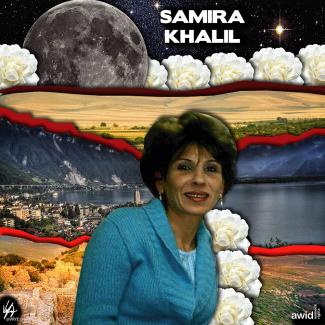
Samira Khalil

Samira était une activiste syrienne sous le régime de Bachar al-Asad.

Dès son plus jeune âge, Samira s'est opposée à toutes les formes de despotisme et en particulier au régime autoritaire dans lequel elle vivait. Samira a été kidnappée en 2013 avec trois autres activistes de premier plan. Elle aurait été enlevée au Centre de documentation sur les violations à Douma, une ville située en périphérie rurale de Damas.

Le principal suspect associé à sa disparition est le groupe rebelle syrien Jaych al-Islam (l'armée de l'islam), qui nie son implication. Aucune enquête officielle n’a été ouverte sur la disparition de Samira et elle n’a plus donné de nouvelles depuis lors. Samira était attachée à son pays et refusait de quitter la Syrie tant qu'elle estimait que son rôle en faveur de l'émancipation des femmes et la documentation des crimes était utile et nécessaire.


Samira Khalil, Syria

CREDITS | Content Snippet EN

Credits

Co-editeurices
Chinelo Onwualu
Ghiwa Sayegh (Kohl)

Création graphique et illustration
Sophia Andreazza

Stratège des communications
Zuhour Mahmoud (Kohl)

Editrice de la langue arabe
Sabah Ayoub (Kohl)

Responsable de la traduction
Maya Zebdawi (Kohl)


L’équipe de AWID
Nana Darkoa Sekyiamah
Lola Silva
Kamee Abrahamian
Tanya Lallmon    
Maria Olivo
Marianne Asfaw
Ana Abelenda


Version française
Traduction
Camille Dufour
Morgane Boëdec

Relecture
Nathalie Thériault
 

Traduction arabe
Lina Yahya
Marina Samir
Maya Zebdawi
Nidal Majeed
Rania El-Ghazal
Rola Alaeddine
Viviane Akiki


Version espagnole
Traduction
Verónica Torrecillas
Gabriela Adelstein
Maria Luisa Peralta
Alejandra Sarda
Gabby De Cicco

Relecture
Alejandra Sarda
Gabby De Cicco
María Eugenia Martí


Portuguais vers anglais
Traduction
Luiza Martello

Relecture
Shaina Greiff
 

Les hommes peuvent-ils adhérer à l’AWID ?

Oui, l’adhésion à l’AWID est ouverte à tous ceux et à toutes celles qui partagent nos valeurs.

Nombre d’hommes qui partagent notre engagement vis-à-vis du féminisme et des droits humains des femmes sont membres de l’AWID.

Rencontrez nos membres

Quais são os idiomas oficiais do inquérito WITM?

Por enquanto, o inquérito no KOBO está disponível em árabe, inglês, francês, português, russo e espanhol. Terá a oportunidade de selecionar um dos idiomas no início do inquérito.

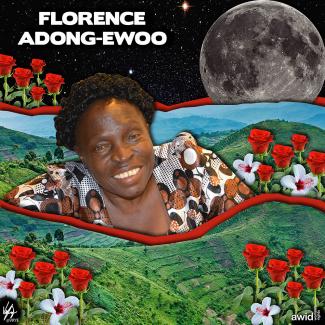
Florence Adong-Ewoo

Florence was a disability rights activist who worked with several disabled women’s organizations in Uganda.

She also held the position of Chairperson of the Lira District Disabled Women Association, as well as the Lira District Women Councilors’ caucus. Trained as a counsellor for persons with disabilities and parents of children with disabilities, she supported many projects that called for greater representation of persons with disabilities.

She died of a motorcycle accident. 


Florence Adong-Ewoo, Uganda