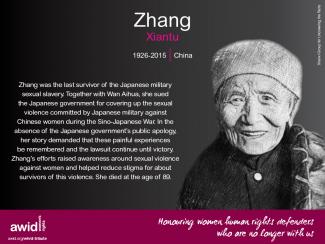
Zhang Xiantu
WHRDs are self-identified women and lesbian, bisexual, transgender, queer and intersex (LBTQI) people and others who defend rights and are subject to gender-specific risks and threats due to their human rights work and/or as a direct consequence of their gender identity or sexual orientation.
WHRDs are subject to systematic violence and discrimination due to their identities and unyielding struggles for rights, equality and justice.
The WHRD Program collaborates with international and regional partners as well as the AWID membership to raise awareness about these risks and threats, advocate for feminist and holistic measures of protection and safety, and actively promote a culture of self-care and collective well being in our movements.
WHRDs are exposed to the same types of risks that all other defenders who defend human rights, communities, and the environment face. However, they are also exposed to gender-based violence and gender-specific risks because they challenge existing gender norms within their communities and societies.
We work collaboratively with international and regional networks and our membership
We aim to contribute to a safer world for WHRDs, their families and communities. We believe that action for rights and justice should not put WHRDs at risk; it should be appreciated and celebrated.
Promoting collaboration and coordination among human rights and women’s rights organizations at the international level to strengthen responses concerning safety and wellbeing of WHRDs.
Supporting regional networks of WHRDs and their organizations, such as the Mesoamerican Initiative for WHRDs and the WHRD Middle East and North Africa Coalition, in promoting and strengthening collective action for protection - emphasizing the establishment of solidarity and protection networks, the promotion of self-care, and advocacy and mobilization for the safety of WHRDs;
Increasing the visibility and recognition of WHRDs and their struggles, as well as the risks that they encounter by documenting the attacks that they face, and researching, producing, and disseminating information on their struggles, strategies, and challenges:
Mobilizing urgent responses of international solidarity for WHRDs at risk through our international and regional networks, and our active membership.
Development financing has specific threats and opportunities for women's and all people’s human rights. Transformative development financing and policies can make an important contribution to the systemic changes that are needed to ensure the respect, protection and fulfillment of women’s human rights.
2015 is an important year for the FfD process. The Third International Conference on FfD took place from 13-16 July 2015 in Addis Ababa, Ethiopia and governments are finalising the post-2015 development agenda including agreements on how the new Sustainable Development Goals will be financed.
The current stage of the FfD process is an important opportunity to establish a financing framework that will ensure effective financing for the implementation of the post 2015 agenda and the Sustainable Development Goals (SDGs). It is also an opportunity to address the structural conditions, and systemic changes needed, for the full implementation of other agendas and commitments such as Human Rights Conventions, and the Beijing Platform for Action.
Over the last 13 years, women’s rights and feminist organizations have actively engaged in the FfD process.
الصدمة ليست الحدث؛ إنها أجسادنا التي تستجيب للأحداث التي تشعرنا بخطرها علينا. وفي أغلب الأحوال تبقى عالقة في أجسادنا، إلى أن نتعامل معها. لا يوجد حديث عن أجسادنا خارج هذه الاستجابة – لأنها كذلك.
我們會盡快宣布。敬請關注!
« Si on peut hériter de traumatismes, peut-on aussi hériter d’une impression en lien avec l’amour? »
您不必成為AWID會員即可參加,但是AWID會員可以獲得折扣的註冊費以及許多其他好處。
詳細瞭解如何成為AWID成員 (in English)
Alors que le capitalisme hétéropatriarcal s’acharne à nous contraindre au consumérisme et à la conformité, nous constatons que nos luttes sont cloisonnées et séparées par des frontières aussi bien physiques que virtuelles.
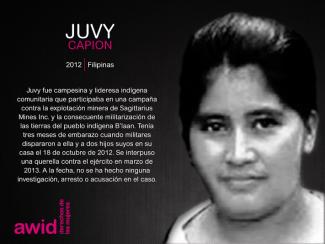
如有其他疑問,請使用我們的聯繫表,然後從下拉選單中選擇「第14屆AWID論壇」。
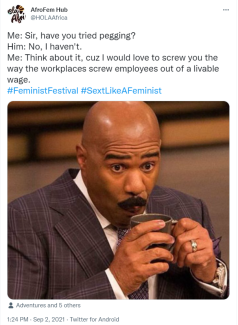
Moi : Monsieur, avez-vous essayé le pegging?
Lui : Non, madame.
Moi : Pensez-y, parce que j’aimerais bien vous baiser comme ces entreprises qui baisent leur personnel pour un salaire à peine minimum.
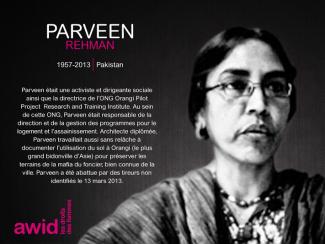
我們認為在亞太區域,台北最能讓我們為全球女性主義社群打造一個安全又可「造反」的空間。
即將召開的論壇與會者多元,台北提供了相當穩定與安全的環境。同時也具備穩健的勤務服務能力,方便許多旅客來往(提供國際論壇與會者便利的電子簽證流程)
當地的女性主義運動社群也歡迎論壇到來並積極與全球女性主義者串連。
Moriviví es un colectivo de jóvenes artistas mujeres que trabajan en arte público desde abril de 2013. Con sede en Puerto Rico, hemos obtenido reconocimiento por la creación de murales y de arte comunitario.