Black women and gender-non conforming artists show me what liberation sounds like
It is through music and art that we allow ourselves to imagine new possibilities.
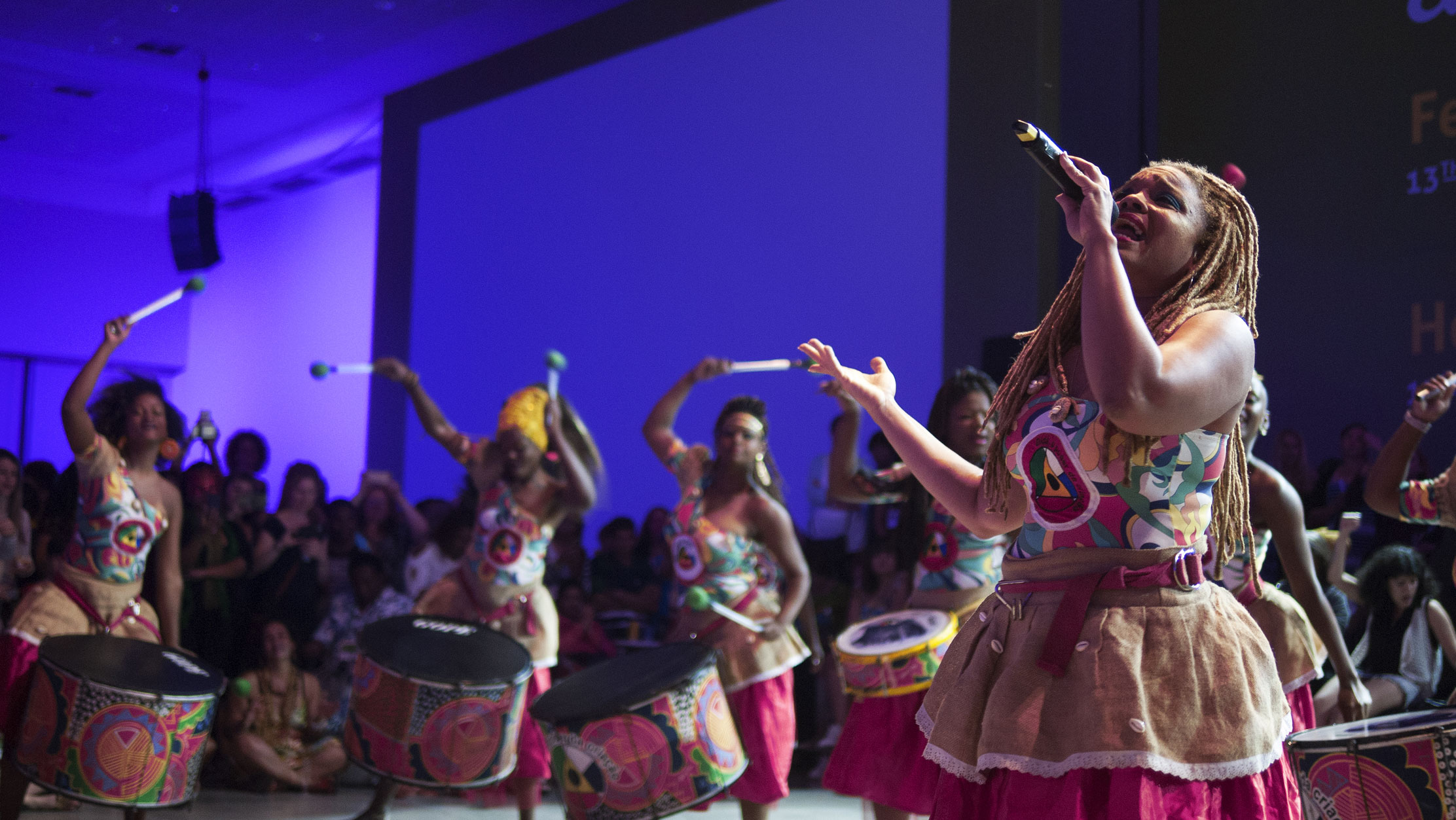
It is through music and art that we allow ourselves to imagine new possibilities.
In this article, Victoria Tesoriero examines two concrete experiences that rely on different self-generated resourcing strategies. Two key spaces for organizing and movement building that have helped create more established collaboration and brought together activists from across different generations.
As CARE shared ground breaking news that PepsiCo Foundation has committed a whopping $18.2 million grant to implement a female empowerment program, a subsidiary of Pepsi would decide to take four peasant farmer to court for allegedly growing Frito lay potato seed varieties.
When trans-exclusionary feminists claim to speak in the name of radical feminism, they erase its diversity.
Resolutions on “Protection of the Family” were passed at the Human Rights Council in 2014, 2015, and 2016.
The “Protection of the Family” agenda is driven by ultra-conservative efforts to impose “traditional” and patriarchal interpretations of the family, and to move rights out of the hands of family members and into the institution of ‘the family’.
Nana Darkoa Sekyiamah is currently the Director of Information, Communications and Media at AWID. She has worked mainly virtually for close to 5 years, connecting with colleagues at AWID in 16 countries, and meeting over various digital platforms. She is sharing my top 6 tips for thriving in today’s gig economy.
Recently, Tucker Carlson of Fox News went apoplectic when Dutch journalist and historian, Rutger Bregman, came in for an interview and told Carlson, “You may not like it but you’re a millionaire funded by billionaires.” As Bregman continued to, in his own words, “speak truth to power,” Carlson quickly ended the interview in a string of insults.
This year's theme for International Women’s Day #BalanceForBetter brings to mind slow gradual change It doesn't resonate with us! Feminist movements from the South demand instead a radical transformation of society based on equity and justice.
The Young Feminist Wire interviewed Renee Bracey Sherman, a reproductive justice activist and author of Saying Abortion Aloud: Research and Recommendations for Public Abortion Storytellers and Organizations. Bracey Sherman talks about online harassment and how she dealt with it when she started writing and talking about her abortion publicly.
As I reflect back on my experiences as a girl and woman, and what living in a deeply patriarchal, prejudiced, sexist, racist, ableist and ageist society means, I wonder often about what influenced my [feminist] politics. Was it the ostracizing? The unjust beauty standards for women? The countless times I heard and lived stories of surviving violence? These all added up. But the ability to look at different struggles and forms of oppressions and draw connections strengthened my feminism, as did my willingness to empathize (and not sympathize). These are all elements of “breaking the silos,” building solidarity and forming a sense of sisterhood.