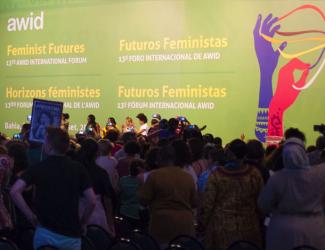
In September 2016, the 13th AWID international Forum brought together in Brazil over 1800 feminists and women’s rights advocates in a spirit of resistance and resilience.
This section highlights the gains, learnings and resources that came out of our rich conversations. We invite you to explore, share and comment!
What has happened since 2016?
One of the key takeaways from the 2016 Forum was the need to broaden and deepen our cross-movement work to address rising fascisms, fundamentalisms, corporate greed and climate change.
With this in mind, we have been working with multiple allies to grow these seeds of resistance:
Movements can also benefit from new methodologies on Visioning Feminist Futures (Coming up soon!)
And through our next strategic plan and Forum process, we are committed to keep developing ideas and deepen the learnings ignited at the 2016 Forum.
What happens now?
The world is a much different place than it was a year ago, and it will continue to change.
The next AWID Forum will take place in the Asia Pacific region (exact location and dates to be announced in 2018).
We look forward to you joining us!
About the AWID Forum
AWID Forums started in 1983, in Washington DC. Since then, the event has grown to become many things to many peoples: an iterative process of sharpening our analyses, vision and actions; a watershed moment that reinvigorates participants’ feminisms and energizes their organizing; and a political home for women human rights defenders to find sanctuary and solidarity.
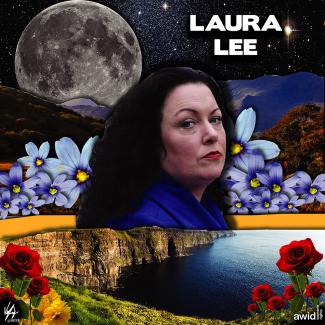
Laura fue una abogada y líder activista que luchó valientemente por la descriminalización del trabajo sexual en Irlanda.
Es recordada como «una combatiente por la libertad de lxs trabajadorxs sexuales, una feminista, una madre para su hija y una amiga necesaria para mucha gente».
Laura promovió el reconocimiento de las personas de la industria del sexo como trabajadorxs merecedorxs de derechos. Presentó demandas por la descriminalización, e inició una revisión judicial en la Corte Suprema de Belfast respecto de las provisiones que criminalizan la compra de servicios sexuales. Declaró que su intención era llevar el caso a la Corte Europea de Derechos Humanos.
Snippet Forum Location Announcement Body (EN)
The AWID Forum is the world’s largest event that wholeheartedly centers feminist and gender justice movements in all their diversity. It is a transformative space created by and for the movements - where Global South feminists and historically marginalized communities take centerstage, strategize to shift power, and connect with allied movements, funders and policy-makers. And so it is with full and fiery hearts that we share…
The 15th AWID International Forum will take place from December 2-5, 2024 in Bangkok, Thailand!
We hope to gather 2,500 in-person and 3,000 online/hybrid participants. When thousands of feminists come together, we create a sweeping force of solidarity that has the power to change the world! We’re excited, and we know you’re excited too - so stay tuned for more
Film club - swana
Ya puedes mirar el programa «Feminist Embodiments of Hope and Power» [«Corporizaciones feministas de esperanza y poder»] del Club de Cine Feminista de AWID, una serie de películas sobre realidades feministas de la región del Sudoeste Asiático y África del Norte, curada por Esra Ozban.
I have many fond memories in my journey with feminism, but one in particular that stands out. It was during my time at graduate school, at a lecture I attended as part of a Feminist Theory course. This lecture was on African feminism and in it the professor talked about the history of Pan Africanism and the ways in which it was patriarchal, male-centric, and how Pan Africanist scholars perpetuated the erasure of African women. She talked about how African women’s contributions to the anti-colonial and decolonial struggles on the continent are rarely, if ever, discussed and given their due credit. We read about the African feminist scholars challenging this erasure and actively unearthing these stories of African women led movements and resistance efforts. It seems so simple but what stood out to me the most was that somebody put the words African and feminist together. Better yet, that there were many more of us out there wrestling with the complicated history, politics and societal norms in the various corners of the continent and we were all using a feminist lens to do this. I came out of that lecture feeling moved and completely mind-blown. After the lecture three of my friends (all African feminists) and I spent some time debriefing outside the classroom. We were all so struck by the brilliance of the lecture and the content but, more than anything, we all felt so seen. That feeling stood out to me.
Falling in love feminism was thrilling. It felt like finally getting to talk to your longtime crush and finding out that they like you back. I call it my crush because in high school I referred to myself as a feminist but I didn’t feel like I knew enough about it. Was there a right way to be feminist? What if I wasn’t doing it right? Attending my first Women’s Studies lecture answered some of these questions for me. It was thrilling to learn about stories of feminist resistance and dismantling the patriarchy. I felt so affirmed and validated, but I also felt like something was missing.
Deepening my relationship with feminism through academia, at an institution where the students and teaching staff were mostly white meant that, for those first few years, I noticed that we rarely had discussions about how race and anti-blackness show up in mainstream feminist movements. In most courses we had maybe 1 week, or worse 1 lecture, dedicated to race and we would usually read something by bell hooks, Kimberly Crenshaw’s work on intersectionality, and maybe Patricia Hill Collins. The following week we were back to sidelining the topic. I dealt with this by centring race and black feminism in almost all my assignments, by writing about black hair and respectability politics, the hypersexualization of black women’s bodies, and so much more. Over time I realized that I was trying to fill a gap but didn’t quite know what it was.
Encountering and learning about African feminism was a full circle moment. I realized that there was so much more I had to learn.
Mainly that my Africanness and my feminist politics did not have to be separate. In fact, there was so much that they could learn from each other and there were African feminists out there already doing this work. It was the missing piece that felt so elusive during my exploration of feminism throughout my academic journey.
Feminism to me is the antithesis to social and political apathy. It also means once you adopt a feminist lens, nothing can ever be the same. My friends and I used to talk about how it was like putting on glasses that you can never take off because you now see the world for what it is, mess and all. A mess you can’t simply ignore or walk away from. Therefore my vow to the feminist movement is to never stop learning, to keep stretching the bounds of my empathy and to never live passively. To dedicate more time and space in my life to feminist movements and to continue to amplify, celebrate, document and cite the work of African feminists. I also commit to centring care and prioritizing pleasure in this feminist journey because we can’t sustain our movements without this.
Claudia est Professeure en Egalité et équité pour le développement, psychologue féministe, activiste en faveur de la défense des droits humains depuis 30 ans et des droits des femmes depuis 24 ans.
Claudia, qui travaille au Salvador, est co-fondatrice et directrice générale de l’association Mujeres Transformando, et défend depuis 16 ans les droits du travail des travailleuses du secteur des maquiladoras textiles et de l’habillement. Elle a collaboré à la formulation d’initiatives législatives, à des propositions de politiques publiques et de recherches visant à améliorer la qualité de l’emploi pour les femmes travaillant dans ce secteur, en plus de travailler sans relâche au renforcement de l’organisation et de l’autonomisation des ouvrières des maquiladoras textiles et des couturières à domicile.
Elle participe activement à des actions de plaidoyer à l’échelle nationale, régionale et internationale pour la défense et la revendication des droits du travail de la classe ouvrière du Sud mondial d’un point de vue féministe, anticapitaliste, anti-patriarcal et dans une perspective de prise de conscience de la classe et du genre. Elle fait partie du Conseil d'administration de l'Initiative Spotlight et du Groupe national de référence de cette dernière. Elle fait également partie du Groupe consultatif de la société civile de l'ONU Femmes.
الرجاء اختيار لغتك في الزاوية اليمنى الرجاء اختيار اللغة المفضلة للإجابة على الاستطلاع في أقصى يمين الصفحة
ذا كنت ترغب في معرفة المزيد، انضم إلى لقاء للأعضاء/ العضوات: أين المال؟ يوم الاثنين 27 مايو (أيار) الساعة 9:00 بالتوقيت العالمي - مع ترجمة
فورية باللغتين الفرنسية والإنجليزية.
14:00 بالتوقيت العالمي - مع ترجمة فورية باللغتين الإسبانية والإنجليزية
سنستمع إلى فريق الحركات النسوية لتوفير الموارد التابع لجمعية حقوق المرأة في التنمية (جمعية حقوق المرأة في التنمية) حول خصوصيات وعموميات تمويل التنظيمات النسوية.
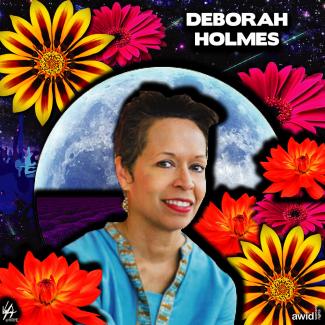
Jusqu’à son décès, à la suite d’une lutte brève mais agressive contre le cancer, Deborah était la directrice de la communication et de la mobilisation au Women’s funding network (le réseau de financement des femmes), WFN.
Entre 2008 et 2017, elle avait également travaillé auprès du Fonds mondial pour les femmes. Deborah était extrêmement appréciée et respectée par le conseil d'administration, l’équipe et les partenaires du Fonds mondial pour les femmes.
Kavita Ramdas, ex-PDG a déclaré, à juste titre, que Deborah était « la combinaison unique d’un être mêlant chaleur, générosité, intelligence et style, avec un engagement passionné pour faire fusionner la beauté et la justice. Elle avait compris le pouvoir des histoires. Le pouvoir de la voix des femmes. Le pouvoir de l'expérience vécue. Le pouvoir de renaître de ses cendres et de dire aux autres que c'était possible. Et nous continuons à nous relever. »
Musimbi Kanyoro, l'actuelle PDG du Fonds mondial pour les femmes, a ajouté: « Nous avons perdu une sœur et sa vie illumine des valeurs qui nous unissent et nous inspirent tou-te-s. Alors que nous sommes tou-te-s réuni-e-s pour pleurer le décès de Deborah, souvenons-nous et célébrons sa vie remarquable, audacieuse et passionnée. »
Snippet Join Forum Dreaming (ES)
¿Quieres construir el Foro con nosotrxs?
Hazte afíliadx de AWID ahora y participa en nuestro próximo evento para afiliadxs "Soñando el Foro" el 20 de junio.
Film club - intro
Dans le cadre de l’aventure de l’AWID sur les Réalités féministes, nous vous invitons à explorer notre tout nouveau Club de cinéma féministe : une collection de courts et longs métrages sélectionnés par des programmateurs·rices et narrateurs·rices féministes du monde entier, dont Jess X. Snow (Asie/Pacifique), Gabrielle Tesfaye (Afrique/diaspora africaine) et Esra Ozban (Asie du Sud-Ouest, Afrique du Nord). Alejandra Laprea est responsable du programme Amérique latine et centrale, que nous lancerons en septembre dans le cadre de Crear, Résister, Transformer : un festival pour les mouvements féministes porté par l’AWID. En attendant, surveillez les annonces sur les projections de films spéciaux et les discussions avec les réalisateurs·rices!
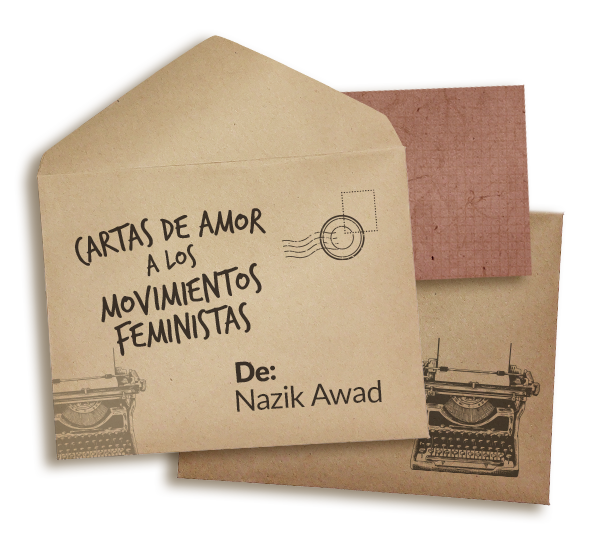
Carta de amor a los movimientos feministas #5
Feministas sudanesas: «Una revolución dentro de la revolución»
«Mientras estaba en la primera línea de la protesta, fui sometida a violencia sexual, a lesiones físicas y a otras formas de violencia. Pero no me detendré hasta que logremos pleno gobierno civil en Sudán. Debemos impedir la militarización del Estado. Nuestros cuerpos no deben seguir siendo tratados como campos de batalla»
Durante los últimos cuatro años, las mujeres lideraron la revolución en Sudán. Su liderazgo no fue solo callejero, sino que constituyó el poder que impulsó la resistencia constante en todos los niveles. Las mujeres y las jóvenes feministas se convirtieron en la conciencia alerta del movimiento de cambio y democratización sudanés. Desde la primera protesta del 13 de diciembre de 2018 contra el régimen anterior, en la ciudad de Aldmazein, en el área de conflicto del Nilo Azul, las jóvenes estudiantes fueron las voces que demandaron el fin de la dictadura de los militares y los Hermanos Musulmanes, que ya lleva treinta años en el poder.
El movimiento feminista, liderado por mujeres de entre 16 y 35 años, ha entablado una revolución dentro de la revolución en Sudán durante los últimos cuatro años de lucha ininterrumpida. Las potentes voces de las jóvenes que ocupan espacios en las calles, las redes sociales, la sociedad civil y las organizaciones políticas se elevaron lo suficiente como para reconfigurar la opinión pública y desafiar las normas sociales. Por primera vez en la historia de Sudán, las discusiones sobre violencia sexual y de género y sobre los tabúes de la violencia doméstica y los procesos de toma de decisiones dominados por los hombres se convirtieron en debates generalizados. Los equipos de fútbol de mujeres designaron voceras ante los comités de resistencia, y los sindicatos profesionales liderados por mujeres son parte de la expresión de la nueva ola del movimiento feminista de Sudán. El logro más importante es que las jóvenes se identifican como feministas en forma orgullosa y pública, en un país regido por el fundamentalismo islámico durante tres décadas. Los jóvenes varones que apoyan el activismo feminista -y se identifican como feministas- son otra señal de progreso notable.
Bajo el actual régimen del golpe militar, las jóvenes que lideran estas iniciativas y los grupos de mujeres que trabajan en el territorio no pueden mencionarse aquí debido a varios problemas de seguridad. Pero su resiliencia, su fuerza y su valentía serán incluidas en los libros de historia. Las audaces jóvenes que encabezan la resistencia en las calles y detrás de las pantallas, y que trabajan en diferentes profesiones y áreas de activismo están dando forma al futuro de Sudán. Las jóvenes feministas de Sudán están creando nuevos espacios para que las narrativas y los discursos feministas reestructuren la distribución del poder a nivel político, económico y social.
A pesar de la inmensa violencia, del resurgimiento del islamismo fundamentalista, de la militarización y de la reducción de los espacios cívicos, las activistas feministas de Sudán se mantienen arraigadas en su sororidad. Siguen siendo una gran inspiración para los movimientos feministas de todo el mundo.
Nazik Awad
1 «Amal» es un seudónimo utilizado para proteger a la joven activista citada. 2 Desde 2018, Sudán vive en una revolución constante. Una nueva ola opositora arrancó a partir del golpe militar del 25 de octubre de 2021.
Michelle is a Southeast Asian feminist who enjoys conspiring to bring people together and spark conversations for social change and feminist knowledge sharing, through art, poetry, music and games. With a background in digital advocacy and communications strategy development, she has contributed to initiatives in digital rights, human rights research, and civil society coalition building throughout Southeast Asia. She has an LLB from National University of Singapore, enjoys following her feet down random city streets and likes coffee a little too much.
Position
Membership and constituency Engagement Coordinator
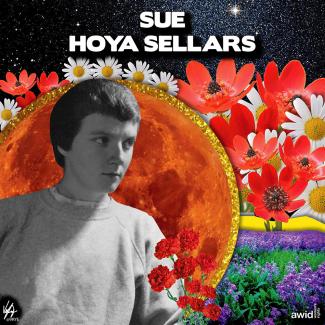
Sue was an artist, activist and teacher born in 1936 in Maryland, USA.
Sue created art for women, about women. As a lesbian feminist, and for a time, a separatist, she was committed to creating women-only spaces. In 1976 she purchased land that is still held by women who visit to make art. Sue took a fierce stand on the protection of women and girls.
With her groundbreaking futuristic, classical and anthropological approach, she filled any room she entered with intellect, authentic eccentricity, unforgiving wit, and humor. Her ideas about consciousness and creativity continue to inspire many people.
Allez-vous ouvrir un appel à propositions ?
Oui ! Veuillez lire notre Appel à activités et vous inscrire ici. La date limite est fixée au 1er février 2024.
OURS 2021 - Chapter 1 es
Capítulo 1
Promover agendas feministas: progresos clave en género y sexualidad
La montée en puissance des antidroits a préparé son terrain. Nous devons comprendre la montée de l’ultranationalisme, du pouvoir incontrôlé des entreprises, de la répression croissante et de l’amenuisement de l’espace civique pour contextualiser les menaces actuelles contre nos droits.
When thousands of feminists come together, we create a sweeping force of solidarity that has the power to change the world. The AWID Forum will be a moment for us to rest and heal together, connect across borders, and discover brave new strategic directions.
The date and location will be announced next year, as soon as we can. We’re excited and we know you’re excited too. Stay tuned!
Eni Lestari es una trabajadora de casa particular (doméstica) que vive en Hong Kong y es activista por los derechos de lxs migrantes. Tras escapar de un empleador abusivo, dejó de ser víctima y se transformó en organizadora de lxs trabajadorxs de casa particular y de lxs migrantes en general. En 2000 fundó la Association of Indonesian Migrant Workers [Asociación de Trabajadoras Migrantes de Indonesia, ATKI-Hong Kong] que luego se expandió a Macao, Taiwan e Indonesia. Fue coordinadora y una de las voceras del Asia Migrants Coordinating Body [Organismo Coordinador de Migrantes de Asia, AMCB], alianza de organizaciones de base en Hong Kong que reúnen a migrantes de Indonesia, Filipinas, Tailandia, Nepal y Sri Lanka. Actualmente preside la Alianza Internacional de Migrantes, primera alianza global de migrantes de base, inmigrantes, refugiadxs y otras personas desplazadas.
Ha ocupado cargos importantes en distintas organizaciones como Asia Pacific Forum on Women, Law and Development [Foro de Asia-Pacífico sobre Mujeres, Derecho y Desarrollo, APWLD] cuyo Consejo Regional integra. También formó parte del Consejo Directivo de la Alianza Contra la Trata de Mujeres (GAATW), fue vocera de la Network of Indonesian Migrant Workers [Red de Trabajadrxs Migrantes de Indonesia, JBMI], consejera de ATKI-Hong Kong y Macao así como de la Association of Returned Migrants and Families in Indonesia [Asociación de Migrantes y Familias Retornadas en Indonesia, KABAR BUMI]. Ha sido ponente en foros organizados por la academia, grupos interreligiosos, sociedad civil, sindicatos y muchas otras entidades en espacios nacionales, regionales e internacionales.
También ha participado activamente en asambleas/conferencias de la ONU sobre desarrollo y derechos de lxs migrantes y fue elegida para hablar en la apertura de la Asamblea General de la ONU sobre Grandes Desplazamientos de Migrantes y Refugiados realizada en 2016 en la ciudad de Nueva York, Estados Unidos. Recibió nominaciones y reconocimientos como ser incluida entre las mujeres que inspiran de la serie 100 Women de la BBC; Heroína pública (RCTI), Mujer influyente en la categoría lideresa del sector sin fines de lucro (Cámara Estadounidense en Hong Kong), Hacedora de cambios (Cathay Pacific) y un premio del Club Indonesio.