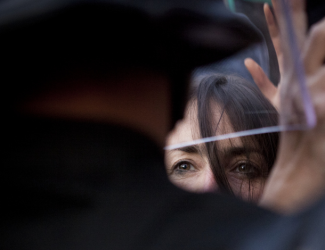
Philippe Leroyer | Flickr (CC BY-NC-ND 2.0)

Women Human Rights Defenders

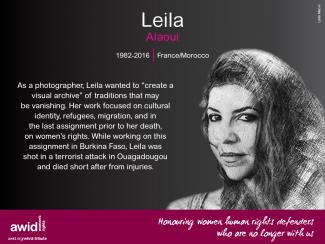
WHRDs are self-identified women and lesbian, bisexual, transgender, queer and intersex (LBTQI) people and others who defend rights and are subject to gender-specific risks and threats due to their human rights work and/or as a direct consequence of their gender identity or sexual orientation.

WHRDs are subject to systematic violence and discrimination due to their identities and unyielding struggles for rights, equality and justice.

The WHRD Program collaborates with international and regional partners as well as the AWID membership to raise awareness about these risks and threats, advocate for feminist and holistic measures of protection and safety, and actively promote a culture of self-care and collective well being in our movements.


Risks and threats targeting WHRDs  

WHRDs are exposed to the same types of risks that all other defenders who defend human rights, communities, and the environment face. However, they are also exposed to gender-based violence and gender-specific risks because they challenge existing gender norms within their communities and societies.

By defending rights, WHRDs are at risk of:

  • Physical assault and death
  • Intimidation and harassment, including in online spaces
  • Judicial harassment and criminalization
  • Burnout

A collaborative, holistic approach to safety

We work collaboratively with international and regional networks and our membership

  • to raise awareness about human rights abuses and violations against WHRDs and the systemic violence and discrimination they experience
  • to strengthen protection mechanisms and ensure more effective and timely responses to WHRDs at risk

We work to promote a holistic approach to protection which includes:

  • emphasizing the importance of self-care and collective well being, and recognizing that what care and wellbeing mean may differ across cultures
  • documenting the violations targeting WHRDs using a feminist intersectional perspective;
  • promoting the social recognition and celebration of the work and resilience of WHRDs ; and
  • building civic spaces that are conducive to dismantling structural inequalities without restrictions or obstacles

Our Actions

We aim to contribute to a safer world for WHRDs, their families and communities. We believe that action for rights and justice should not put WHRDs at risk; it should be appreciated and celebrated.

  • Promoting collaboration and coordination among human rights and women’s rights organizations at the international level to  strengthen  responses concerning safety and wellbeing of WHRDs.

  • Supporting regional networks of WHRDs and their organizations, such as the Mesoamerican Initiative for WHRDs and the WHRD Middle East and North Africa  Coalition, in promoting and strengthening collective action for protection - emphasizing the establishment of solidarity and protection networks, the promotion of self-care, and advocacy and mobilization for the safety of WHRDs;

  • Increasing the visibility and recognition of  WHRDs and their struggles, as well as the risks that they encounter by documenting the attacks that they face, and researching, producing, and disseminating information on their struggles, strategies, and challenges:

  • Mobilizing urgent responses of international solidarity for WHRDs at risk through our international and regional networks, and our active membership.

Related Content

Metodología de talleres

Próximamente

Metodología de talleres

¿Quieren juntar a distintas personas para fortalecer la resistencia? Esta metodología de talleres ofrece ejercicios grupales para incrementar el conocimiento y el poder colectivos, con opciones para adaptarlos a las distintas necesidades.

¡Próximamente!

Snippet - COP30 - Resisting Ecofascisms - EN

Resisting Ecofascisms: A cross-movement dialogue at COP30

How movements are resisting fascist agendas in relation to climate change.

📅 Tuesday, November 11, 2025 
📍 Beira Rio Hotel, Belém, Pará

Love letter to Feminist Movements #6

On love to a movement

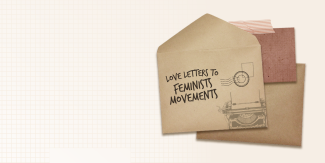
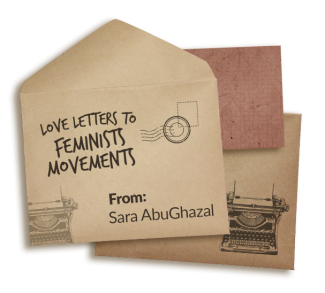
Kraft paper envelop that says Love letters to feminist movements from Sara AbuGhazal

How does a movement start?
we get expelled by ghosts from a house, a family, and a nation
we arrive fatigued to a space (sometimes an actual address) but mainly to a state of being
preceded by a fallen star 
perhaps our arrival isn’t accompanied by fatigue, 
maybe accompanied by fear 
perhaps our arrival isn’t accompanied by fear 
maybe accompanied by anger 
from issues that keep on repeating themselves: 
a stab in the heart (read heartache) 
a bullet in the back (read betrayal) 
forced disappearances 
bodies sentenced by marriage, disfiguration, and chronic fatigue 
yet when we arrive, we gather, whisper, speak and weep. 
This is how our movements begin when we arrive at each other 
We become seeds,
This is how our movements start when we plant each other
Becoming flowers, sometimes just thorns, sometimes fruits,
we are each other’s oasis
to sing for the battles 
to make remedies 
to place the faces of our lovers, the shape of their smiles, the sound of their laughter 
the secret of turning silences into language
the detailed instructions of witches
our movement is: for all of us
when we arrive as seeds with the purpose of flowering. 

Sara AbuGhazal
www.badiya.blog

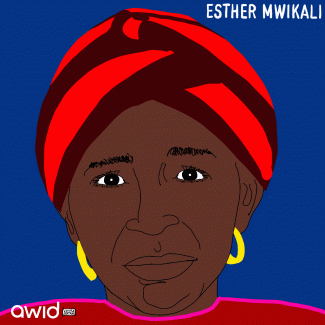
Esther Mwikali

Esther Mwikali’s home was in Mithini village, Murang’a County, Kenya. A prominent and valued land rights activist, she looked into abuses against squatters who are living on land claimed by tycoons. The investigation Esther was part of also involved land rights’ violations in Makuyu by powerful individuals.

After failing to attend a village meeting, a search party went looking for Esther. On 27 August 2019, two days after her disappearance, her body was found on a farm near her homestead, displaying signs of torture. She was brutally murdered. 

“Esther was renowned for her work to prevent community members being evicted from land claimed by tycoons. Local activists had no doubt her murder was related to the area’s ongoing land struggles, a tragic reminder of the alarming regularity with which extra-judicial killings are routinely carried out in Kenya,” - Global Witness Report, July 2020

“We associate Mwikali’s death with land struggles around here. We are asking the Government to investigate the matter without delay.” - James Mburu, spokesperson for the squatters

“Action should be taken on individuals who are alleged to have threatened the squatters including Mwikali's family.” - Alice Karanja, National Coalition of Human Rights Defenders

“The impact of her work and tenacity will remain alive in Kenya for decades. CJGEA consoles with the bereaved and it calls for justice.” - Center for Justice and Governmental Action (CJGEA) Press Release, 13 September 2019

Will there be a young feminist space? A disability justice space? A digital/tech hub? Funder coffee hours? Wellbeing and healing spaces?

We will share information about the program, the spaces, and the way for everyone to participate in shaping them, as soon as we can, and ways for you to participate in shaping them - on the road to the Forum, and during the Forum. Please stay tuned!

Crear | Résister | Transform: un recorrido por el Festival

Mientras el capitalismo heteropatriarcal continúa forzándonos al consumismo y el acatamiento, observamos que nuestras luchas están siendo compartimentadas y separadas por fronteras tanto físicas como virtuales. 

Y con los desafíos adicionales presentados por una pandemia global que todavía deben ser superados, esta estrategia de «divide y vencerás» ha sido favorable para la proliferación de la explotación en muchas áreas.

No obstante esto, desde el 1° hasta el 30 de septiembre de 2021, un festival para movimientos feministas! de AWID nos llevó a un viaje sobre lo que significa encarnar nuestras realidades en espacios virtuales. En el Festival se reunieron activistas feministas de todo el mundo, no solo para compartir experiencias de libertades duramente conquistadas, de resistencias y de solidaridades más allá de las fronteras, sino para articular lo que podría ser una forma transnacional de compañerismo.

Esta solidaridad tiene el potencial de desafiar las fronteras, tejiendo una visión del futuro que es transformadora, porque es abolicionista [del complejo industrial carcelario] y anticapitalista. A lo largo de un mes, a través de las infraestructuras digitales que ocupamos con nuestra cuiridad / queeridad, nuestra resistencia y nuestros imaginarios, el Festival nos mostró una forma de desviarnos de los sistemas que nos hacen cómplices de la opresión de otras personas y de nosotrxs mismxs.

Si bien Audre Lorde nos enseñó que las herramientas del amo nunca desarmarán la casa del amo, Sara Ahmed nos demostró que podemos utilizarlas en forma indebida. Dado que teníamos que dar espacio a la asamblea, y a pesar de todas las otras demandas sobre nuestro tiempo, fue posible imaginar una disrupción de la realidad del capitalismo heteropatriarcal.

Ahora bien, si entendemos la asamblea como una forma de placer, entonces, se hace posible establecer el vínculo entre el placer transgresor y la resistencia transnacional/transdigital: entre las clases de placer que desafían las fronteras por un lado, y la cuiridad / queeridad, lo camp, las luchas por la tierra y los movimientos indigenistas, el anticapitalismo y la organización política anticolonial por el otro.
 
Esta edición intentó captar un sentido de cómo el ejercicio de la asamblea en el Festival adoptó múltiples formas e imaginaciones. Además de contar con las colaboraciones directas de algunxs de sus conferencistas y soñadorxs, trajimos a una plétora de otras voces del Sur global para que conversaran sobre muchos de sus temas y sujetxs. Lo que sigue es una muestra de algunos de los paneles del Festival que más nos inspiraron.

Snippet - COP30 - Global Day of Action - ES

Día Mundial de Acción

Movimientos que marchan en todo el mundo por la justicia climática.

📅 Sábado, 15 de noviembre de 2025
📍 Varias ubicaciones

Más información aquí

Annonce: Forum AWID 2024

Image avec les mots: annonce: forum awid 2024. L'arrière-plan a une photo pâle du public lors du forum précédent et a un dégradé qui va du violet à gauche au jaune à droite.

Il est temps pour le prochain forum de l’AWID en 2024.

Lorsque des milliers de féministes se réunissent, nous créons une grande force de solidarité qui a le pouvoir de changer le monde. Le Forum de l’AWID sera pour nous un moment de repos et de guérison ensemble, de connexion au-delà des frontières et de découverte de nouvelles orientations stratégiques courageuses.

La date et le lieu seront annoncés l'année prochaine, dès que possible. Nous sommes ravi.es et nous savons que vous le serez aussi. Restez à l'écoute!

Assurez-vous de nous suivre sur les médias sociaux et de vous inscrire à notre liste de diffusion pour rester informé!

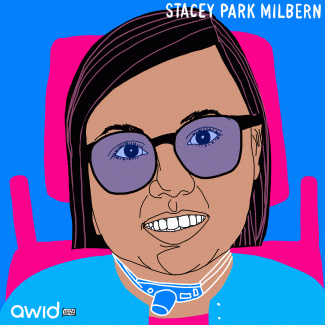
Stacey Park Milbern

"No sé mucho sobre la espiritualidad o lo que sucede cuando morimos, pero mi vida de coreana crip queer me hace pensar que nuestros cuerpos terrenales son sólo una fracción de lo que somos, y no considerar a nuestros antepasadxs es quedarse con solo un atisbo de lo que somos". - Stacey Park Milbern 

Stacey Park Milbern fue una mujer autodefinida como queer, con discapacidad y de color, además de una pionera. Líder y organizadora respetada y de amplia trayectoria en el movimiento por los derechos y la justicia para las personas con discapacidad, también defendió los derechos de muchas otras comunidades, y no solo los de la suya propia. El activismo de Stacey tenía raíces poderosas en su experiencia personal con las intersecciones del género, la discapacidad, la sexualidad y la raza.

Stacey, junto con algunxs amigxs, co-creó el Club de Cultura de Justicia para la Discapacidad, un grupo dedicado a apoyar a varias comunidades, especialmente aquellas más vulnerables, que, entre otras cosas, está ayudando a las personas sin hogar a acceder a recursos durante la pandemia del COVID-19.

También fue coproductora de una campaña con mucho impacto para el documental de Netflix "Crip Camp", integrante de la junta directiva de la Fundación WITH, y dirigió organizaciones a nivel local, estatal y nacional. Stacey escribió además de manera hermosa y poderosa:

"Mis antepasadxs son personas forzosamente separadas de sus amores a causa de la guerra y el desplazamiento. Es gracias a ellxs que hoy conozco el poder de construir un hogar con lo que tienes, dondequiera que estés, con quien quiera que estés. Mis antepasadxs son queers que vivieron en el sur de América. Es gracias a ellxs que entiendo la importancia de las relaciones, del lugar y de vivir la vida al máximo, aunque sea peligroso. Todxs mis antepasadxs conocen el anhelo. El anhelo es a menudo nuestro lugar de conexión..." - Stacey Park Milbern

Stacey nació en Seúl, Corea, y creció en Carolina del Norte, para después continuar con su viaje en el área de la bahía de San Francisco. Stacey falleció por complicaciones de una cirugía en su cumpleaños número 33, el 19 de mayo de 2020.


Para leer un ensayo de Stacey Park Milbern (en inglés)
Para escuchar una entrevista con Stacey Park Milbern (en inglés)
#StaceyTaughtUs: Record your story for the Disability Visibility Project (en inglés)

Tributos:

"Ella fue, como mucha gente diría, una líder nata. En cierta medida, ella lo abarcó todo. ¿Sabes? Ella supo liderar desde la primera línea, desde el medio y también desde atrás.  Era capaz de hacer todo eso de alguna manera." - Andraéa LaVant, activista por los derechos de las personas con discapacidad.

"Qué golpe perder a Stacey cuando nuestras comunidades necesitan de su liderazgo más que nunca, y en un momento en que su fuerza, perspicacia y agallas estaban recibiendo un mayor reconocimiento, más allá de los círculos de las personas con discapacidad, y le ofrecían una plataforma mayor para avanzar con el trabajo de su vida... No tendremos la suerte de aprender hasta dónde su carismático liderazgo nos habría llevado. Pero, sin ningún tipo de dudas: Lo que Stacey nos dio, en un tiempo relativamente corto, continuará beneficiando a otrxs en los próximos años". - Fondo de Educación y Defensa de los Derechos de las Personas con Discapacidad (DREDF, por sus siglas en inglés).
CFA 2023 - breadcrumbs Menu _ awid-forum-thai

Snippet Kohl - Plénière | S’organiser pour gagner!

Plénière | S’organiser pour gagner!

avec Nazik Abylgaziva, Amaranta Gomez Regalado, Cindy Weisner et Lucineia Freitas.

YOUTUBE

Snippet - COP30 - Feminist Demands for COP30 col 2

What We Demand:

  • Climate finance as reparations: grants, not loans
  • Direct funding to frontline communities
  • Phasing out fossil fuels NOW
  • Defunding military and prison complexes
  • Corporate accountability mechanisms
  • Enabling environments for feminist alternatives to thrive
  • The liberation of Palestine, Congo and Sudan
  • Debt cancellation and an end to austerity
  • Rapid, direct and flexible funding to frontline communities
  • Decolonial feminist just transitions

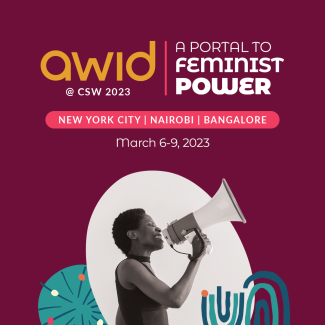
AWID at CSW67: a Portal to Feminist Power

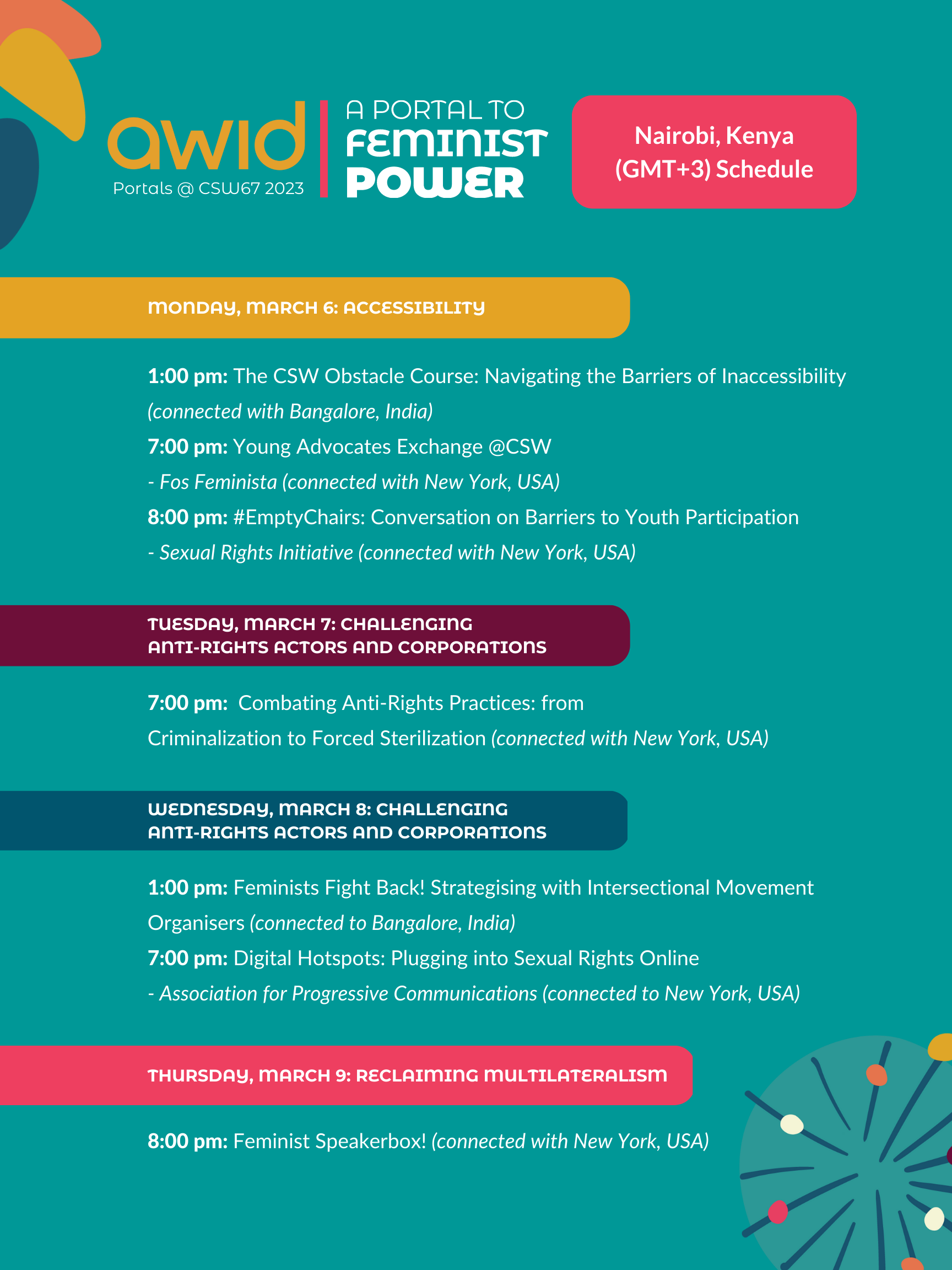
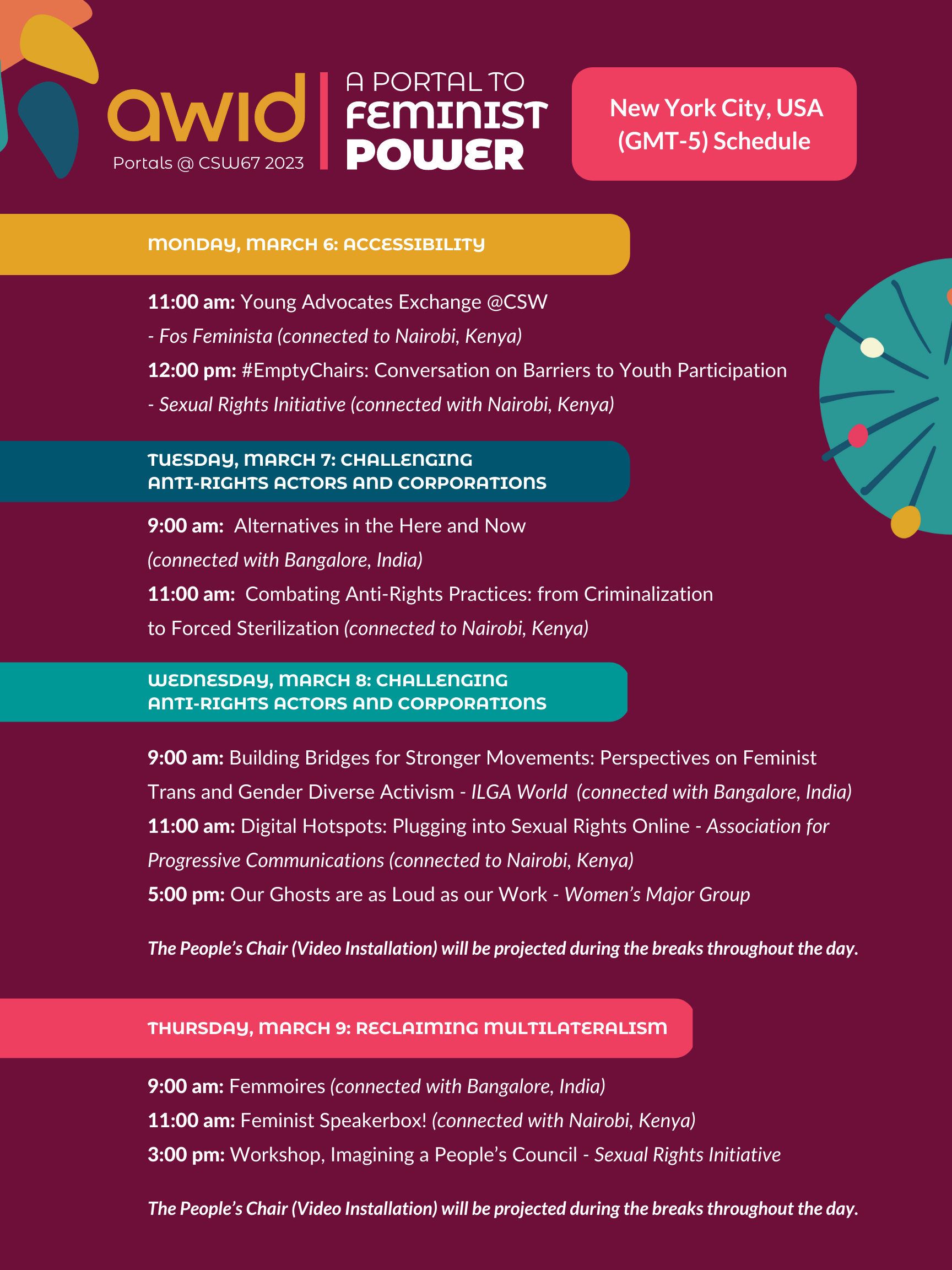
Imagine opening a door which takes you into a conversation with feminist activists in other continents. This portal will transcend the barriers of UN CSW by pushing beyond language barriers, unaffordable travel, unequal protection from COVID19, and racist visa regimes.

This week, we’re putting a virtual spin on CSW by connecting and amplifying feminist activists' voices, to challenge the discriminatory barriers that limit participation and influence. By setting up connecting “portals” in New York City, Nairobi & Bangalore, we'll host a physical-virtual hybrid space for feminists to connect their struggles and build collective power.


Follow us to join the livestreams:

YouTube Facebook

And stay updated following us over:
Instagram Twitter


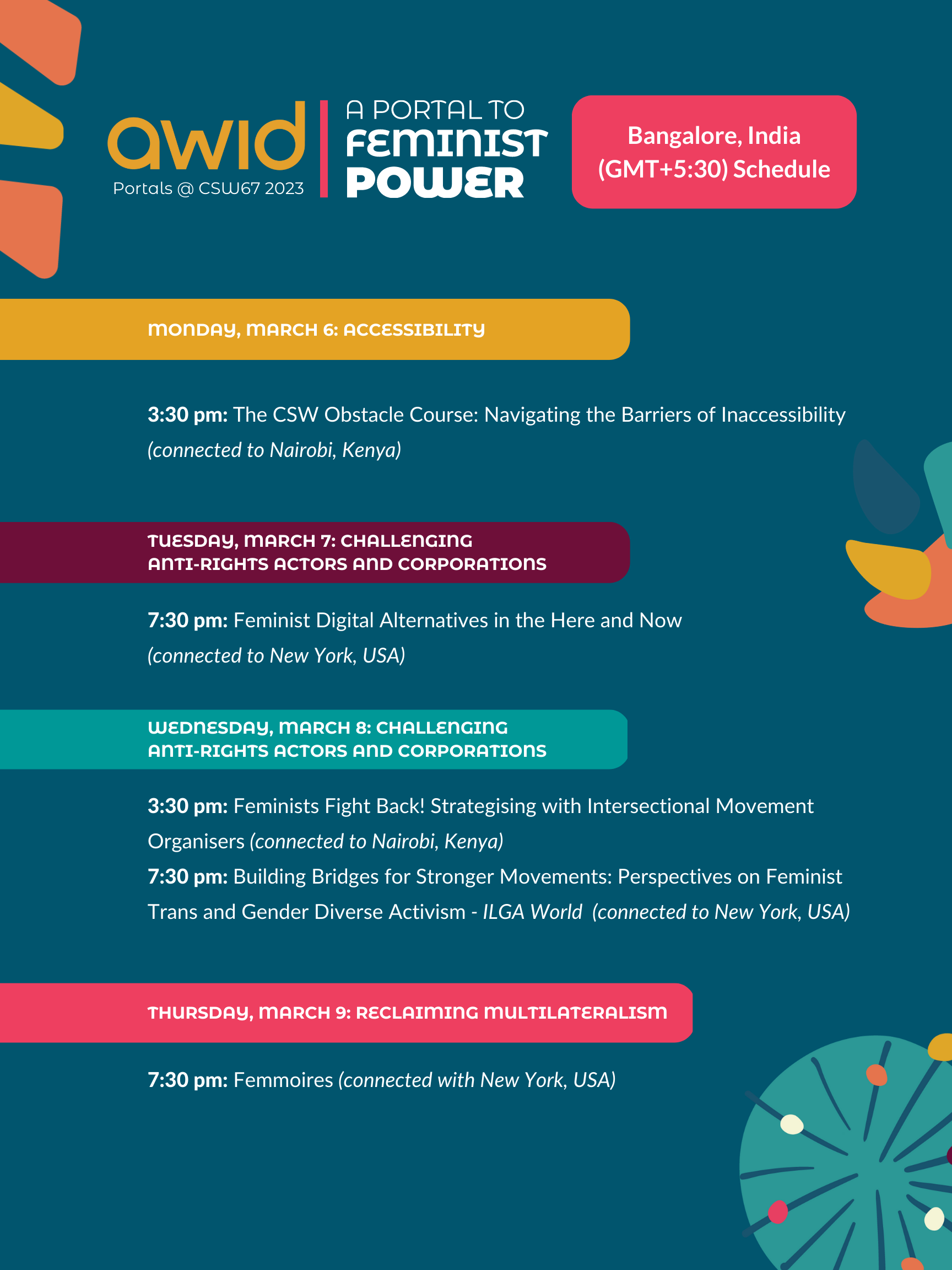
Graphic for the Announcement of AWID's participation in CSW 2023 with Portals

What are we covering? 

Day 1: March 6 - Accessibility

Day 2: March 7- Challenging Anti-Rights Actors And Corporations

Day 3: March 8 - Challenging Anti-Rights Actors And Corporations

Day 4: March 9- Reclaiming Multilateralism


Find the program for this week's activities here: 

Download full program here (PDF)

Bangalore Schedule (PNG)  Nairobi Schedule (PNG) New York City Schedule (PNG)

CFA 2023 - Who, where, when - FR

Quand : du 2 au 5 décembre 2024
Où : Bangkok, Thaïlande; et en ligne
Qui : Environ 2 500 féministes du monde entier participant en personne, et 3 000 participant virtuellement

Sexting Like a Feminist: Humor in the Digital Feminist Revolution | Title Snippet

Sextoter comme une féministe : humour et révolution féministe numérique

par Chinelo Onwualu

Snippet - COP30 - Ecozine card - FR

📰 La solidarité féministe transnationale : un antidote à l’écocide

Ce fanzine collectif est issu d’une série de cercles de partage organisés en 2022, rassemblant des féministes des quatre coins du monde. Ces rencontres visaient à partager des expériences et à s’enrichir mutuellement pour découvrir comment les communautés réagissent à la crise climatique dans divers contextes locaux.

Téléchargez le fanzine

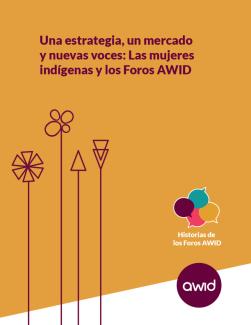
Una estrategia, un mercado y nuevas voces: Las mujeres indígenas y los Foros AWID

Portada para Una estrategia, un mercado y nuevas voces: Las mujeres indígenas y los Foros AWID Historias


Esta historia es sobre la manera en que un grupo cada vez más diverso de feministas del Pacífico se organizaron a lo largo de los años para asistir a los Foros de AWID, y el modo en que ese proceso lxs transformó en forma personal, como organizaciones y como movimiento a través de lo que aprendieron, descubrieron y experimentaron. Ilustra la importancia de los Foros como espacio que permitió que una región que tiende a ser marginada o ignorada a nivel global pueda construir una presencia sólida en el movimiento feminista, que luego es replicada en otros espacios internacionales de derechos de las mujeres.

Descarga esta historia


En sus propias voces: mira la entrevista con María Manuela Sequeira & Mónica Alemán


Conoce todas las historias Descarga el reporte completo