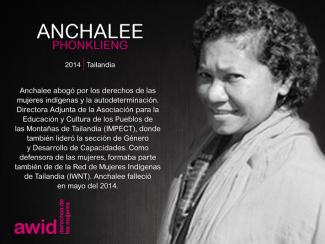
Anchalee Phonklieng
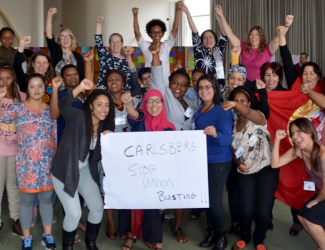
Women human rights defenders (WHRDs) worldwide defend their lands, livelihoods and communities from extractive industries and corporate power. They stand against powerful economic and political interests driving land theft, displacement of communities, loss of livelihoods, and environmental degradation.
Extractivism is an economic and political model of development that commodifies nature and prioritizes profit over human rights and the environment. Rooted in colonial history, it reinforces social and economic inequalities locally and globally. Often, Black, rural and Indigenous women are the most affected by extractivism, and are largely excluded from decision-making. Defying these patriarchal and neo-colonial forces, women rise in defense of rights, lands, people and nature.
WHRDs confronting extractive industries experience a range of risks, threats and violations, including criminalization, stigmatization, violence and intimidation. Their stories reveal a strong aspect of gendered and sexualized violence. Perpetrators include state and local authorities, corporations, police, military, paramilitary and private security forces, and at times their own communities.
AWID and the Women Human Rights Defenders International Coalition (WHRD-IC) are pleased to announce “Women Human Rights Defenders Confronting Extractivism and Corporate Power”; a cross-regional research project documenting the lived experiences of WHRDs from Asia, Africa and Latin America.
"Women Human Rights Defenders confronting extractive industries: an overview of critical risks and Human Rights obligations" is a policy report with a gender perspective. It analyses forms of violations and types of perpetrators, quotes relevant human rights obligations and includes policy recommendations to states, corporations, civil society and donors.
"Weaving resistance through action: Strategies of Women Human Rights Defenders confronting extractive industries" is a practical guide outlining creative and deliberate forms of action, successful tactics and inspiring stories of resistance.
The video “Defending people and planet: Women confronting extractive industries” puts courageous WHRDs from Africa, Asia, and Latin America in the spotlight. They share their struggles for land and life, and speak to the risks and challenges they face in their activism.
Challenging corporate power: Struggles for women’s rights, economic and gender justice is a research paper outlining the impacts of corporate power and offering insights into strategies of resistance.
AWID acknowledges with gratitude the invaluable input of every Woman Human Rights Defender who participated in this project. This project was made possible thanks to your willingness to generously and openly share your experiences and learnings. Your courage, creativity and resilience is an inspiration for us all. Thank you!
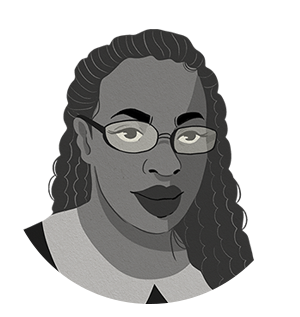
تشينيلو أونوالو، مستشارة في الشؤون التحرِيرية، مع 10 سنوات من الخبرة في صياغة الاتصالات الاستراتيجية للمنظمات غير الربحية في جميع أنحاء العالم. من بين عملائها منظمة ActionAid Nigeria و BBC World Trust و Open Society Initiative for West Africa و AWID. حائزة على درجة الماجستير في الصحافة من جامعة سيراكيوز. عملت كاتبة ومحررة وباحثة في نيجيريا وكندا والولايات المتحدة. وهي أيضًا محررة في مجلة Anathema والمؤسس المشارك في Omenana، وهي مجلة من قصص الخيال الأفريقي. ظهرت قصصها القصيرة في العديد من المختارات الحائزة على جوائز، ورُشّحت لجوائز الخيال العلمي البريطانية، وجوائز نومو للخيال الأفريقي المضارب، وجائزة يوم القصة الافريقية القصيرة. تشينيلو من نيجيريا لكنها تعيش في تورنتو مع شريكها وطفلها.

#MeToo in China Exhibition was first held in 2019 and toured in 5 cities. The aim of the exhibition is to bring the personal experiences of the victims and activists to greater prominence and, through engagement with these stories, to inspire our audience to join in the fight. The exhibition has itself become a part of the #MeToo struggle—the exhibition has been beset by challenges on its tour throughout China, on more than one occasion even facing closure.
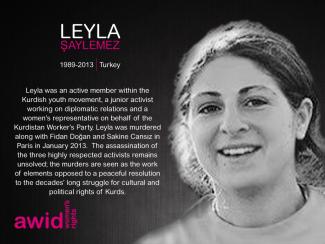
Ika Vantiani es una artista, curadora y artesana de Yakarta, Indonesia. Su obra explora la idea de ser mujer en la sociedad actual, en la cual los medios de comunicación y el consumo están entretejidos. Ika usa la disciplina del collage, y la expande al arte callejero, a talleres e instalaciones. Integra colectivos artísticos tales como Micro Galleries, The Collage Club y It’s In Your Hands Collective.
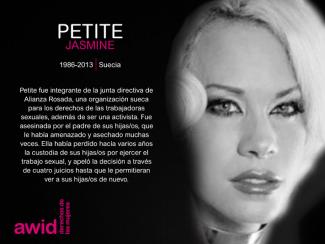

We ramped up preparations for the 13th AWID international Forum, focused a lot of energy on the Post 2015 Development Agenda and Financing for Development processes, and continued the core work of our priority areas:
In response, we are moving out of our silos.
Increasingly, women’s rights and other movements worldwide are articulating the systemic and intersectional nature of these and other problems. We are making better connections with the agendas of other social and environmental movements for solidarity, alliance building and collective responses. We are also seeing greater visibility of these movements fighting for justice on the ground.

Découvrez ces projets élaborés par les équipes de l'AWID pour promouvoir le plaidoyer et les perspectives féministes.
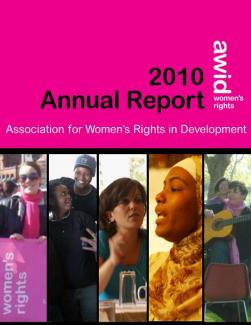
Our 2010 Annual Report highlights the major accomplishments of each of our strategic initiatives during the year.
Along with activity highlights, we include a brief analysis of the impact of our initiatives as well as reflections from our members and partners that further illustrate the relevance of AWID’s work and its connection to broader women’s rights movements.
This interactive document is complete with links to our websites and recent publications with in-depth information on the issues we address in the report.
Manal Tamimi Palestine
Bubulina Moreno, Colombia
Karolina Więckiewicz, Poland
Anwulika Ngozi Okonjo, Nigeria
If your activity is accepted, you will be contacted by the AWID team to assess and respond to interpretation and accessibility needs.
 |
Asamblea Placentera: Tejiendo Proyectos Feministas ColaborativosGhiwa Sayegh, Kohl: A Journal for Body and Gender Research De brujeria, chamanismo y otros conocimientos insurrectos contra el patriarcadoSofía Blanco Sixtos, Colectiva Feminista MAPAS |
2-5 ديسمبر 2024، بانكوك، تايلاند! سنجتمع في مركز الملكة سيريكيت الوطني للمؤتمرات (QSNCC) وكذلك افتراضيا عبر
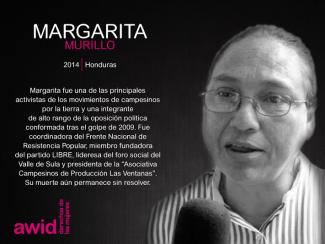
Margarita is a feminist and LGBTIQA activist from Latin America; her passion is social transformation and collective wellbeing. She holds degrees in Psychology, Communications and Public Administration, as well as certificates in Public Policy, Leadership, Management & Decision Making. In her professional capacity, Margarita has had extensive experience with grassroots organizations, national and regional NGOs, universities and the public sector, developing facilitation, capacity building, political advocacy, communications & policy assessment.