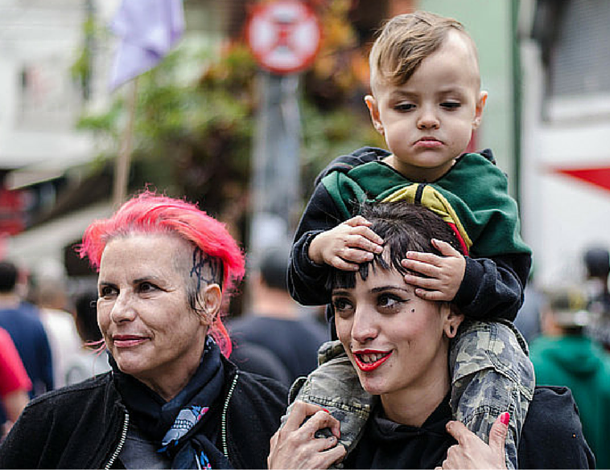
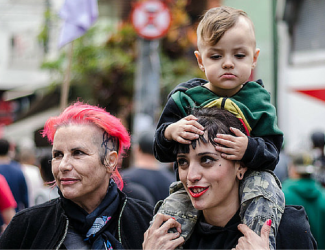
Flickr/Leonardo Veras (CC BY 2.0)

Protection of the Family

The Issue

Over the past few years, a troubling new trend at the international human rights level is being observed, where discourses on ‘protecting the family’ are being employed to defend violations committed against family members, to bolster and justify impunity, and to restrict equal rights within and to family life.

The campaign to "Protect the Family" is driven by ultra-conservative efforts to impose "traditional" and patriarchal interpretations of the family, and to move rights out of the hands of family members and into the institution of ‘the family’.

“Protection of the Family” efforts stem from:

  • rising traditionalism,
  • rising cultural, social and religious conservatism and
  • sentiment hostile to women’s human rights, sexual rights, child rights and the rights of persons with non-normative gender identities and sexual orientations.

Since 2014, a group of states have been operating as a bloc in human rights spaces under the name “Group of Friends of the Family”, and resolutions on “Protection of the Family” have been successfully passed every year since 2014.

This agenda has spread beyond the Human Rights Council. We have seen regressive language on “the family” being introduced at the Commission on the Status of Women, and attempts made to introduce it in negotiations on the Sustainable Development Goals.


Our Approach

AWID works with partners and allies to jointly resist “Protection of the Family” and other regressive agendas, and to uphold the universality of human rights.

In response to the increased influence of regressive actors in human rights spaces, AWID joined allies to form the Observatory on the Universality of Rights (OURs).  OURs is a collaborative project that monitors, analyzes, and shares information on anti-rights initiatives like  “Protection of the Family”.

Rights at Risk, the first OURs report, charts a map of the actors making up the global anti-rights lobby, identifies their key discourses and strategies, and the effect they are having on our human rights.   

The report outlines “Protection of the Family” as an agenda that has fostered collaboration across a broad range of regressive actors at the UN.  It describes it as: “a strategic framework that houses “multiple patriarchal and anti-rights positions, where the framework, in turn, aims to justify and institutionalize these positions.”


Related Content

Snippet FEA We are living in a world (ES)

Vivimos en un mundo donde la destrucción de la naturaleza alimenta nuestra economía global actual.

Incluso en tiempos de crisis climática, los gobiernos continúan alentando el crecimiento de las industrias agrícolas a gran escala. Estas actividades envenenan la tierra, amenazan la biodiversidad y destruyen la producción de alimentos y los medios de vida locales. Mientras tanto, aunque las mujeres producen la mayoría de nuestros alimentos en el mundo, casi no poseen tierra.

¿Qué pasaría si percibiéramos la tierra y la Naturaleza no como una propiedad privada para ser explotada, sino como una totalidad con la cual aprender y coexistir en armonía? ¿Y si repararíamos nuestras relaciones con la tierra y adoptaríamos alternativas más sostenibles que nutran tanto al planeta como a sus comunidades?

Nous Sommes la Solution (Somos la Solución, NSS) es uno de los muchos movimientos liderados por mujeres que se esfuerzan por lograr este objetivo.

Esta es su historia.

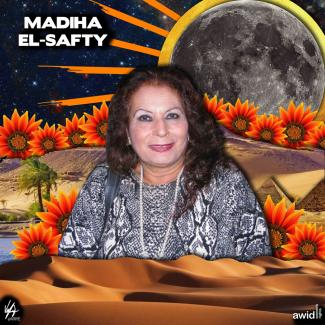
Madiha El Safty

Madiha was a prominent Professor of Sociology who actively engaged with civil society as an advocate for women’s rights in the Arab region.

She chaired the Alliance for Arab Women and was a member of the Committee on Civil Society and the Committee on the Development of Minia Governorate with the National Council for Women. She produced numerous papers that shed light on, and analyzed, gender inequalities and discrimination against women.

She is remembered fondly by colleagues, students and friends.


Madiha El Safty, Egypt

هل مشاركتي سريّة؟

أكيد. سيتم محي اجوبتك بعد عملية معالجة المعطيات وتحليلها وسيتم استعمالها لأهداف بحثية فقط. لن تتم أبداً مشاركة المعطيات خارج AWID وسيتم معالجتها فقط عن طريق طاقم AWID والمستشارات/ين اللواتي/ اللذين يعملن/وا في مشروع "أين المال" معنا. خصوصيتكم/ن وسرّيتكم/ن هي في أعلى سلم أولوياتنا. سياسة الخصوصية متواجدة هنا.

Pourquoi et comment renouveler votre adhésion de l'AWID

Rencontrez d'autres membres

Nos membres individuel-le-s et institutionnels viennent de 163 pays situés dans TOUTES les régions du monde. Les dernier-ère-s membres à avoir rejoint notre association viennent de l’Inde, du Royaume-Uni, du Sri Lanka et du Kirghizistan. Nos membres contribuent un éventail riche et diversifié de perspectives, d’expériences, de connaissances, d’énergie et d’inspiration !

Connaissez-vous nos profils hebdomadaires de membres ?

En tant que membre de l’AWID, vous pourrez, entre autres avantages, voir votre propre histoire figurer dans la newsletter que nous envoyons à 35,000 abonné-e-s et que nous diffusons par le biais des médias sociaux auprès de 60,000 personnes.

Récemment en vedette :

Rencontrez Angila Ashitua, une jeune femme du comté de Vihiga, situé dans l’ouest du Kenya.

Rencontrez d'autres membres


Connectez, Inspirez, Mobilisez !

Comment ?

Et bien plus encore !

Vous pouvez renouveler votre adhésion pour une période d’1, 2 ou 3 ans. Nous offrons la possibilité d’une adhésion individuelle ou institutionnelle gratuite à ceux et celles dont les revenus ou budgets sont restreints.

Renouvelez votre adhésion dès aujourd’hui !

Si vous rencontrez des difficultés lors de votre identification en ligne et avez besoin d’aide, n’hésitez pas à me contacter à l’adresse suivante : membership@awid.org


Les témoignages de nos membre

« Nous trouvons que l’AWID est un réseau particulièrement stimulant et nous nous impliquons dans beaucoup de ses plateformes. » – Engabu Za Tooro (membre institutionnel de l’AWID)

« Je me réjouis d’entamer une collaboration fructueuse avec l’équipe. J’en suis très heureuse. Merci de m’avoir acceptée parmi vos membres. » – R. Chakraborty (membre individuelle de l’AWID)

« Je tiens à remercier infiniment l’AWID ! Vous accomplissez un travail gigantesque. Vos efforts sont grandement appréciés. » – E. Khan (membre individuelle de l’AWID)

Snippet FEA Agroecology And Food (ES)

AGROECOLOGÍA Y SOBERANÍA ALIMENTARIA COMO RESISTENCIA

Hoy en día, la producción industrial de alimentos a gran escala utiliza plantaciones de monocultivo, organismos genéticamente modificados y otros pesticidas que destruyen la tierra y el conocimiento de las comunidades locales.

La agroecología es una resistencia a la agricultura hiper-industrializada utilizada por las multinacionales. La agroecología prioriza la agricultura a pequeña escala, los cultivos múltiples y la producción de alimentos diversificados, al tiempo que se centra en el conocimiento y las prácticas tradicionales locales. La agroecología va de la mano con los reclamos de soberanía alimentaria, o el "derecho de los pueblos a alimentos sanos y culturalmente apropiados producidos por métodos ecológicamente racionales y sostenibles, y su derecho a definir sus propios sistemas alimentarios y agrícolas" (Vía Campesina, Declaración de Nyéléni).

El papel de las mujeres, las comunidades indígenas y rurales y las personas racializadas en los países del Sur Global es fundamental para mantener los sistemas alimentarios. Lxs agroecologistxs feministas trabajan para desmantelar los roles de género opresivos y los sistemas patriarcales arraigados en la producción de alimentos. Como lo muestran las heroínas de Nous Sommes la Solution, generan una agroecología liberadora al fortalecer la resiliencia de las comunidades, empoderar a las mujeres campesinas y agricultoras mientras preservan las tradiciones locales, los territorios y los conocimientos de las comunidades productoras de alimentos.

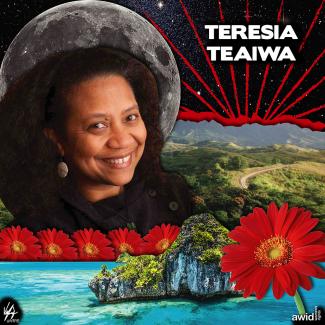
Teresia Teaiwa

Retratada en The Guardian como uno de los íconos nacionales de Kiribati, Teresia fue una valiente activista.

Trabajó estrechamente con los grupos feministas en Fiji y que puso sus investigaciones al servicio de las cuestiones feministas y de género en el Pacífico. Además, fue coeditora de la publicación International Feminist Journal of Politics. Su influencia se extendió desde la frontera académica hasta los movimientos por la justicia social en la región de Oceanía.


Teresia Teaiwa, Fiji

Как долго будет доступен опрос?

Опрос будет доступен до конца августа 2024 года. Пожалуйста, заполните его в течение этого срока, чтобы ваши ответы были включены в анализ.

8. Finalize and format

Your comprehensive research product is now all organized and edited. You now want to ensure your findings are visually accessible and appealing to facilitate the dissemination.

In this section

Package your long report for public dissemination

Consider developing smaller products along with your long report.

As mentioned in the “Synthesize your research findings,” AWID often pulls smaller products from the lengthy research report. This allows for wider and easier distribution specialized for key audiences.

Always keep your targeted population in mind: who will read your report?

Examples of smaller products distilled from a larger report:

  • Infographics
  • Online gallery
  • An animation presenting your arguments

1. Think as your audience thinks

People are bombarded with information constantly. Your product will have to be visually compelling to maintain the interest of your audience. Again, having an idea of what you hope to accomplish and who you hope to reach, will allow the designer to create targeted products.

A lengthy written PDF report may seem the only way to present your research, but it could appear overwhelming to most people – especially online.

If you want to share your product with an online community, think about creating memes and infographics to use on social media, blogs and web platforms.

When deciding whether to create smaller products, consider dividing your results into several smaller products that you could share with targeted populations or at different times of the year to reactivate the interest on your product.

2. Work with a professional designer

If you have limited time and a little bit of budget, we recommend hiring a design firm.

It can be tempting for economic reasons to use in-house staff to package your report. However, a professional graphic designer can make a huge difference on how your final product looks and thus on how much impact it will have!

The designer (in-house or hired) must be able to:

  • Show you samples of their previous work that is similar to what you seek.

  • Provide you clear advice on how to present your research based on the content you provide and the audience you are targeting.

  • Suggest additional or different pieces to package your product.

What the designer will need from you:

  • A general idea on what you would like the lengthy report to highlight through visuals and graphics (what are the most important pieces of information, the key findings, for example) and some ideas on the types of smaller products you want to create (brochure, an infographic, a series of viral memes, for example). If possible, show the designer examples of similar documents developed by other organizations.
  • Your budget and time frame.
  • Your organization’s visual guidelines if you have any (logo, official colours, fonts, etc...).
  • A few photos copyright free or access to your photo bank if you have one.
  • Key visuals that need to be included – graphs, tables and other visual graphics drawn from your research.

The designer is a graphic expert. S/he is not necessarily familiar with women’s issues and does not know the results of your research, especially if you hire an external firm.

Communicate what elements of this report is important to you and who is your target. The designer will propose a way to highlight these elements and make the whole piece appealing to your users.

3. Make sure it's consistent

While creating a set of smaller information products, do not forget to link them all together:

  • A shorter version of the report that focuses only on your final results and recommendations should present a link to the final, full report
  • A visually compelling infographic that sends a message on the state of funding for your particular research can link to your website and the related section of the full report. It should be associated with a call to share on social media.
  • A short animation video that uses the data, findings and recommendations from your report should link back to your organization website and social media
  • A series of viral memes that can be distributed online should link back to your report, infographic, shorter report, etc.

It is also important to keep the research staff involved, so they can ensure any offshoot products stay true to the actual findings of the research.

Back to top


Control the quality of the translations

After the design and packaging of the final research report is complete, if any of the wording of content was changed, be sure to re-send to translators.

If you create smaller products, once designed and packaged, you will also need to get the copy translated for those pieces. The translations should be clear enough so the designer can apply to the design, even if she/he does not speak the language.

Once translated, make sure to have your design proofread by a native speaker before sharing it!

Back to top


Previous step

7. Synthesize your research findings

Next step

9. Advocate and tell the world


Estimated time:

• 2-3 months

People needed:

• 1 or more research person(s)
• 1 or more editor
• Design staff or hiring design firm
• Translator(s), if necessary

Resources needed:

• List of online spaces for dissemination


Previous step

7. Synthesize your research findings

Next step

9. Advocate and tell the world


Ready to Go? Worksheet

Download the toolkit in PDF

Snippet FEA Bio fertilizer and Sum-Pack (FR)

    ILLUSTRATION DES PRODUITS NSS : Engrais bio et Sum-Pack - Cubes de bouillon naturel

Stella Mukasa

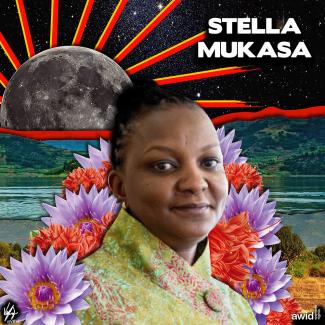
Stella a commencé sa carrière au ministère du Genre et du Développement communautaire en Ouganda. Elle œuvrait auprès des décideurs-euses politiques, pour encourager des réformes législatives, dont celle de la Constitution ougandaise en 1995 qui a entériné certaines des réformes les plus progressives pour les femmes dans la région.

Elle était adorée dans la région tout entière pour ses incessants efforts pour la création et l’application de lois et politiques sensibles au genre. Elle a joué un rôle clé dans l’ébauche de la loi sur les violences domestiques en Ouganda. Elle a aussi contribué à une mobilisation importante en faveur de Constitutions sensibles au genre à la fois en Ouganda et au Rwanda.

Par son travail au Centre international de recherches sur les femmes (International Center for Research on Women, ICRW), elle a abordé les thématiques de la violence à l’égard des enfants. Stella s’est attachée à renforcer les organisations locales qui luttent contre les violences basées sur le genre. Conférencière en Droits genrés et loi à l’université Makerere, elle a également siégé aux conseils d’administration d’Akina Mama wa Afrika, ActionAid International Uganda et l’Open Society Initiative for Eastern Africa.


Stella Mukasa, Uganda

Snippet - Home page promo WITM - EN

"Where is the money for feminist organizing?"

Building on our 20-year history of mobilizing more and better funding for feminist-led social change, AWID invites you to complete the new iteration of our flagship survey, WITM.

START THE SURVEY Learn more

Nuestra visión: La justicia económica en un mundo feminista

En nuestra lucha por la justicia de género, económica, social y ambiental, en la paz, lxs feministas sabemos que no existe una sola receta para el éxito sino una gama de posibilidades que pueden y hacen que sucedan los cambios.


El menú de opciones es tan diverso como lo son nuestros movimientos y las comunidades en las que vivimos y luchamos.

Antes de atrevernos a presentar algunas de las formas en que lxs feministas nos imaginamos un mundo diferente, aquí están los principios que sostienen nuestras propuestas:

1. Desarrollo autodeterminado desde lo local hasta lo global

Creemos que no existe un modelo único aplicable a todxs y que todxs tienen derecho a reivindicar la construcción de ese otro mundo posible, como lo expresa el lema del Fondo Mundial..

Esto incluye el derecho a participar en la gobernabilidad democrática y de influir sobre el propio futuro, en el ámbito político, social y cultural.

La autodeterminación económica permite que los pueblos controlen sus recursos naturales y los utilicen de manera colectiva o para los fines que ellos mismos decidan. Además, la autonomía económica de las mujeres es fundamental para mitigar la naturaleza a menudo cíclica de la pobreza y la falta de educación, seguridad y protección.

2. Los derechos, la igualdad sustantiva y la justicia ocupan un lugar central en la economía

El principio de la igualdad sustantiva o de facto forma parte de la Convención sobre la Eliminación de Todas las Formas de Discriminación contra las Mujeres (CEDAW) y de otros instrumentos internacionales de derechos humanos. Es fundamental para el desarrollo y para lograr una economía justa ya que afirma que todos los seres humanos nacen libres e iguales.

La no discriminación forma parte intrínsecamente del principio de igualdad que garantiza que a nadie se le nieguen sus derechos por factores como la raza, el género, el idioma, la religión, la orientación sexual, la identidad de género, las opiniones políticas o de otra clase, el origen nacional o social, la propiedad o el nacimiento.

La dignidad intrínseca de todas las personas sin distinción alguna debe ser afirmada y respetada. Si bien los Estados tienen la responsabilidad de garantizar el uso de los máximos recursos de que disponen para la realización de los derechos humanos, la reivindicación de los derechos y la dignidad configura sobre todo un espacio clave para las luchas de la sociedad civil y la movilización popular.

3. Distribución justa para todxs, sin monopolización (el principio de la anticodicia)

Este principio, que se ejerce mediante esfuerzos organizados para transformar instituciones injustas, guía la recuperación del equilibrio entre «participación» (entrada) y «distribución» (salida) cuando se ha violado cualquiera de esos dos principios.

Implica ponerle un límite a toda acumulación monopólica de capital y otros abusos de la propiedad. Este concepto se apoya en un modelo económico que gira en torno a la ecuanimidad y la justicia.

4. La solidaridad entre feministas y entre movimientos es fundamental

Para que se produzcan cambios, necesitamos redes feministas fuertes y diversas. Necesitamos movimientos que construyan solidaridad desde lo personal hacia lo político, desde lo local a lo global, y viceversa.

La construcción de poder colectivo a través de los movimientos sociales ayuda a convertir la lucha por los derechos humanos, la igualdad y la justicia en una fuerza política para el cambio que no puede ser ignorada.

 «Únicamente los movimientos pueden crear cambios sostenidos a niveles que las políticas y las leyes solas no pueden alcanzar»


Para leer más sobre este tema, consulta Batliwala, S: 2012 «Cambiando el mundo: Conceptos y prácticas de los movimientos de mujeres», 2da edición. AWID.


Ver también

Las 5 grandes amenazas

¿Cómo se originó este proyecto?
Snippet FEA Avellaneda, Gran Buenos Aires (EN)

Avellaneda, Gran Buenos Aires, Argentina

Cooperativa Textil Nadia Echazú

WEAVING

LIVES

Selena “Rocky” Malone

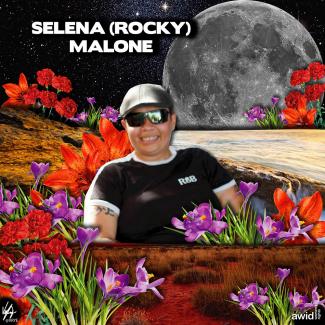
Rocky showed inspirational leadership and direction in working with Lesbian, Gay, Bisexual, Transgender, Intersex, Queer, Brotherboy and Sistergirl (LGBTIQBBSG) youth at risk.

Rocky started her career with the Queensland Police Service as a Police Liaison Officer. Making a difference was important to her. She led an impressive career working with young LGBTIQBBSG people as the Manager of Open Doors Youth Service.

Rocky worked through complex situations with clients relating specifically to gender and sexual identity. She was a natural in this line of work - a strong community leader, a quiet achiever, a loyal friend, a compassionate nurturer, and a change maker. Rocky was a founding member of IndigiLez Leadership and Support Group.

In 2016 at the Supreme Court in Brisbane, Former High Court Justice Michael Kirby mentioned Rocky by name when praising the work of the LGBTI Legal Service over the years. Rocky fought extremely hard for the human rights of the LGBTIQBBSG community, pushed boundaries and created change in a respectful, loving way.  


Rocky Malone, Australia