Over the past few years, a troubling new trend at the international human rights level is being observed, where discourses on ‘protecting the family’ are being employed to defend violations committed against family members, to bolster and justify impunity, and to restrict equal rights within and to family life.
The campaign to "Protect the Family" is driven by ultra-conservative efforts to impose "traditional" and patriarchal interpretations of the family, and to move rights out of the hands of family members and into the institution of ‘the family’.
“Protection of the Family” efforts stem from:
rising traditionalism,
rising cultural, social and religious conservatism and
sentiment hostile to women’s human rights, sexual rights, child rights and the rights of persons with non-normative gender identities and sexual orientations.
Since 2014, a group of states have been operating as a bloc in human rights spaces under the name “Group of Friends of the Family”, and resolutions on “Protection of the Family” have been successfully passed every year since 2014.
This agenda has spread beyond the Human Rights Council. We have seen regressive language on “the family” being introduced at the Commission on the Status of Women, and attempts made to introduce it in negotiations on the Sustainable Development Goals.
Our Approach
AWID works with partners and allies to jointly resist “Protection of the Family” and other regressive agendas, and to uphold the universality of human rights.
In response to the increased influence of regressive actors in human rights spaces, AWID joined allies to form the Observatory on the Universality of Rights (OURs). OURs is a collaborative project that monitors, analyzes, and shares information on anti-rights initiatives like “Protection of the Family”.
Rights at Risk, the first OURs report, charts a map of the actors making up the global anti-rights lobby, identifies their key discourses and strategies, and the effect they are having on our human rights.
The report outlines “Protection of the Family” as an agenda that has fostered collaboration across a broad range of regressive actors at the UN. It describes it as: “a strategic framework that houses “multiple patriarchal and anti-rights positions, where the framework, in turn, aims to justify and institutionalize these positions.”
Related Content
Snippet FEA We are living in a world right (FR)
Nous vivons dans un monde où la destruction de la Nature alimente notre économie mondiale actuelle. Même en période de crise climatique, les gouvernements continuent d'encourager les industries agricoles à grande échelle à se développer. Ces activités empoisonnent la terre, menacent la biodiversité et détruisent la production alimentaire et les moyens de subsistance locaux. Pendant ce temps, alors que les femmes produisent la majorité de la nourriture dans le monde, elles ne possèdent presque aucune terre.
Et si nous percevions la terre et la Nature non pas comme une propriété privée à exploiter, mais comme une totalité avec laquelle vivre, apprendre et coexister harmonieusement ? Et si nous réparions nos relations avec la terre et adoptions des alternatives plus durables qui nourrissent à la fois la planète et ses communautés?
Nous Sommes la Solution (NSS) est l'un des nombreux mouvements dirigés par des femmes qui s'efforcent d'atteindre cet objectif.
Voici leur histoire.
Snippet - Blog post Quote_ES
"Creemos que este es el momento para continuar organizándonos desde la solidaridad, la esperanza y la imaginación radical."
- Beijing+30 & CSW: La construcción de significados feministas en tiempos de policrisis
Bessy Ferrera a défendu sans relâche les droits humains des personnes trans, travailleuses du sexe et séropositives au Honduras.
Bessy était aussi membre d’Arcoíris, une organisation qui soutient la communauté LGBTI+. Elle était en outre la personne référente de la plateforme Derechos aquí y Ahora (les droits ici et maintenant) au Honduras et plaidait fermement en faveur d’une pleine citoyenneté pour les personnes trans, ainsi que pour l’adoption d’une loi sur l’identité de genre qui permettrait aux personnes trans de changer légalement d’identité de genre.
« Depuis le début de l’année [2019], la communauté trans a été victime d’une série d’attaques, parce qu’elle a défendu et demandé des droits. » Rihanna Ferrera (sœur de Bessy)
Bessy était une travailleuse du sexe qui a été tuée par balle par deux hommes, au début du mois de juillet 2019, alors qu’elle travaillait dans les rues Comayagüela. Ses assaillants ont par la suite été arrêtés.
Bessy fait partie des nombreux·ses activistes des droits LGBTI+ du Honduras, assassiné·e·s en raison de leur identité et de leur travail, parmi qui se trouvent : Cynthia Nicole, Angy Ferreira, Estefania "Nia" Zuniga, Gloria Carolina Hernandez Vasquez, Paola Barraza, Violeta Rivas et Sherly Montoya.
Le cas de Bessy incarne l’injustice, de même qu’un problème plus large de violence systémique à laquelle se confronte la communauté LGBTI+ au Honduras, puisque l’État ne parvient pas à garantir l’offre de droits ni à fournir une protection. Cela est à l’origine d’une culture de l’impunité.
Malgré les risques auxquels sont confronté.e.s les activistes LGBTI+ au Honduras, tous et toutes continuent leur travail pour défier et résister à la violence, ainsi que pour combattre la stigmatisation et la discrimination au quotidien.
« Si je meurs, il faut que ce soit pour quelque chose de bien, pas pour une futilité. Je ne veux pas mourir en fuyant, en étant lâche. Si je meurs, je veux que les gens disent que je suis mort·e en me battant pour ce qui m’appartient » - membre d’Arcoíris
تُعرَف أيضًا باسم “شبكة تيتا للأبحاث”. دائرة الكتابة: العصبةُ المتآمرة هي مجموعة عابرة للقوميات من الكتّاب الكويريين والنسويين الذين يتشاركون في الكتابة الجماعية والتفكير وصنع العالم. أعضاء المؤامرة هم: أحمد قيس منهزم، أحمد عوض الله، ألينا آخنباخ، باربرا ديندا، سيندي سلامة، دلال الفارس، ديباراتي سركار، فرح جلال عثمان، ج. دانييل لوثر، جان مخلوطة، لينا قليلات، حنا الطاهر، ماريا نجار، مايا بهاردواج، مادوليكا سنكار، ملاك الأكحل، ميريام عمري، نيحاريكا بانديت، نور المزيدي، رؤيا حسن، سارة البنا، سارة تونسي، شيرين شلاح، وازنة زندن، زينب أحمد.
وازنة زندن (wazina.com) أفغانية نشأت في مدينة نيويورك، يركز عملها على جمع ورواية القصص المتعلقة بالذكريات الجماعية وطقوس العبور في الشتات. بصفتها تقدم آداءات روائية غير رسمية ولا تتبع منهجية معينة، تساهم وازنة في تقديم عرض بعنوان الخروج من المختبأ: الأفعال الراديكالية المتعلقة بالحب. يعد هذا العرض آداءًا شخصيًا لسرد قصص تجسد تجربة أن يكون المرء كويريًا ومسلمًا في آن. تقدم وازنة هذا الآداء إلى جانب نظيرتها الإبداعية وأختها الروحية ترنا دلي جيادو. حاليًا، تعمل على “الإيمان: في الحب / الإيمان في الحب” الذي (يعيد) تتبع قصة علاقة والديها ونصوص الحب الموروثة من العائلة.
الحبّ هروب في الجحيم
الحبّ أسيد يذوِّب الحانات
لكن أنت، أنا والغد
نمسك أيدينا ونتعاهد
بأنّ هذا الكفاح سوف يستمرّ
للمنشار حدّان
للبندقية ماسورتان
نحن حبالى الحرّية
نحن مؤامرة
من واجبنا الكفاح من أجل الحرّية
من واجبنا الفوز
يجب أن نحبّ بعضنا وندعم بعضنا
لا يوجد ما نخسره سوى قيودنا
«الحبّ» لأساتا شاكور
«إذا استطعنا أن نرِث صدمةً، فهل يمكننا أن نرث بصمةً مُرتبطة بالحبّ؟»
هذا هو السؤال الذي تطرحه وازنة زوندُن في مذكّراتها «بصمة حبّ». «بصمة حبّ» هو تطواف، تداخل، انحراف يَخلق (أو يعيد خلق)، عند تقاطع المقابلات والمقالات الشخصيّة، قصص عائلاتنا ورؤىً عن الحبّ والشراكة والرومانسية. بتوجيهٍ من وازنة، اجتمعت مؤامرة كتّاب الدائرة، وحاولت إعادة إنتاج هذا المُخطّط الحرفي على شكل كتابة جماعيّة، حيث تُكمِّل قصصنا وهويّاتنا الجنسية والجندرية المُختلفة بعضها البعض، وتتناقض فيما بينها. مع تداخل أصواتنا، نُكمِّل جُمَلَ بعضنا لنخلق محادثة، تذكاراً، وأجزاء من أنفسنا تتحدّث إلى الـ»نحن».
ما هي أصول «بصمة حبّ»؟
أنا من يُسمّى «حادثة سعيدة». هناك الكثير من الروايات عن الأمر – حياة عرضية، إنّما مطلوبة في الوقت نفسه. أظن أنّ هذه هي طريقتي في الحبّ، فأنا لا أقع في الحبّ فقط؛ أنا أخاطر بانزلاق يؤدّي إلى السقوط. ربّما جعلني الأمر شخصاً قدره الحبّ.
قيل لي إنني طفلة غير مرغوب فيها. لذلك كَبِرت لأصبح شخصًا بالغًا غير مرغوب فيه. أصول «بصمة حبّ» تستند إلى كوني شخص غير مرحّب به بالأساس. أنا لستُ ثمرة حبّ أو أي مشاعر سعيدة، بل ثمرة ألَم وعبء. ليس لديّ بصمة حبّ – أقلّه بهذا المعنى.
أعرف أنّ والديّ كانا في حالة حبٍّ في مرحلة ما، لكنّ الصحّة العقلية شيطان، إلى حين يواجه المرء شياطينه، لا يوجد ربح.
لن أربط أبداً «الحبّ» بوالديّ أو عائلتي. كان الحبّ الذي يكبر مليئًا بالعنف والمسؤوليّات التي لم أشترك بها ولم أكن مستعدّة لها. شعرت لوقت طويل أنّ الحياة والحبّ يدوران حول حِملٍ مُرهِق وشاقّ. بينما كان والدايْ «يحبّان بعضهما البعض»، كانت روحٌ سامّة من العنف والغيرة وانعدام الأمن تنمو أيضاً. نشأتُ وأنا أتوق إلى الاستقرار، وهذا ما أنا عليه الآن. أنا مُجازفة، لكن ليس في «مساحة الحبّ».
لا أعرف لماذا اختارت والدتي استضافة طفل (أنا) في داخلها. هي لا تحبّ بهذا الشكل.
قالت لي والدتي إنّه إذا كان عليّ التفكير في «إيجاد» الحبّ، أن لا أنظر إلى زواجها كنموذج. تأتي «بصمة حبّ» بدلاً من تربية كلب على مدار عقدين ماضيين (18 عامًا لأكون دقيقة). والعكس صحيح أيضًا – لقد ربّوني. بتّ أفهم المزيد عن الحبّ وطبقاته العديدة في صحبتهم.
لم أعرف الحبّ من «بصمة». في منزلنا لا نتحدّث عن الحبّ. كان عليّ أن أعلّم نفسي كيف أحبّ. لقد كان عملاً صعباً. ما زلت أفشل، وما زلت أحاول وأفشل كلّ يوم. ربّما الفشل هو بصمة حبّي.
بصمة حبّي هي الرعاية والدفء والفهم الذي أعطيهم للمُحيطين بي، سواء كانوا غرباء أم أصدقاء أم أقارب أم عشيقاً. بصمة حبّي سياسيّة – غير محسوبة وغير مدروسة.
وُلدتُ تحت قصف عنيف. بصمة حبّي هي بصمة سلبية عن تلك الأحداث.
دروس مُستقاة عن الحبّ
أعرف ما هو ليس حبّاً أكثر ممّا أعرف الحبّ.
الحبّ ليس قلقاً ولا ذعراً.
الحبّ لا يطلب الإذن ليعيش أو يتنفّس. إنه الحبّ، ولا يوجد حبّ من دون حرّية.
كلّ ما تفعله هو استخدام قلبك من دون الحبّ. الحبّ هو أن تستخدم عقلك.
أحيانًا أخشى أن تضيع لغة حبّي في الترجمة.
--- هناك طرق عدّة
لرسم أصول
كيف
وكيف لا
تحبّ
الحبّ
ليس حبّاً
الحبّ كافٍ فقط
الحبّ بعيد جدّاً
بعض الحبّ
بعض الخسارة
لتحبّ
لتحبّ الخسارة ---
لا أستطيع تحمّل فكرة الزوجين. لا يمكنني تحمّل فكرة العيش بمفردي أثناء الشيخوخة أيضًا. لقد سئمتُ من القيام بالأعمال المنزلية بمفردي، والانتقال من منزل إلى آخر بمفردي، ودفع الإيجار والفواتير بمفردي... أتخيّل إصابتي بجلطة دماغية وأنا بمفردي، وهذا يخيفني. ليس لديّ خطّة «شراكة». أريد عالمًا يمكنني فيه الزواج من صديق، وشراء منزل مع صديق، وعدم ممارسة الجنس.
أن نحبّ كثيرين لا يفسد الحبّ المُشترك بين شخصين. سواء كان الحبّ رومانسيًا أم لا فهذا ليس مهمّاً حقًا.
عندما أفكّر في علاقاتي الرديئة، أُدرك أنني مُرتبطة بعلاقة تدرّبتُ لأكون فيها. مع كلّ «راديكاليّتي» لم أتخلّص بعد من الأعراف الجندرية القذرة.
حاجتي إلى الاستقرار «ليست جذّرية» بما فيه الكفاية. أريد الخروج من هذه الوصمة. أريد شيئًا لم أحصل عليه من قبل. أريد أن أجعله جم
--- بصمة حبّ – أحبّ شمّ الكتب لمعرفة مكان طباعتها
أحاول التفكير في أصل فهمي وممارستي الحبّ
هل نحتاج إلى أصول، فهو ليس مثل النقاء؟ لا طهارة ولا أصل للحبّ.
لماذا يتبادر الفهم والممارسة إلى الذهن وليس «العاطفة»؟ ---
عندما أتّصل بوالدَيْ، لا أغلق الهاتف بعد قول الوداع، لكي أتمكّن من سماع أصوات المنزل.
ما الذي نحتاجه لكي نقع في/ نشعر بالحبّ في الموت؟
أثناء دفني وفق طقوس المذهب السنّي، أريد أن يجتمع كلّ الرجال والنساء معاً. لا أفهم سبب عدم القدرة على توديع الموتى من جنس مختلف؟ سوف تكون مراسم دفني وفق الطقوس السنّية لأن والدتي قد ترغب بذلك. سوف يكون دفني صديقاً للبيئة. لا حاجة لوضع شاهد فوق قبري. أنا أحبّ كلّ طقوس الدفن. القرآن جيّد، لكنّي أريد موسيقى أيضًا. أحبّ أسمهان جدّاً، وأم كلثوم، وذا ستون روزيز.s.
لديّ قائمة تشغيل من الاثنين إلى الجمعة، وقائمتان مختلفتان لعطلة نهاية الأسبوع: واحدة ليوم السبت والأخرى ليوم الأحد. أودّ ممّن يحبّوني أن يشغّلوا الموسيقى التي كنت أستمع إليها مع الالتزام بقوائم الأيّام – هناك هامش حرّية في اختيار الأغاني طالما يلتزمون بقوائم التشغيل.
أريد أن أكون مُحاطة بمن أحبّني، ولو للحظة. مع الموسيقى والأزهار المقطوفة. لا أريد أن يشعروا بغيابي. أريد أن أموت على وقع ضحكات من أحبّهم.
أريد أن يتذكّروني كشخص يحبّ.
لست بحاجة للشعور بالحبّ في الموت. أريد ممّن حولي أن يشعروا بأنني أحبّبتهم، حتّى بعد موتي. أن تكون محبوبًا في الموت هو أمر مُرتبط بمَن لا يزالون على قيد الحياة. لذلك أفكّّر أكثر في كيفيّة لقائنا معًا كمجتمع حيّ ومحبّ في موت مَن نحبّهم ونعيش معهم. كيف نأخذ ذكرياتهم معنا. كيف نصبح أرشيفاً لحياتهم.
--- في بعض الأحيان يمكنك أن تحبّ الناس في موتهم فقط --
عليّ التفكير في الجسد المُتّصل بمساحة. عائلتي صغيرة جدًا، وعلى الرغم من أننا نأتي من أماكن مختلفة، لكن يبدو كما لو أن كلّ جيل انتقل إلى مكانٍ جديد. ربّما هذا هو سبب عدم ارتباط الموت بمكان خاص: مقبرة. من الشائع في عائلتنا دفن الموتى من دون أسماء أو شواهد قبور، أو ترك الرماد يتحرّر بتطايره مع الريح. أشعر بسلام إذا كان ذكري مُنفصلاً عن المكان. مجرّد التفكير بأن رمادي يُخصّب حياة جديدة، وأنّه يتمّ ذكري في أوقات التسلية والفرح، يعطيني إحساسًا بأنني محبوبة. توفّيت جدّتي في وقت سابق من هذا العام بسبب مضاعفات اللقاح. بعد ساعتين من وفاتها، جلست عائلتي تضحك على نكاتها، وطريقتها المُضحكة في سرد القصص. ضحكنا وشعرنا بالحبّ وكأنّها تجلس معنا مرّة أخرى. هذا ما قد يجعلني أشعر بسلام – تخصيب التراب، وتخصيب الأحاديث، والتذكّر الجماعي.
--- هناك
شارعان أسلكهما
للمشي
للهرب
للّعب
للبقاء
هناك
خمس ساعات تكون أشعة الشمس
حادّة
السماء زرقاء
الأرض خضراء
هناك
زهرة أستطيع
شمّها
لمسها
عصرها
واقتلاعها
هناك
أصدقاء أستطيع
ضمّهم
طعام
أستطيع
ابتلاعه
لغة
تخرج
عبر شفتيّ
ربّما لا يزال هناك
أماكن عدّة
وأشياء
وناس
من بعدي ---
ربّما يكفيني وعد بـ»الاحتفاء بذكري مكانياً» كما لو أنني نبتة يجري الاعتناء بها حتّى تصبح شجرة. لا إسم ولا لوحات تعريفيّة – النبتة/ الشجرة فقط مع عِلمٍ مُسبق بأنّه سوف يتمّ الاعتناء بها. بالنسبة لجسدي، أريد أن أُحرَق من دون أي طقوس، وأن يُرمى رمادي في بحر العرب.
أريد أن يتمّ التعامل مع جسدي بشكل تخريبي كما لو أنّه على قيد الحياة.
لا أريد أن أدفن إلى جانب عائلتي. في هذا الدُرج الصغير إلى جانب كلّ الأشخاص الذين لم يعرفوني أبدًا. محاصرة بالموت كما كنت في الحياة. أريد أن أُحرَق، وأن يتمّ تحرير رمادي أخيراً.
أريد أن يُسمح لي بالمرور، لا الوقوف ما بين بين، لكي يكون ذلك وجوداً، عملية نشطة، تجاوز.
سأطلب منكم:
إطلاق سراحي والسماح لي بالمرور
عدم السماح للحنين بتعكير هذه اللحظة لأنني لن أطلب سوى عودة تعابيركم إلى طبيعتها
لقد اقتنصت اللمحات اللطيفة، وتخلّصت من الطرق الصغيرة والكبيرة التي أحبّبتموني بها سعياً للخلود. أبقيت نفسي على قيد الحياة بهذه الطريقة
تحديد وقت للحزن
تذكّر أنّه لا يوجد فراق في جمال الحبّ؛ إنه لا نهائي ويتجدّد من دون الجسد
أريد أن يتذكّروني من خلال الحبّ الذي تركته. أريد التخلّي عن جسدي وأعضائي لتغذية الحبّ في حياة أو حياوات أخرى.
--- رائحة الياسمين ---
ExploreTransnational Embodiments
This journal edition in partnership with Kohl: a Journal for Body and Gender Research, will explore feminist solutions, proposals and realities for transforming our current world, our bodies and our sexualities.
نصدر النسخة هذه من المجلة بالشراكة مع «كحل: مجلة لأبحاث الجسد والجندر»، وسنستكشف عبرها الحلول والاقتراحات وأنواع الواقع النسوية لتغيير عالمنا الحالي وكذلك أجسادنا وجنسانياتنا.
La inversión con impacto de género y el auge de las falsas soluciones.
Un análisis para los movimientos feministas
La inversión con impacto de género (IIG) se ha convertido en tendencia como una solución a la desigualdad de género. Sin embargo, como lo demuestra nuestro informe, en realidad es parte del problema. Las instituciones públicas y privadas que fomentan la IIG la equiparan con la promoción de la igualdad de género y con mayores recursos para mujeres y niñas.
Ninguna de estas aseveraciones tiene una base empírica.
Por el contrario, la IIG es otra expresión de la subordinación de nuestras vidas y nuestras sociedades a la misma lógica financiera que ha configurado, y sigue configurando, las profundas desigualdades de nuestro mundo.
Con este informe, AWID ofrece a lxs lectorxs (feministas, defensorxs de la justicia de género y otrxs actorxs del sector de la inversión con impacto de género) un análisis crítico y pruebas fundamentadas para entender la IIG, sus narrativas y sus implicancias económicas y políticas para los movimientos feministas.
Snippet - CSW69 - OURs & friends - ES
OURs y amistades en el Espacio de Solidaridad Feminista
✉️ Solo con invitación
📅 Martes 11 de marzo de 2025
🕒 De 02:00 a 04:00 p.m., EST
🏢 Chef's Kitchen Loft with Terrace, 216 East 45th St 13th Floor New York
Organiza: Consorcio Observatorio sobre la Universalidad de los Derechos (OURS)
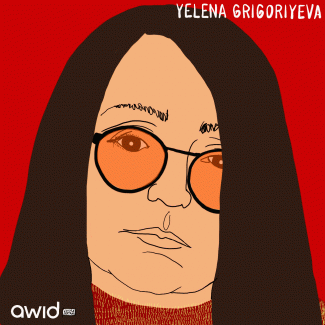
Yelena Grigoriyeva, often called Lena by friends, was a prominent LGBT rights campaigner in Russia.
She was part of democratic, anti-war and LGBT movements. In her activism, Yelena was a fierce critic of President Vladimir Putin and his administration, expressing her opposition against Russia’s annexation of Ukraine’s Crimea peninsula and the ill-treatment of prisoners.
Yelena came out as bisexual earlier in 2019.
"Her coming out was a surprise to me, and I didn't approve of it. I told her 'Listen, Lena, you already have a target painted on you because of your political activity. You've just pinned another to your chest." - Olga Smirnova
Yelena did receive multiple death threats and according to some of her acquaintances, was listed on a homophobic website that called on its visitors to hunt down LGBT persons. She reported the threats to the police, however the Russian state failed to provide protection.
But even in a society where political opposition, as well as members of the LGBT community and advocates for their rights, face continuous and increasing violence, Yelena kept campaigning for social justice and equality.
“She did not miss a single action. And they detained her so often that I already lost count,”
- Olga Smirnova (fellow opposition activist and friend).
Yelena was murdered on 21 July 2019, not far from home. A suspect was arrested but according to some sources, many friends and fellow activists believe that the suspect is a scapegoat and that this was a targeted political killing.
For Yelena’s relatives and friends, her case remains unsolved even though the suspect confessed.
In 2013, Russia passed legislation banning the spreading of what it described as ‘gay propaganda’. In 2014, Human Rights Watch published a report relating to this.
Chers mouvements féministes : Une lettre du conseil d'administration
Chers mouvements féministes,
Au nom du Conseil d’administration, je souhaite exprimer notre plus profonde gratitude, notre appréciation et tout notre respect pour Hakima Abbas et Cindy Clark, nos deux extraordinaires codirectrices exécutives ces cinq dernières années, qui quittent leurs fonctions pour laisser place à un nouveau leadership de l’AWID, alors que nous entrons dans une nouvelle phase de la vie de notre organisation avec un nouveau plan stratégique. Elles ont systématiquement mis en application les meilleurs principes de leadership organisationnel féministe et d’éthique du soin lorsqu’elles nous guidaient, lors des temps bien troubles et imprévisibles de la récente histoire du monde, cette syndémie de COVID-19 et la spirale politique mondiale descendante qui s’en est suivie. Elles ont tenu l’AWID, notre personnel et notre CA fermement, doucement et avec amour alors que nous éprouvions toutes et tous ces situations inconnues. Elles se sont également accrochées à la vision et à la mission de l’AWID lorsqu’elles ont dû, avec respect et stratégie, réagir aux différents changements, dont la difficile annulation du forum de l’AWID.
La nature, la portée et le poids des responsabilités de la direction de l’AWID nous incitent à choisir de conserver, à l’avenir, ce modèle de codirection. Notre première expérience de cette codirection a été une véritable réussite, comme tout le monde a pu le constater.
Reconnaissant tout à fait le potentiel immense qui existe au sein de l’équipe actuelle, le CA a décidé de privilégier un processus de recrutement en interne dans un premier temps. Nous pensons terminer cette transition d’ici la fin de l’année 2022. Hakima et Cindy décaleront leur départ, pour permettre une transition en douceur vers le nouveau leadership.
Il est difficile pour le Conseil d’administration et d’autres, qui ont travaillé étroitement avec elles et qui les aiment, de voir Cindy et Hakima quitter l’AWID. Rassurez-vous, le CA de l’AWID mène ce processus de transition de manière à ce que les belles marques indélébiles et inspirantes que laissent Hakima et Cindy soient inscrites dans les quatre décennies de notre histoire. Nous assurerons l’arrivée et le soutien de la nouvelle direction et veillerons à ce que ce processus nous inspire à faire mieux encore à cette étape de la vie de l’AWID.
Les grandes transformations dans les organisations ne sont jamais simples ni faciles. Elles sont parfois contraintes, hors du contrôle de quiconque, tendues, voire destructrices. J’ai vu, mais vous aussi, des exemples de telles transitions. Il arrive également que les besoins et les aspirations du personnel soient alignés avec ceux de l’organisation. Bien que nous n’ayons ni choisi ni souhaité le départ de Cindy et Hakima, leur décision et l’entrée de l’AWID dans un nouveau plan stratégique et une nouvelle décennie d’existence sont alignées. Et mieux que tout encore, nous sommes entre les mains merveilleuses, super compétentes, créatives et féministes du personnel et du CA de l’AWID.
Nous vous remercions, chers mouvements féministes, pour votre confiance dans l’AWID. Nous vous demandons également de soutenir notre transition de leadership au cours des mois à venir. Continuons à construire, approfondir et renforcer nos connexions, comme nous le faisons depuis 40 ans.
Nous reviendrons vers vous dans les prochaines semaines pour vous tenir au courant de nos mises à jour et des évolutions concrètes.
Avec solidarité et amour féministes, Margo Okazawa-Rey,
Présidente, Conseil d’administration de l’AWID
Magaly Quintana era conocida por muchxs en Nicaragua como 'La Maga'. Fue una historiadora feminista, activista y defensora inquebrantable de los derechos de las mujeres que exigía justicia para las víctimas de femicidio.
Magaly se comprometió a documentar y elaborar estadísticas sobre las mujeres y niñas que fueron asesinadas como resultado de la violencia sexual en el país.
"Ella reconstruyó la vida de cada una, de sus familias, para mostrar así las vidas que habían sido destrozadas". - Dora María Téllez
Magaly también criticó al gobierno por la reforma de la Ley 779 que trata la violencia contra las mujeres. Como resultado del arduo trabajo de los movimientos de mujeres nicaragüenses, esta ley, antes de su reforma, incluía importantes disposiciones para penalizar el femicidio. Magaly argumentó que estas reformas legislativas debilitaban la ley, y limitaban la definición de los femicidios a homicidios, invisibilizando, como resultado, los delitos violentos contra las mujeres.
La organización feminista de Magaly se fundó a principios de los ‘80. Fue la directora de Mujeres Católicas por el Derecho a Decidir, que defiende el derecho al aborto terapéutico tras su prohibición en 2006. En 2018, apoyó las protestas contra el gobierno de Daniel Ortega.
Magaly nació en mayo de 1952 y falleció en mayo de 2019.
"Hasta luego, mi querida Magaly Quintana. Muchas gracias, gracias por tu legado. Te veremos de nuevo, tan fuerte y poderosa como siempre."- Erika Guevara Rosas (Directora Americana de Amnistía Internacional).
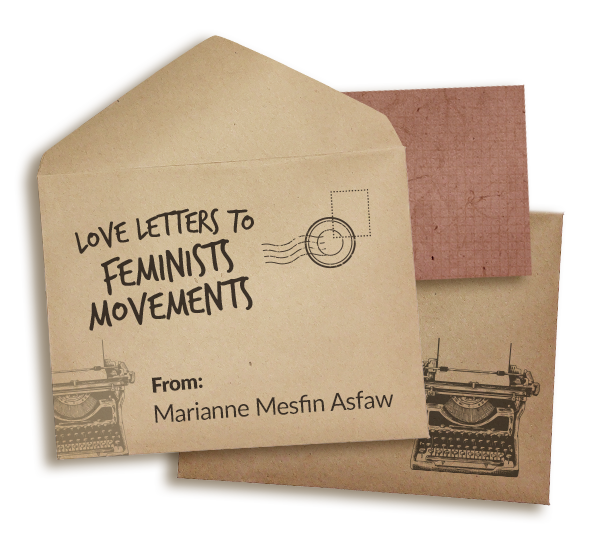
I have many fond memories in my journey with feminism, but one in particular that stands out. It was during my time at graduate school, at a lecture I attended as part of a Feminist Theory course. This lecture was on African feminism and in it the professor talked about the history of Pan Africanism and the ways in which it was patriarchal, male-centric, and how Pan Africanist scholars perpetuated the erasure of African women. She talked about how African women’s contributions to the anti-colonial and decolonial struggles on the continent are rarely, if ever, discussed and given their due credit. We read about the African feminist scholars challenging this erasure and actively unearthing these stories of African women led movements and resistance efforts. It seems so simple but what stood out to me the most was that somebody put the words African and feminist together. Better yet, that there were many more of us out there wrestling with the complicated history, politics and societal norms in the various corners of the continent and we were all using a feminist lens to do this. I came out of that lecture feeling moved and completely mind-blown. After the lecture three of my friends (all African feminists) and I spent some time debriefing outside the classroom. We were all so struck by the brilliance of the lecture and the content but, more than anything, we all felt so seen. That feeling stood out to me.
Falling in love feminism was thrilling. It felt like finally getting to talk to your longtime crush and finding out that they like you back. I call it my crush because in high school I referred to myself as a feminist but I didn’t feel like I knew enough about it. Was there a right way to be feminist? What if I wasn’t doing it right? Attending my first Women’s Studies lecture answered some of these questions for me. It was thrilling to learn about stories of feminist resistance and dismantling the patriarchy. I felt so affirmed and validated, but I also felt like something was missing.
Deepening my relationship with feminism through academia, at an institution where the students and teaching staff were mostly white meant that, for those first few years, I noticed that we rarely had discussions about how race and anti-blackness show up in mainstream feminist movements. In most courses we had maybe 1 week, or worse 1 lecture, dedicated to race and we would usually read something by bell hooks, Kimberly Crenshaw’s work on intersectionality, and maybe Patricia Hill Collins. The following week we were back to sidelining the topic. I dealt with this by centring race and black feminism in almost all my assignments, by writing about black hair and respectability politics, the hypersexualization of black women’s bodies, and so much more. Over time I realized that I was trying to fill a gap but didn’t quite know what it was.
Encountering and learning about African feminism was a full circle moment. I realized that there was so much more I had to learn.
Mainly that my Africanness and my feminist politics did not have to be separate. In fact, there was so much that they could learn from each other and there were African feminists out there already doing this work. It was the missing piece that felt so elusive during my exploration of feminism throughout my academic journey.
Feminism to me is the antithesis to social and political apathy. It also means once you adopt a feminist lens, nothing can ever be the same. My friends and I used to talk about how it was like putting on glasses that you can never take off because you now see the world for what it is, mess and all. A mess you can’t simply ignore or walk away from. Therefore my vow to the feminist movement is to never stop learning, to keep stretching the bounds of my empathy and to never live passively. To dedicate more time and space in my life to feminist movements and to continue to amplify, celebrate, document and cite the work of African feminists. I also commit to centring care and prioritizing pleasure in this feminist journey because we can’t sustain our movements without this.
El Foro es un ejemplo vivo de lo que el más grande NOSOTRXS podemos hacer. Vamos al Foro, somos semillas, luego nos sembramos. Esto lo tenemos que celebrar. - Sara Abu Ghazal, Líbano
📅 Thursday, March 13, 2025
🕒 09.30-11.30am EST
🏢 Outright International Office, 17th Floor, 216 E 45th Street, New York
🎙️AWID speaker: Inna Michaeli, Co-Executive Director
Organizer: Outright International
Film club - Films from Nuestramérica
Notre programme final du Feminist Film Club est maintenant disponible: « Films from Nuestramérica » est une série de films sur les réalités féministes d'Amérique latine et d'Amérique centrale organisée par Alejandra Laprea (Venezuela).