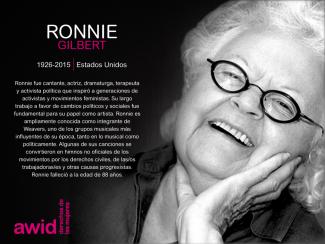
Ronnie Gilbert
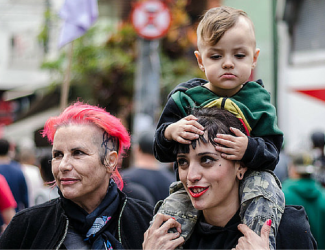
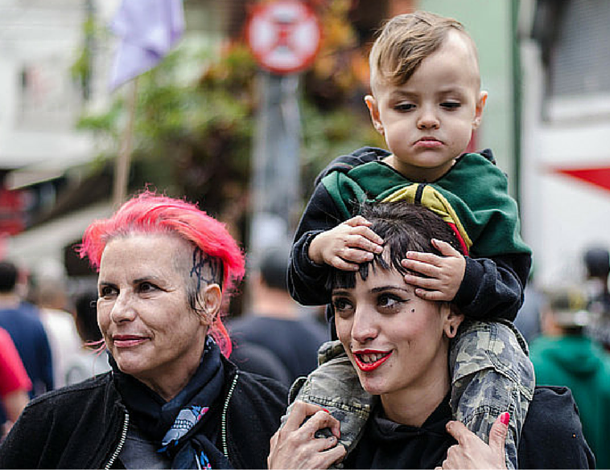
Over the past few years, a troubling new trend at the international human rights level is being observed, where discourses on ‘protecting the family’ are being employed to defend violations committed against family members, to bolster and justify impunity, and to restrict equal rights within and to family life.
The campaign to "Protect the Family" is driven by ultra-conservative efforts to impose "traditional" and patriarchal interpretations of the family, and to move rights out of the hands of family members and into the institution of ‘the family’.
Since 2014, a group of states have been operating as a bloc in human rights spaces under the name “Group of Friends of the Family”, and resolutions on “Protection of the Family” have been successfully passed every year since 2014.
This agenda has spread beyond the Human Rights Council. We have seen regressive language on “the family” being introduced at the Commission on the Status of Women, and attempts made to introduce it in negotiations on the Sustainable Development Goals.
AWID works with partners and allies to jointly resist “Protection of the Family” and other regressive agendas, and to uphold the universality of human rights.
In response to the increased influence of regressive actors in human rights spaces, AWID joined allies to form the Observatory on the Universality of Rights (OURs). OURs is a collaborative project that monitors, analyzes, and shares information on anti-rights initiatives like “Protection of the Family”.
Rights at Risk, the first OURs report, charts a map of the actors making up the global anti-rights lobby, identifies their key discourses and strategies, and the effect they are having on our human rights.
The report outlines “Protection of the Family” as an agenda that has fostered collaboration across a broad range of regressive actors at the UN. It describes it as: “a strategic framework that houses “multiple patriarchal and anti-rights positions, where the framework, in turn, aims to justify and institutionalize these positions.”

« Je veux jouir tellement fort que ça réveillera mes ancêtres, qui se joindront à la lutte. »

El Foro Internacional de AWID es una reunión de 2.000 líderes de derechos de las mujeres y activistas de todo el mundo. El Foro AWID es el evento recurrente más grande de su tipo, y cada Foro tiene lugar en un país diferente en el Sur global.
El Foro Internacional de AWID es un evento de la comunidad global y, al mismo tiempo, un espacio para una transformación personal radical. Es un encuentro único: el Foro reúne a los movimientos feministas, por los derechos de las mujeres, por la justicia de género, LBTQI+ y aliados, en toda nuestra diversidad y humanidad, para conectarnos, sanar y florecer.
Únete a nosotrxs en Bangkok, Tailandia, y de manera virtual, en diciembre de 2024.
La Conférence de Monterrey sur le financement du développement a marqué le début des discussions sur les questions relatives au financement du développement.
Pour en savoir plus sur les six axes de Monterrey et sur les mécanismes de suivi de la conférence : Gender Issues and Concerns in Financing for Development (en anglais), par Maria Floro, Nilufer Çagatay, John Willoughby et Korkut Ertürk (INSTRAW, 2004).
جديد
كمشارك/ة عبر الإنترنت، يمكنك توجيه النشاطات والتواصل والتحدث مع الآخرين/ الأخريات وتجربة الإبداع والفن والاحتفال بمنتدى جمعية حقوق المرأة في التنمية بشكل مباشر. سيستمتع المشاركون/ات المتصلون/ات عبر الإنترنت ببرنامج غني ومتنوع، بدءًا من ورشات العمل والنقاشات وحتى نشاطات الاستشفاء والعروض الموسيقية. ستركز بعض الأنشطة على التواصل بين المشاركين/ات عبر الإنترنت، وسيكون البعض الآخر هجينًا بالفعل، يركز على الاتصال والتفاعل بين المشاركين/ات عبر الإنترنت وأولئك الموجودين/ات في بانكوك.
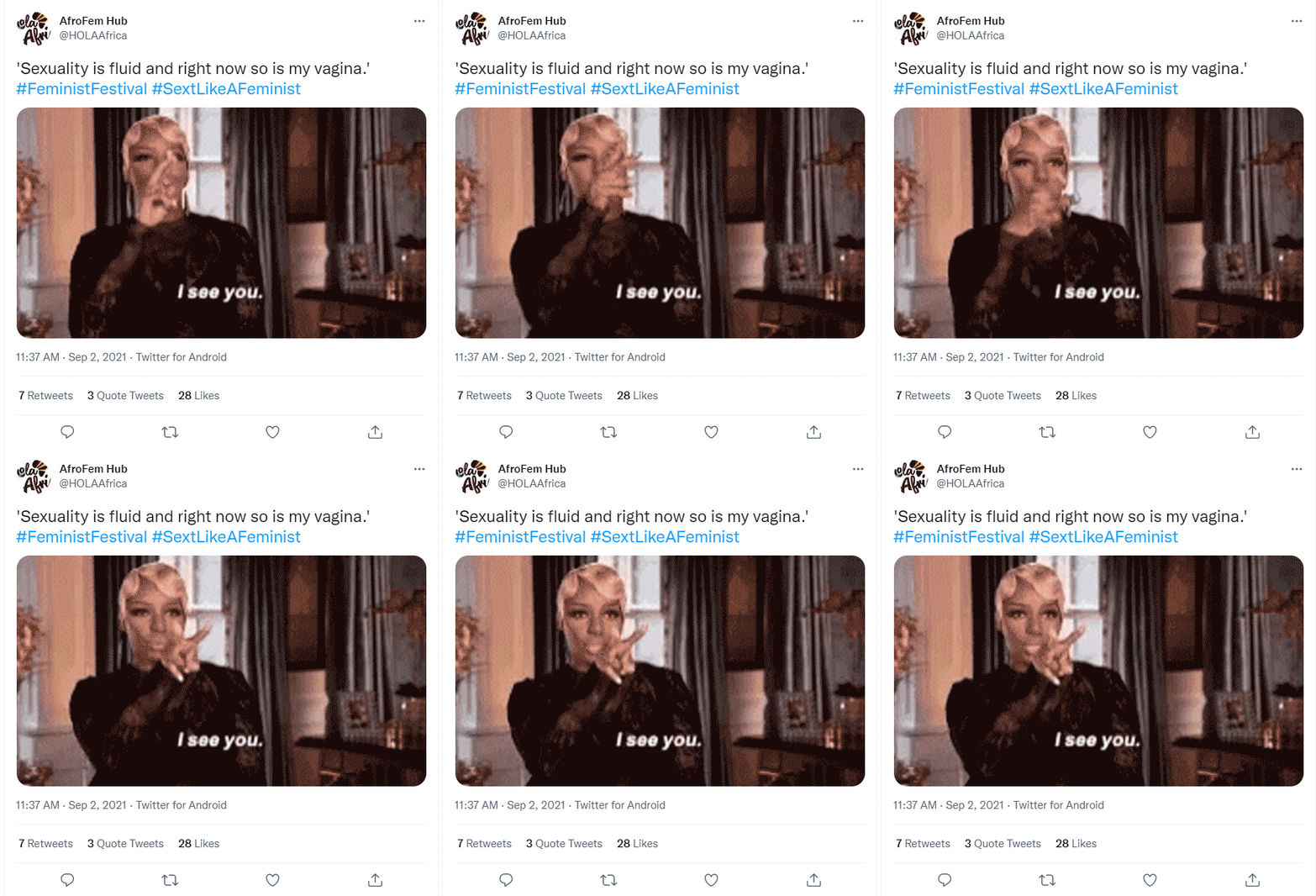
‘La sexualidad es fluida y en este momento mi vagina también’
#FeministFestival #SextLikeAFeminist
.
We encourage you to use the material in support of your advocacy!
The theme of the Fourth High-level Dialogue on Financing for Development, 23-24 March 2010: The Monterrey Consensus and Doha Declaration on Financing for Development: status of implementation and tasks ahead. It had four round tables on: the reform of the international monetary and financial systems; impact of the financial crisis on foreign direct investments; international trade and private flows; and the role of financial and technical development cooperation, including innovative sources of development finance, in leveraging the mobilization of domestic and international financial resources for development.
There was also the informal interactive dialogue involving various stakeholders that focused on the link between financing for development and achieving the Millennium Development Goals.

Manal Tamimi est une activiste palestinienne et une défenseuse des droits humains. Mère de quatre enfants, elle est titulaire d’une maîtrise en droit international humanitaire. Son activisme lui a valu d’être arrêtée trois fois et d’être blessée à plusieurs reprises, notamment avec des balles explosives réelles qui sont interdites sur le plan international. Sa famille est elle aussi prise pour cible : ses enfants ont été arrêtés et blessés à balles réelles plus d’une fois. Le dernier incident dont elle a été victime était une tentative d’assassinat contre son fils Muhammad, qui a reçu une balle dans la poitrine, près du cœur, quelques semaines après sa libération des prisons d’occupation où il avait passé deux ans. Sa philosophie de vie : « si on va me faire payer parce que je suis palestinienne et non parce que j’ai commis un crime, je refuse de mourir en silence ».