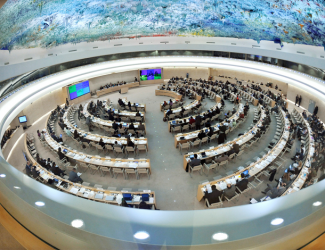
The Human Rights Council (HRC) is the key intergovernmental body within the United Nations system responsible for the promotion and protection of all human rights around the globe. It holds three regular sessions a year: in March, June and September. The Office of the UN High Commissioner for Human Rights (OHCHR) is the secretariat for the HRC.
The HRC works by:
Debating and passing resolutions on global human rights issues and human rights situations in particular countries
Examining complaints from victims of human rights violations or activist organizations on behalf of victims of human rights violations
Appointing independent experts (known as “Special Procedures”) to review human rights violations in specific countries and examine and further global human rights issues
Engaging in discussions with experts and governments on human rights issues
Assessing the human rights records of all UN Member States every four and a half years through the Universal Periodic Review
AWID works with feminist, progressive and human rights partners to share key knowledge, convene civil society dialogues and events, and influence negotiations and outcomes of the session.
With our partners, our work will:
◾️ Monitor, track and analyze anti-rights actors, discourses and strategies and their impact on resolutions
Наша группа, организация и/или движение не получали и не мобилизовывали финансирование от внешних спонсоров – можем ли мы принять участие в опросе?
Да! Мы признаем и ценим различные причины, по которым феминистки(-ты), работающие в различных контекстах, не имеют внешнего финансирования. Эти причины могут разниться: от невозможности подавать заявки на гранты из-за несоответствия требованиями и/или невозможности получения денег из-за рубежа, до использования генерируемых автономно ресурсов, в качестве самостоятельной политической стратегии. Мы хотим услышать ваше мнение, независимо от наличия или отсутствия у вас опыта работы с внешним финансированием.
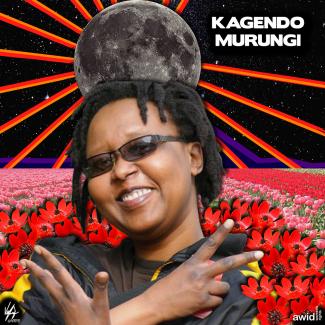
Kagendo is remembered fondly by family and friends as a fierce African feminist activist, artist, and filmmaker.
She dedicated over 20 years to advocate for the rights and dignity of African LGBTIQ and gender non conforming people.
Kagendo’s colleagues remember her as someone with a jovial personality, fierce conviction, and love for life. Kagendo died due to natural causes at her home in Harlem on December 27th, 2017.
On Kagendo’s passing Kenyan writer and activist Shailja Patel noted “Kagendo's lifelong commitment to connecting the dots between all oppressions, showing how colonialism fostered homophobia on the African continent, making Kenya a country where queer Kenyans and free women could live and thrive.”
Carta de amor a los movimientos feministas #5
Feministas sudanesas: «Una revolución dentro de la revolución»
«Mientras estaba en la primera línea de la protesta, fui sometida a violencia sexual, a lesiones físicas y a otras formas de violencia. Pero no me detendré hasta que logremos pleno gobierno civil en Sudán. Debemos impedir la militarización del Estado. Nuestros cuerpos no deben seguir siendo tratados como campos de batalla»
Durante los últimos cuatro años, las mujeres lideraron la revolución en Sudán. Su liderazgo no fue solo callejero, sino que constituyó el poder que impulsó la resistencia constante en todos los niveles. Las mujeres y las jóvenes feministas se convirtieron en la conciencia alerta del movimiento de cambio y democratización sudanés. Desde la primera protesta del 13 de diciembre de 2018 contra el régimen anterior, en la ciudad de Aldmazein, en el área de conflicto del Nilo Azul, las jóvenes estudiantes fueron las voces que demandaron el fin de la dictadura de los militares y los Hermanos Musulmanes, que ya lleva treinta años en el poder.
El movimiento feminista, liderado por mujeres de entre 16 y 35 años, ha entablado una revolución dentro de la revolución en Sudán durante los últimos cuatro años de lucha ininterrumpida. Las potentes voces de las jóvenes que ocupan espacios en las calles, las redes sociales, la sociedad civil y las organizaciones políticas se elevaron lo suficiente como para reconfigurar la opinión pública y desafiar las normas sociales. Por primera vez en la historia de Sudán, las discusiones sobre violencia sexual y de género y sobre los tabúes de la violencia doméstica y los procesos de toma de decisiones dominados por los hombres se convirtieron en debates generalizados. Los equipos de fútbol de mujeres designaron voceras ante los comités de resistencia, y los sindicatos profesionales liderados por mujeres son parte de la expresión de la nueva ola del movimiento feminista de Sudán. El logro más importante es que las jóvenes se identifican como feministas en forma orgullosa y pública, en un país regido por el fundamentalismo islámico durante tres décadas. Los jóvenes varones que apoyan el activismo feminista -y se identifican como feministas- son otra señal de progreso notable.
Bajo el actual régimen del golpe militar, las jóvenes que lideran estas iniciativas y los grupos de mujeres que trabajan en el territorio no pueden mencionarse aquí debido a varios problemas de seguridad. Pero su resiliencia, su fuerza y su valentía serán incluidas en los libros de historia. Las audaces jóvenes que encabezan la resistencia en las calles y detrás de las pantallas, y que trabajan en diferentes profesiones y áreas de activismo están dando forma al futuro de Sudán. Las jóvenes feministas de Sudán están creando nuevos espacios para que las narrativas y los discursos feministas reestructuren la distribución del poder a nivel político, económico y social.
A pesar de la inmensa violencia, del resurgimiento del islamismo fundamentalista, de la militarización y de la reducción de los espacios cívicos, las activistas feministas de Sudán se mantienen arraigadas en su sororidad. Siguen siendo una gran inspiración para los movimientos feministas de todo el mundo.
Nazik Awad
1 «Amal» es un seudónimo utilizado para proteger a la joven activista citada. 2 Desde 2018, Sudán vive en una revolución constante. Una nueva ola opositora arrancó a partir del golpe militar del 25 de octubre de 2021.
Por enquanto, o inquérito no KOBO está disponível em árabe, inglês, francês, português, russo e espanhol. Terá a oportunidade de selecionar um dos idiomas no início do inquérito.
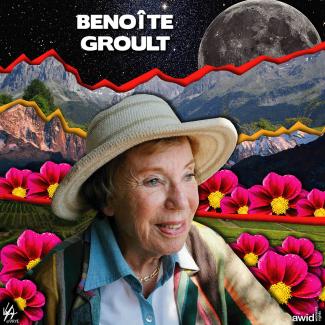
Benoîte fue una periodista, escritora y activista feminista francesa.
Benoîte publicó más de 20 novelas y numerosos ensayos sobre feminismo.
En 1975 se publicó su primer libro, Ainsi Soit-Elle (que podría traducirse «Como ella es»). En él analizaba la historia de los derechos de las mujeres, así como la misoginia y la violencia contra las mujeres.
En su último libro, Ainsi Soit Olympe de Gouges, analizaba los derechos de las mujeres durante la Revolución Francesa, centrándose en la pionera feminista francesa. Olympe de Gouges fue guillotinada en 1793 por desafiar la autoridad masculina; dos años antes había publicado una declaración sobre los derechos de las mujeres («Déclaration Des droits de la Femme et de la Citoyenne»).
2024 Forum Announcement
It’s time for the next AWID Forum in 2024!
When thousands of feminists come together, we create a sweeping force of solidarity that has the power to change the world. The AWID Forum will be a moment for us to rest and heal together, connect across borders, and discover brave new strategic directions.
The date and location will be announced next year, as soon as we can. We’re excited and we know you’re excited too. Stay tuned!
Encuentra y crea conexiones. AWID cuenta con más de 9000 afiliadxs, todxs dedicadxs a abordar cuestiones complementarias e interconectadas. En esta diversidad se apoya la sostenibilidad de los movimientos y actorxs feministas.
هل عليّ القيام بأي تجهيزات قبل تعبئة الاستطلاع؟
يركّز استطلاع "أين المال" على وقائع التمويل للتنظيمات النسوية، تسأل أغلبية الأسئلة عن تمويل مجموعتكم/ن بين الأعوام 2021-2023. سوف تحتاجون أن تكون لديكم/ن معلومات معيّنة عند تعبئة الاستطلاع مثل ميزانيتكم/ن السنوية ومصادر التمويل الأساسية.
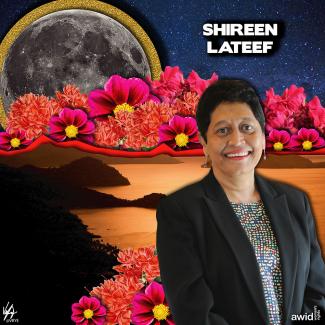
Figure inspirante pour de nombreux-ses féministes aux Fidji, Shireen était une alliée de poids du mouvement des femmes. Elle a plaidé sans relâche pour l'égalité de genre aux niveaux local et régional.
Ayant débuté sa carrière en tant que spécialiste de l’égalité de genre à la Banque asiatique de développement, elle a apporté des changements radicaux en matière d’égalité de genre aux politiques de l’institution. Sa recherche, intitulée « La règle des Danda : la violence domestique chez les Indo-Fidjiens », est l'une des premières recherches sur la violence domestique, le mariage et les femmes aux Fidji. Ce travail précurseur a servi de catalyseur pour la militance féministe dans ce domaine.
L’héritage de Shireen lui survit et beaucoup se souviennent de son influence, de son engagement et de son soutien au mouvement des femmes aux Fidji et dans le Pacifique.
Tres botes, un caballo y un taxi: feministas del Pacífico en los Foros AWID
Esta historia es sobre la manera en que un grupo cada vez más diverso de feministas del Pacífico se organizaron a lo largo de los años para asistir a los Foros de AWID, y el modo en que ese proceso lxs transformó en forma personal, como organizaciones y como movimiento a través de lo que aprendieron, descubrieron y experimentaron. Ilustra la importancia de los Foros como espacio que permitió que una región que tiende a ser marginada o ignorada a nivel global pueda construir una presencia sólida en el movimiento feminista, que luego es replicada en otros espacios internacionales de derechos de las mujeres.
nous prenons position en solidarité les un·e·s avec les autres ainsi qu’avec différentes luttes en défense de la justice et des libertés. Nous nous efforçons de mobiliser et renforcer l’action collective et de pratiquer des méthodes significatives de collaboration.
Вы просите указать название группы/организации и/или движения и контактную информацию – почему?
Мы запрашиваем эти данные, чтобы облегчить просмотр ответов, избежать дублирования и иметь возможность связаться с вашей организацией в случае, если вы не смогли завершить опрос и/или если у вас возникли сомнения или дополнительные вопросы. Здесь вы можете узнать больше о том, как мы используем личную информацию, которую собираем в ходе нашей работы.
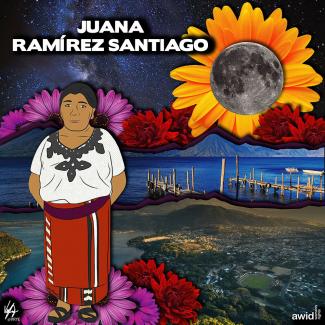
Juana was one of the founders and current Board Member of Red de Mujeres Ixiles de Nebaj, an Indigenous women’s rights organization that is a member of the Mesoamerican Initiative of WHRDs (IM-Defensoras).
She was also a midwife and a mother of 7 children. Juana had received death threats that were reported to the Prosecutor’s office. Juana is the third Indigenous WHRD murdered in the area during 2018. The Guatemala Ombudsman reports that a total of 20 HRDs were killed in the country this year.
Juana Ramírez Santiago was shot dead by unidentified attackers while crossing a bridge in Nebak, Quiché, Guatemala. Investigations to identify the perpetrators are ongoing.